
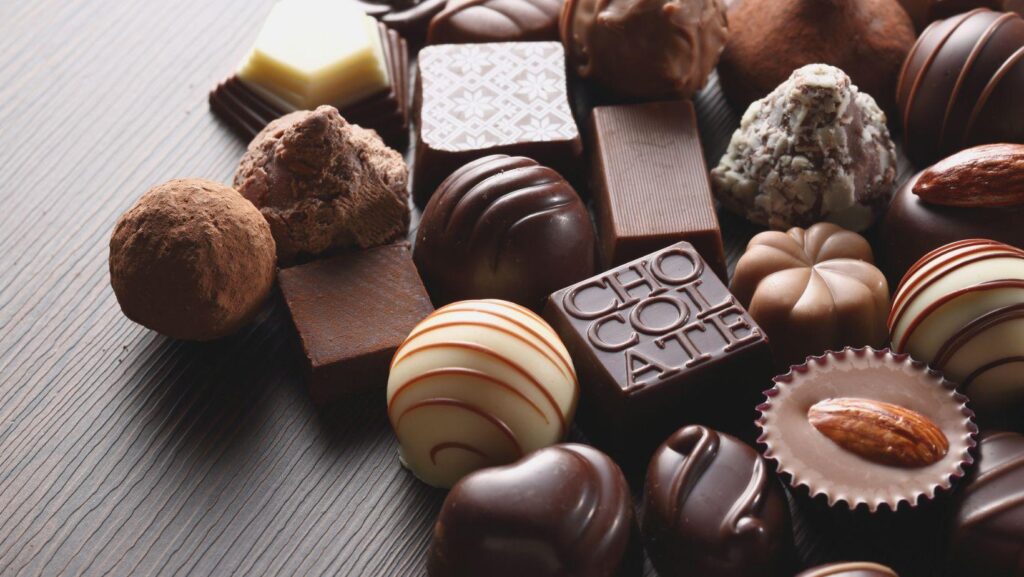
The phrase “premium chocolate” gets thrown around so loosely it has lost most of its meaning. A $4 bar at a gas station can carry the word. So can a $28 bar wrapped in hand-printed paper from a chocolatier in Brooklyn. The label tells you almost nothing.
What matters is what is inside, where it came from, and how it was treated between the tree and the wrapper. The differences show up in ingredient lists, in fat content, in the smell when the bar snaps. Some of them are worth caring about. Some are theater.
The cacao itself does most of the work
The single biggest factor in finished quality is the bean. Most of the world’s cocoa supply (somewhere around 85 percent, depending on who is counting) is bulk cacao, mostly Forastero varieties grown in West Africa for industrial buyers. It is hardy. It yields well. It tastes, more or less, like generic chocolate, which is fine if generic chocolate is what you want.
The rest is fine flavor cacao, a category the International Cocoa Organization recognizes that includes Criollo, Trinitario, and certain Nacional varieties. These beans grow in smaller volumes in Venezuela, Madagascar, Ecuador, Peru, Vietnam, and a scattered handful of other places. They carry distinct flavor notes the way wine grapes do: red fruit, citrus, tobacco, honey, sometimes something almost like aged cheese. A 70 percent dark bar made from Madagascar Trinitario tastes nothing like a 70 percent bar made from Tanzanian beans, even though the number on the label is the same.
Serious makers now list origin the way coffee lists farm and altitude. A bar whose ingredient panel just says “cocoa” is almost certainly using blended bulk beans tuned for consistency.
Ingredient lists tell on themselves
Flip a good bar over and the list should be short. Cacao, sugar, cocoa butter, maybe a small amount of soy or sunflower lecithin, maybe vanilla. A milk bar adds milk powder or milk crumb. A white bar drops the cocoa solids but keeps the cocoa butter.
The things to watch for are vegetable fats other than cocoa butter (palm oil, palm kernel oil, shea), PGPR (an emulsifier that lets manufacturers use less cocoa butter), and artificial vanillin standing in for vanilla. None of this is dangerous. It just means somebody made a cost decision. Cocoa butter is by far the most expensive ingredient in a chocolate bar, and shaving it down is the standard industrial move.
The European Union allows up to 5 percent non-cocoa vegetable fat in products still labeled chocolate, a rule that triggered a years-long fight when it passed in 2000. Plenty of high-end chocolatiers refuse the allowance and stick to 100 percent cocoa butter, which they will mention on the packaging if you give them half a chance.
Conching, tempering, and the boring industrial details that matter
Rodolphe Lindt invented the conche in 1879 in Bern, and the machine still draws the line between gritty chocolate and chocolate that melts cleanly. Conching agitates and aerates the mass for hours, sometimes days, breaking particles down and driving off volatile acids that would otherwise read as sour or sharp on the tongue. Cheap chocolate conches for four to six hours. The bars people get evangelical about often conche for two or three days.
Tempering is the other technical hurdle, and it is where a lot of small operations stumble. Cocoa butter can crystallize into six different polymorphic forms, and only one of them (Form V) gives you the glossy surface and clean snap you want. A poorly tempered bar looks dull, develops a chalky white bloom on the surface, and crumbles instead of snapping. Doing this by hand at any kind of scale is genuinely hard, which is part of why bonbons cost what they cost.
The bean-to-bar movement that took off in the late 2000s dragged all of this into the open. Makers like Dandelion in San Francisco, Soma in Toronto, and Pump Street in the UK publish their roast curves and conche times the way breweries publish IBUs. Some of this is useful information. Some of it is sport.
What “luxury” actually buys beyond the chocolate
Once the chocolate is good, the luxury tier competes on inclusions, design, and the experience of opening the box. This is where chocolatiers part ways with pure chocolate makers. A maker produces chocolate from beans. A chocolatier buys finished couverture (or makes their own) and turns it into truffles, bonbons, filled bars, assortments.
The Los Angeles chocolatier Compartes, founded in 1950 and known for its art-directed packaging and unusual flavor combinations like olive oil and sea salt or California Cabernet, sits firmly in the second category. So do Maison Pierre Marcolini in Brussels and La Maison du Chocolat in Paris. The work is closer to pastry than agriculture. Flavor development, ganache stability, shelf life: engineering problems.
This is where most shoppers actually meet luxury chocolate, because a beautifully boxed assortment is easier to give than a single-origin bar that needs a paragraph of explanation. The packaging is doing real work, and it is not just psychological flattery. A 2019 study in Food Quality and Preference found that packaging design measurably shifted how intense identical chocolate samples tasted to people in blind versus sighted tastings. Which is either fascinating or depressing depending on how you feel about being manipulated by a cardboard box.
How to taste chocolate without being precious about it
The industry has borrowed heavily from wine and coffee tasting protocols, sometimes to the point of self-parody. The basic version is still useful. Let the bar come up to around 68 degrees. Break a piece and listen for the snap. Smell it. Put it on your tongue and let it melt rather than chewing. Wait for the finish.
A clean melt with no waxy residue is a good sign. So is a flavor that changes over the course of 30 to 60 seconds instead of going flat after the first bite. The finish should not turn bitter or chalky. Acidity is fine, often welcome in single-origin dark chocolate. Astringency that grips the back of the throat usually points to underdeveloped beans or rushed processing.
The best chocolate does not announce itself. It unfolds, slowly, and then it lingers. A bar that hits hard with sugar and roasted-nut flavor on the first bite and vanishes after that is doing the chocolate equivalent of a cheap perfume top note.
A note on price and what is reasonable
A bean-to-bar tablet from a respected maker generally runs $8 to $15 for a 60 to 70 gram bar. A box of filled bonbons from a serious chocolatier lands somewhere between $30 and $80 depending on count. Above that, you are paying for branding, packaging materials, or genuine rarity: single-estate harvests, aged bars, limited collaborations.
The pricing has actual logic behind it. Fine flavor cacao costs two to four times what bulk cacao costs on the commodity market, and that is before the labor-intensive small-batch processing on top. So a finished premium bar ends up roughly ten times more expensive than industrial chocolate, which tracks with what people actually pay at the register.
A useful test when shopping the premium tier: the brands worth the money can answer specific questions about origin, percentage, processing, and inclusions without sliding into marketing language. If the answer is a story about a founder’s grandmother and nothing about the beans, that is information too.