
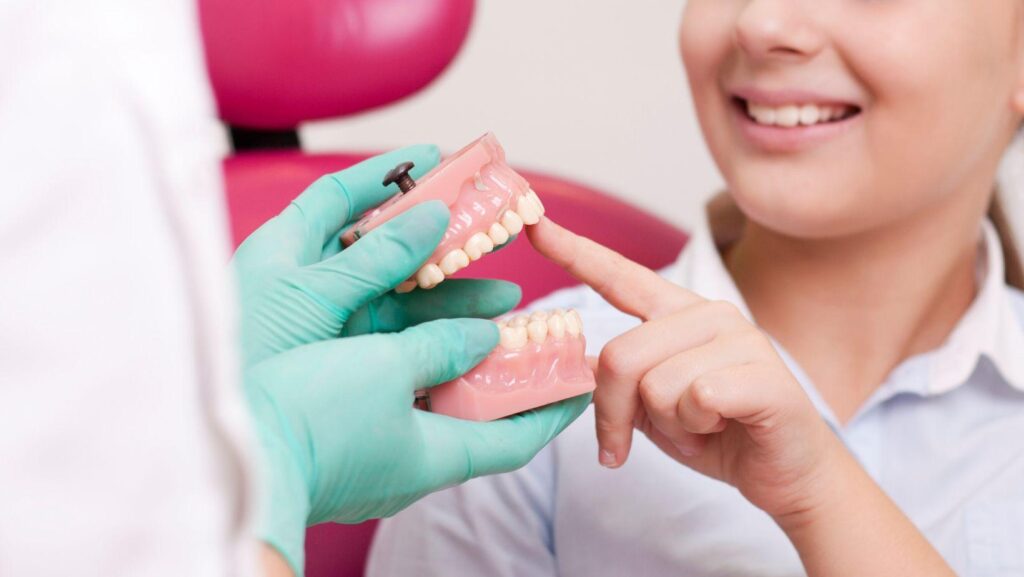
A good smile is the first thing that gets noticed when you meet someone. Having a good smile is not just a blessing but important to have many aspects of your wellbeing on track. When a person has a compromised smile, not only the social confidence but even the health of that person gets compromised.
A lost or a missing tooth can affect much more than the aesthetic of your smile. It can make daily chores like eating and speaking difficult.
Fortunately, we are living in 2026, and there are multiple options available with us today to replace the missing teeth with the artificial teeth and gain back the lost aesthtics and functions as well.
What Are Artificial Teeth?
Artificial teeth are dental restorations or replacements of the original teeth. They are designed to restore the appearance and function of your smile and also restore the dentition functionality.
Artificial teeth may be permanent or removable as per the patient’s requirement. Let’s understand more about artificial teeth.
Why Do People Need Artificial Teeth?
Missing teeth can occur for many reasons.
|
Cause |
Explanation |
|
Tooth decay and cavities |
Severe cavities may require extraction. |
|
Gum disease |
Advanced periodontal disease can loosen teeth and leads to falling of teeth |
|
Injury or accident |
Trauma can cause tooth loss. |
|
Congenital conditions |
Some people are born without certain teeth. |
|
Aging |
Teeth may become weak over time. |
Types of Artificial Teeth
There are multiple options and types of artificial teeth, and dentist suggest these options to the patients to choose the best for their case, lifestyle, and budget. The following are the various types of artificial teeth and their indications along with their price.
|
Type |
Best For |
Lifespan |
Removable |
|
Dental Implants |
Single or multiple missing teeth |
20+ years |
No |
|
Dental Bridges |
One or more missing teeth |
10–15 years |
No |
|
Complete Dentures |
Missing all teeth |
5–10 years |
Yes |
|
Partial Dentures |
Missing several teeth |
5–10 years |
Yes |
|
Implant-Supported Dentures |
Full-mouth replacement |
15–20 years |
Sometimes |
Dental Implants
Dental implants are considered the gold standard for replacing missing teeth.
A titanium implant is placed inside the jawbone and topped with a custom-made dental crown.
Benefits
- Looks like a natural tooth
- Preserves jawbone
- Comfortable
- Long-lasting
- Easy to maintain
Limitations
- Higher initial cost
- Requires surgery
- Healing time of several months
Dental Bridges
A dental bridge fills the gap created by one or more missing teeth.
It is supported by adjacent natural teeth or implants.
Benefits
- Fixed solution
- Faster treatment
- Natural appearance
Limitations
- Healthy adjacent teeth may need reshaping
- Does not prevent bone loss
Dentures
Dentures remain a popular option for replacing multiple missing teeth.
Modern dentures are lighter, more comfortable, and more natural-looking than ever before.
Types
|
Denture Type |
Description |
|
Complete Dentures |
Replace all teeth in one arch. |
|
Partial Dentures |
Replace several missing teeth while natural teeth remain. |
|
Flexible Dentures |
Made from flexible materials for greater comfort. |
|
Implant-Supported Dentures |
Attached securely to implants for better stability. |
Artificial Teeth Materials
Different materials are used depending on the restoration.
|
Material |
Common Use |
Advantages |
|
Zirconia |
Crowns, bridges |
Strong, aesthetic, metal-free |
|
Porcelain |
Crowns |
Excellent appearance |
|
Acrylic |
Dentures |
Affordable and lightweight |
|
Composite Resin |
Temporary restorations |
Economical |
Artificial Teeth Cost Comparison
Costs vary depending on the treatment, materials, and individual case.
|
Treatment |
Relative Cost |
|
Partial Denture |
Low |
|
Complete Denture |
Moderate |
|
Dental Bridge |
Moderate to High |
|
Dental Implant |
High |
|
Implant-Supported Denture |
Higher |
Remember that the most affordable option may not always provide the best long-term value.
Benefits of Replacing Missing Teeth
Replacing missing teeth offers more than cosmetic improvements.
|
Benefit |
Why It Matters |
|
Better chewing |
Enjoy a wider variety of foods. |
|
Clear speech |
Missing teeth can affect pronunciation. |
|
Improved confidence |
Smile without hesitation. |
|
Prevents shifting |
Adjacent teeth stay in position. |
|
Supports facial structure |
Helps prevent a sunken appearance. |
|
Better oral health |
Makes cleaning easier and reduces complications. |
How to Choose the Right Artificial Teeth
Your dentist will consider several factors before recommending treatment.
|
Factor |
Questions to Consider |
|
Number of missing teeth |
One tooth or several? |
|
Jawbone health |
Is bone grafting required? |
|
Budget |
What fits your financial plan? |
|
Lifestyle |
Do you prefer a fixed or removable option? |
|
Oral hygiene |
Can you maintain the restoration properly? |
Caring for Artificial Teeth
- Proper care helps your artificial teeth last longer.
- Daily Care Tips
- Brush twice a day.
- Clean around implants and bridges carefully.
- Remove dentures at night unless advised otherwise.
- Soak removable dentures in a cleaning solution.
- Visit your dentist every six months.
- Avoid chewing extremely hard objects.
When Should You Replace a Missing Tooth?
Delaying treatment can lead to shifting teeth, bone loss, bite problems, and difficulty chewing.
The sooner a missing tooth is replaced, the easier it is to preserve your oral health.
Final Thoughts
Mouth is the mirror of the systemic health, if any important of mouth or dentition is missing, it is definitely going to cause a certain amount of loss for the general health. Missing teeth needs more attention than it is thought to be. In any situation, dentist is the main point of contact to decide the best option for you.