
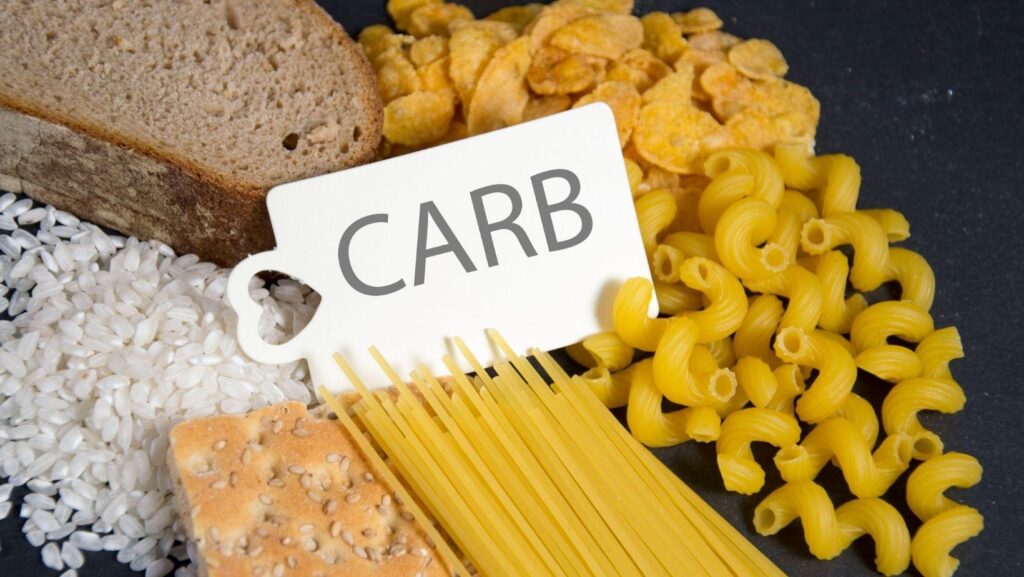
Carb cravings catch a lot of people off guard. You follow a clean eating plan for days, feel genuinely in control, and then at 3pm or after dinner, the pull toward bread, pasta, or something sweet becomes almost impossible to ignore. Most people chalk it up to a lack of willpower, but the physiology tells a more specific story.
The craving is real, it is biologically driven, and in most cases it is a signal worth decoding rather than simply overriding.
The Hunger Hormones Behind Carb Cravings
Two hormones do most of the work when it comes to appetite and cravings: ghrelin and leptin. Ghrelin is produced in the stomach and rises when you are hungry, sending signals to the brain that prompt you to seek food. Leptin is produced by fat cells and signals fullness to the hypothalamus, telling the brain that energy stores are sufficient.
When this system is working well, the hormones counterbalance each other. When it is disrupted, whether through poor sleep, chronic stress, restrictive eating, or blood sugar instability, ghrelin can stay elevated longer than it should, and leptin signaling can become dulled. The result is persistent hunger that tends to gravitate toward quick-energy foods, which for most people means carbohydrates.
Carbs, particularly refined ones, trigger a fast release of glucose and a corresponding dopamine response. The brain learns this pattern quickly and starts to anticipate the reward, which is part of why cravings can feel more like urges than simple hunger.
What Specifically Triggers the Craving
Understanding the trigger is more useful than fighting the craving in the moment. Common drivers include:
- Blood sugar crashes. When blood sugar drops sharply after a meal, the body calls for fast fuel. This tends to happen after meals high in refined carbs that spike and then drop glucose quickly, creating a cycle.
- Poor sleep. Even one night of poor sleep raises ghrelin and lowers leptin measurably. A study published in the Annals of Internal Medicine found that sleep-restricted subjects had significantly higher hunger and appetite for calorie-dense foods.
- Stress and cortisol. Cortisol, the primary stress hormone, directly stimulates appetite and has a particular pull toward high-carbohydrate foods. This is why stress eating rarely looks like reaching for vegetables.
- Serotonin dips. Carbohydrates increase the availability of tryptophan, the precursor to serotonin. When serotonin levels are low, the brain may drive cravings toward carbs as a self-regulation mechanism, which is part of why mood and appetite are so closely linked.
- Undereating overall. Caloric restriction, particularly protein and fat restriction, leaves the body undersupplied. It will push for the fastest available fuel source, which is carbohydrates, often intensely.
Why Willpower Is Usually the Wrong Tool
The conventional advice to just resist is rarely effective long-term because it treats cravings as a character issue rather than a physiological one. Relying on willpower to override a hormonal signal is a short-term strategy at best. The signal will return, often stronger, once cortisol rises from the stress of resisting it.
A more effective approach addresses the underlying drivers. Stabilizing blood sugar through balanced meals with adequate protein and fat, prioritizing sleep, managing stress, and in some cases working with practitioners who focus on appetite regulation at a physiological level tend to produce more sustainable results than white-knuckling through cravings.
Some people also find value in approaches that work through the nervous system rather than diet alone. Practices like acupressure, breathwork, and stress reduction techniques influence cortisol and appetite hormones in ways that support the body rather than fighting against it.
Practical Steps That Actually Help
These strategies address craving triggers at the source rather than at the moment of craving:
- Eat protein and fat at breakfast. Starting the day with protein and fat instead of carbohydrates stabilizes blood sugar through the morning and significantly reduces mid-afternoon cravings.
- Eat before you are very hungry. Ghrelin spikes sharply when hunger builds past a certain point. Eating at moderate hunger rather than intense hunger gives you better decision-making and less of a pull toward fast-energy foods.
- Address sleep as a priority. Treating sleep as a health behavior, not just a recovery function, has a direct effect on appetite hormones within days.
- Reduce refined carbs rather than all carbs. Whole food carbohydrates like root vegetables, legumes, and whole grains produce a slower glucose response and are far less likely to trigger the spike-and-crash cycle that drives cravings.
- Consider professional support. For people who have struggled with cravings for a long time despite good dietary habits, working with a specialist in natural appetite regulation can uncover hormonal or structural factors worth addressing. Practices like Sadkhin Therapy use auriculotherapy and acupressure to help regulate the body’s hunger signals as part of a broader natural weight management approach.
When Cravings Signal Something More
Persistent, intense carb cravings that do not respond to dietary changes are sometimes a sign of something worth investigating: insulin resistance, thyroid dysfunction, adrenal fatigue, or gut microbiome imbalances can all contribute to appetite dysregulation. A basic blood panel and a conversation with a healthcare provider can rule out or identify these factors.
The relationship between gut bacteria and carbohydrate cravings is also an active area of research. Certain strains of gut bacteria preferentially consume simple sugars and may influence cravings by producing signals that prompt the host to eat more of what feeds them. Supporting a diverse microbiome through fiber-rich whole foods is both low risk and well-supported by research.
The Key Takeaway
Carb cravings carry information. They point to blood sugar patterns, sleep quality, stress load, and hormonal balance. Treating them as a message worth understanding rather than a weakness to overcome is a more useful frame, and it tends to lead to more effective action.
The body is not working against you when cravings arise. It is making a request based on the information it has. Giving it better information, through balanced nutrition, quality sleep, stress support, and in some cases professional guidance, is how most people find lasting relief from the cycle.