
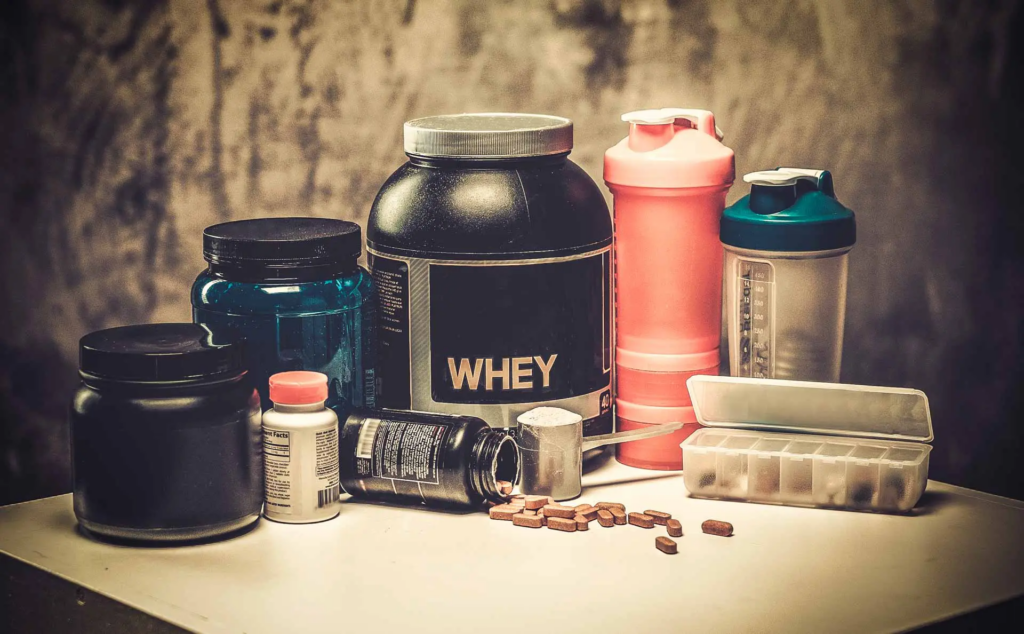
You buy a supplement expecting results. Six weeks later, nothing has changed. You assume the ingredient does not work for you. But the real problem is usually the supplement itself, not the ingredient.
Quality separates supplements that deliver results from supplements that deliver empty promises. There are specific markers you can check before buying that predict whether a supplement will actually work.
8 Key Points to Check Before You Buy Any Supplement
1. Third-party testing certification
2. Manufacturing facility standards
3. Raw ingredient sourcing
4. Label accuracy testing
5. Packaging quality and integrity
6. Shelf-life stability data
7. Brand transparency
8. Track record and recalls
Let us walk through each one.
1. Third-Party Testing Certification
If the label says 500mg, is there actually 500mg in the bottle? Only third-party testing answers this. NSF Certified for Sport, USP Verified, or Informed Choice certification means an independent lab verified what is on the label is actually in the supplement.
Without this, you are guessing. Cheap manufacturers underfill because full-dose ingredients cost money. You think you are taking 500mg but you are taking 350mg. Results never happen.
How to verify: Look for certification logos on the label. Email the brand and ask for test results. Legitimate brands provide them within 24 hours.
2. Manufacturing Facility Standards
GMP certification shows the facility follows standards. But not all GMP is equal. NSF GMP and cGMP are strict. These facilities undergo annual audits. They document every production step. They prevent cross-contamination. They maintain consistency.
Cheap manufacturing creates problems. Cross-contamination between products. Inconsistent mixing. Foreign materials in batches. These destroy efficacy and safety. Premium facilities eliminate these problems through documented procedures.
How to verify: Ask the brand for the manufacturing facility name. Search for audit reports. If they cannot name the facility or provide audits, manufacturing is uncontrolled.
3. Raw Ingredient Sourcing
Vitamin C from pharmaceutical synthesis is different from botanical extract. Magnesium glycinate is different from magnesium oxide. The source determines absorption, effectiveness, and results.
Cheap manufacturers use the lowest-cost ingredient form available. Low absorption means lower results even at label dosage. Premium brands specify ingredient source because they understand effectiveness depends on raw material quality.
How to verify: Look for specific ingredient sourcing on the label. Not just “magnesium” but “magnesium glycinate from pharmaceutical supplier X.” Email and ask for Certificate of Analysis on raw ingredients.
4. Label Accuracy Testing
Does the supplement contain what the label claims? Premium manufacturers test for accuracy at manufacture and verify stability over shelf life. They account for natural degradation. A 500mg supplement is formulated at 520mg to hit 500mg six months later.
Cheap manufacturers skip this. Your supplement hits label claim today but falls to 60% potency in four months. You pay for results that never come because the product degrades.
How to verify: Ask the brand for label accuracy test results and shelf-life stability data. Legitimate brands have this documentation.
5. Packaging Quality: Why Plastic Is Outdated
The container determines whether your supplement stays potent. Light degrades most vitamins. Moisture causes breakdown. Oxygen causes oxidation. Poor packaging accelerates all of these.
Plastic bottles are cheap but indefensible for premium supplements. Clear plastic provides zero light protection. Thin plastic walls allow oxygen and moisture permeation. Your supplement degrades from day one on the shelf. You buy something at full potency and it loses 40% efficacy in six weeks sitting in your cabinet.
Premium supplements are shifting away from plastic. Amber glass bottles block light. Opaque containers protect light-sensitive ingredients. But the most effective modern option is sustainable paper tubes packaging with proper moisture barriers and light protection. Brands like those using certified cardboard tube packaging are solving the degradation problem entirely.
Why? Because the packaging itself becomes part of the quality promise. When a supplement brand invests in premium ingredients and third-party testing but then puts them in clear plastic, they waste that investment. The container determines efficacy. Premium brands protect their investment with premium packaging.
How to verify: What is the package made from? Is it sealed and tamper-evident? Does it protect against light and moisture? Clear plastic bottles are a sign the manufacturer prioritises cost over efficacy.
6. Shelf-Life Stability Data
Most supplements degrade over time. Vitamin C oxidises. Fat-soluble vitamins break down. Amino acids lose potency. The question is whether the manufacturer tested for this and accounted for it.
Legitimate manufacturers test products at manufacture and at expiration. They verify potency persists throughout shelf life. Cheap manufacturers do not test. They hope customers use supplements before degradation becomes obvious.
How to verify: Ask for shelf-life stability test results. Also check the expiration date. If it is more than three years away on a naturally degrading vitamin, they have not tested accurately.
7. Brand Transparency
Transparency indicates confidence. Brands proud of their standards publish them. They can tell you exactly which facility made the product. Which supplier provided each ingredient. What testing they conducted.
Vague marketing about “quality” without specifics is a red flag. Ask these questions directly:
– What is the exact name and location of your manufacturing facility?
– Can you provide third-party audit reports?
– Who are your ingredient suppliers?
– What shelf-life stability testing have you conducted?
– Can you provide Certificate of Analysis for raw ingredients?
Transparent companies answer specifically and quickly. Non-transparent companies give vague responses or avoid answering.
8. Track Record and Recalls
Search the FDA supplement recall database. Check for the brand name and manufacturer. Zero recalls or transparent, precautionary recalls indicate controlled manufacturing. Multiple undisclosed recalls signal systemic problems.
Also check how the brand responded to issues. Did they immediately notify customers and provide refunds? Or did they minimise the problem? Responsible brands take problems seriously.
Results Come From Quality
You cannot get results from a degraded supplement. You cannot get results from underfilled dosages. You cannot get results from poor quality ingredients.
Check these eight factors before you buy. The supplement that passes all eight will deliver results. The supplement that fails multiple factors will deliver disappointment.
Your investment in supplementation only pays off if the supplement itself is legitimate. Check quality before you buy.