
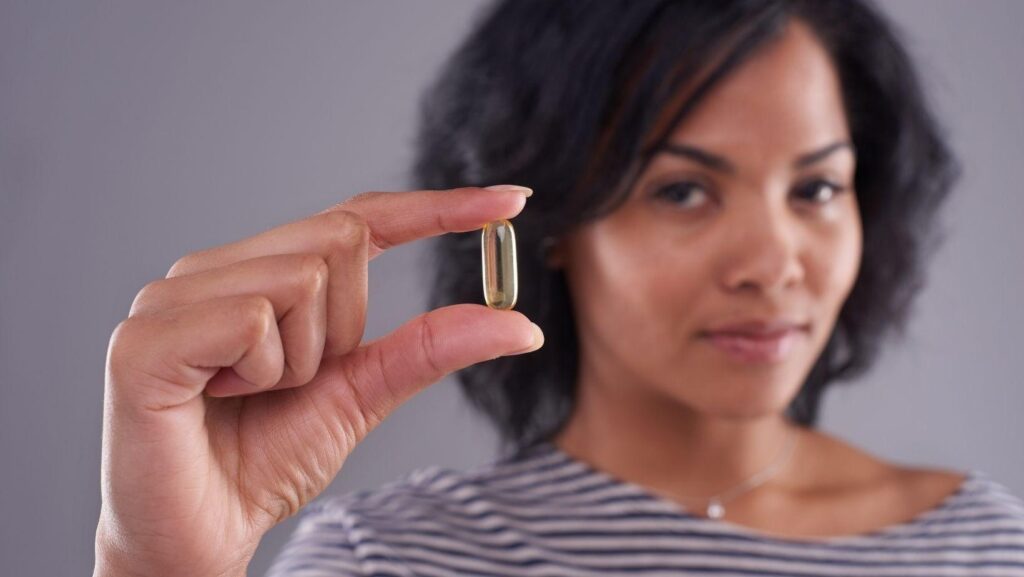
If you’ve ever wondered whether there’s a female version of Viagra, you’re not alone, and you’re not asking a silly question. For decades, men have had a well-known pill for sexual health, while women’s sexual struggles were often dismissed, ignored, or chalked up to stress. That’s finally starting to change, and it matters for every woman rebuilding her life on her own terms, including single moms navigating dating, self-care, and everything in between.
The Short Answer: Not Exactly
Here’s the important nuance: there isn’t a direct “female Viagra” in the sense most people imagine. Viagra works by increasing blood flow, which helps men achieve and maintain an erection, a physical, mechanical process. Women’s sexual response doesn’t work the same way, and low desire in women is rarely just a plumbing issue.
What does exist is a medication called flibanserin, sold under the brand name Addyi, which is often nicknamed the “female Viagra” in headlines even though the comparison is a bit misleading. Rather than affecting blood flow, flibanserin works on brain chemistry, targeting neurotransmitters like dopamine, serotonin, and norepinephrine that play a role in sexual desire. It’s the first and, so far, only FDA-approved daily medication designed specifically to treat low sexual desire in women.
Understanding Low Libido in Women
Low libido in women is far more common than most people realize, and far more complicated than a single pill can fix. Unlike erectile dysfunction, which usually has a clear physical trigger, low libido tends to be tangled up with multiple factors at once. A few of the most common contributors include:
For women navigating single motherhood, divorce, or dating again, some of these factors show up in particularly intense ways. Chronic exhaustion, the emotional aftermath of a breakup, body image changes, or simply not having had time to think about desire in years can all contribute to a libido that’s gone quiet.
According to Addyi’s resource on low libido in women, the condition is formally recognized in cases where a woman experiences a persistent, distressing lack of sexual desire, not explained by another medical condition, a medication side effect, or an unresolved relationship problem. When that describes a woman’s experience, it’s classified as hypoactive sexual desire disorder (HSDD), which is what medications like flibanserin are actually designed to treat.
Why the “Female Viagra” Label Misses the Point
Calling flibanserin the female version of Viagra is catchy, but it can actually create confusion. Viagra treats a physical performance issue in men who already want to have sex but can’t. Flibanserin, by contrast, is aimed at restoring the desire itself, the “wanting,” not the mechanics. That distinction matters because it reflects a bigger truth: female sexuality isn’t simply the mirror image of male sexuality, and treating it as such does women a disservice.
This is also why flibanserin isn’t a quick fix taken right before sex. It’s a daily pill, and any benefits build gradually, a very different experience from how Viagra is used.
What This Means If You’re Struggling With Low Desire
If you’ve noticed your desire has quietly disappeared, the most useful first step isn’t Googling “female Viagra”, it’s talking to a doctor. Low libido can stem from so many overlapping causes that a proper conversation, and sometimes bloodwork or a medication review, is far more useful than guessing.
For some women, addressing sleep, stress, or an underlying health issue resolves the problem. For others, especially those who meet the clinical criteria for HSDD, a doctor may discuss options including medication. Either way, it’s a legitimate health conversation, not something to feel embarrassed about or push aside because life is already full.
The Bigger Picture
The rising interest in a “female version of Viagra” says less about a pill and more about a long-overdue shift: women are finally being encouraged to treat their sexual health as seriously as any other part of their wellbeing. For single moms, women are often used to putting everyone else’s needs first, that permission to ask questions and seek real answers is worth paying attention to.