
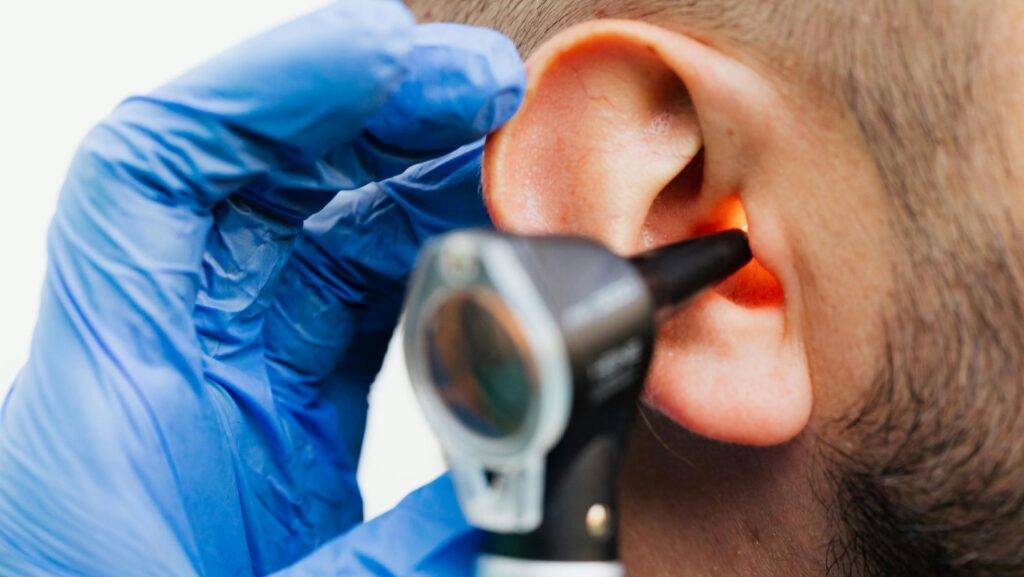
Have you ever woken up in the middle of the night feeling like someone stuck a red-hot needle into your ear? Usually, we wait until the very last moment: we use drops a neighbor recommended, warm it with salt, or simply hope that “it will ease by morning”. But the ear is too delicate an engineering system to take such risks. Where is the fine line between a common cold that you can manage at home and a condition that requires immediate medical attention? Let’s find out which warning signs of your body should never be ignored.
When You Shouldn’t Tolerate Pain Any Longer: Direct Threats
The ear may ache, “shoot”, or the pain may spread to the temple. But there are situations when the body is literally crying for help, and painkillers are only a temporary disguise. If you notice that the pain doesn’t subside for more than three days or increases so rapidly that you can’t focus on work or even conversation—that’s a red flag. It becomes especially dangerous when the pain is accompanied by the feeling that there’s something stuck inside, even though you definitely haven’t put anything there. This may indicate swelling of the inner tissues, which blocks the ear canal and creates ideal conditions for bacteria to multiply in a closed space.
What’s Leaking Out and Why the Sound Disappears?
Sometimes ear pain takes a back seat, replaced by visual or functional changes that are much more alarming than the pain itself. If you’ve looked in the mirror or touched your ear and noticed something unusual, it’s a sure sign that home treatment has reached its limit.
Pay attention to these critical symptoms:
- Unusual discharge. We’re not talking about ordinary earwax. If you see pus, clear liquid, or—worse—blood stains on your pillow, it could indicate a perforated eardrum or a severe infection.
- Sudden hearing loss. The sensation that you’re underwater or that someone turned the volume to minimum often points to fluid accumulation behind the eardrum or damage to the auditory nerve.
- Changes in color or shape. Redness of the skin around the ear or swelling behind it (mastoiditis) signals a direct risk of the infection spreading to the skull bone.
Such symptoms never go away on their own, and “home remedies” can make you a candidate for surgery. Don’t wait until your hearing disappears completely—restoring it is much harder than preserving it.
Not Just the Ear: When the Whole Body Reacts
Sometimes the ear is just the epicenter of an explosion, and the shockwave hits the whole body, knocking you off your feet quite literally. These are the most insidious cases because people may treat migraines or high blood pressure, not realizing that the real source of the problem hides in the ear canal.
A high fever (over 38°C / 100.4°F) that’s hard to bring down, combined with ear pain, is a classic sign of acute otitis media that requires antibiotic therapy. But even more dangerous is when the infection affects the vestibular system. Then the world starts spinning before your eyes, and even walking to the kitchen becomes a test worthy of an astronaut.
Neurological Reactions: Dizziness and Facial Asymmetry
When the inflammatory process goes beyond the local area, it can affect nearby nerve endings, causing real chaos in how the body functions. This is no longer mere discomfort—it’s a genuine threat to your nervous system, and you need to act immediately to avoid irreversible consequences for your facial movement and coordination.
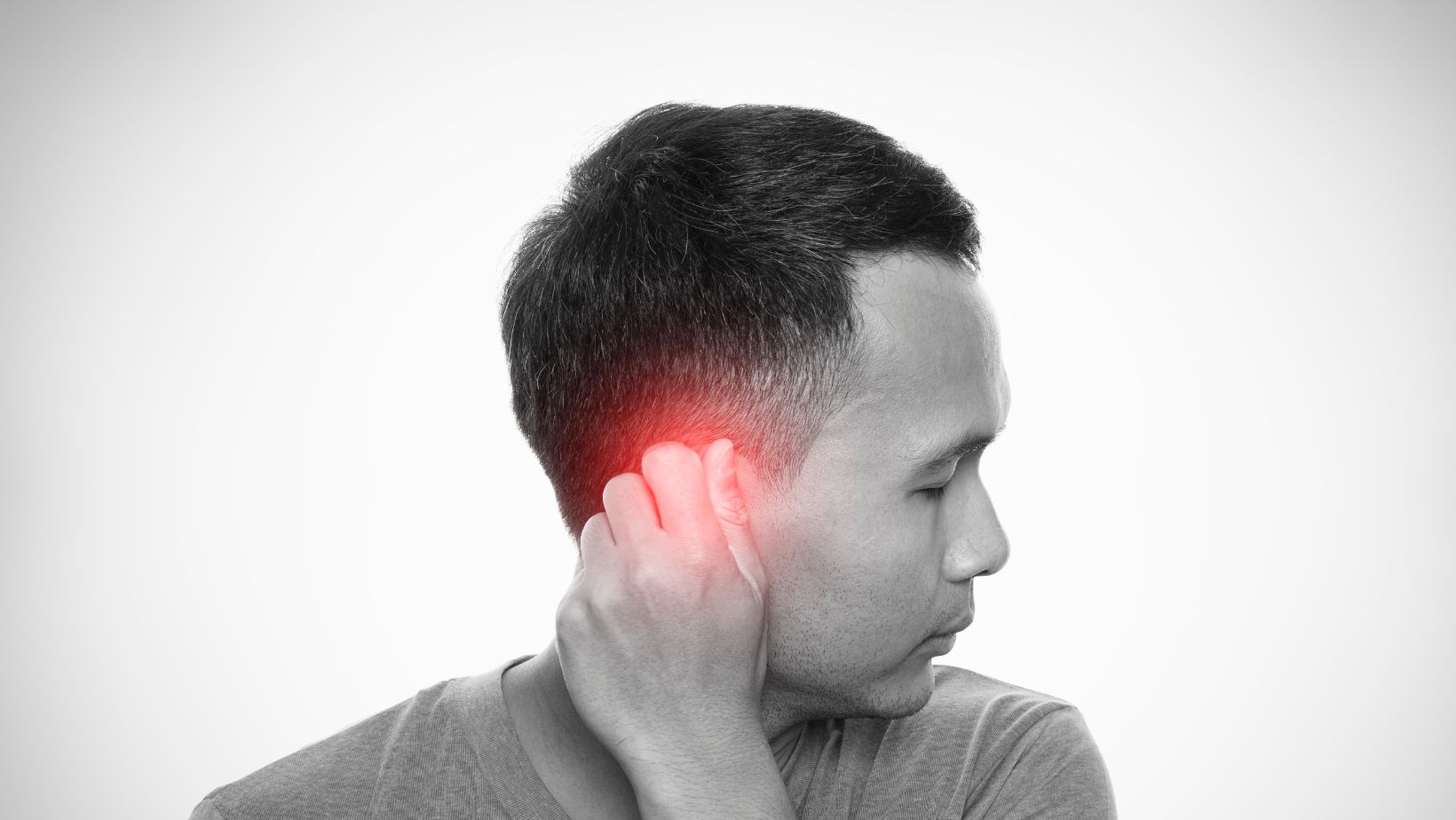
Here are the alarming companions of ear pain that require an urgent visit to North Fulton ENT:
- Facial numbness. If you feel that the corner of your mouth is drooping or the skin on your cheek has lost sensitivity on the side of the affected ear, this may indicate facial nerve involvement.
- Severe dizziness and nausea. This suggests that inflammation has reached the inner ear (labyrinth), which is responsible for your balance.
- Noise or ringing. Persistent humming, whistling, or clicking sounds that don’t disappear in silence may be early signs of sensorineural hearing loss.
These symptoms mean the process is out of control, and home remedies are powerless. Ignoring such “special effects” can leave you with a permanently crooked smile and a constant ringing in your head.
Remember: your hearing is a gift! Your hearing is a gift that can be lost easily through simple negligence. Pain is not the enemy—it’s a siren warning of danger. Don’t try to be a hero and endure it until the last moment. It’s far better to visit an ENT “for nothing” and find out it’s just a wax plug than to miss a serious infection. Take care of your ears—you’ll still need them to hear the pleasant things in life.