

Let me start with a small confession: I used to think “wellness routines” were for people who have their lives together. You know the type—matching water bottle, perfect sleep schedule, calm nervous system. Meanwhile I was out here eating dinner at 10 p.m., doom-scrolling, and telling myself I’d “start fresh on Monday” (a lie I told weekly).
AI chats didn’t magically fix my life. But they did become a surprisingly useful tool—like having a low-pressure coach, journaling buddy, and idea generator in my pocket. And if you use an AI image generator too, you can turn motivation and calming practices into something visual and emotional, not just “tips you read and forget.”
Below are human, practical ways to use AI chat + AI images to support physical health habits and emotional wellbeing—without pretending it replaces doctors, therapy, or real relationships.
1) Use AI As A “Mood Translator” When You’re Not Sure What You Feel
A lot of stress doesn’t come from the situation—it comes from the fog. You’re irritable, tired, distracted… but you can’t name it, so you can’t handle it.
How to use AI chat:
Tell it what’s happening in plain language and ask it to reflect back what it hears.
Example from real life:
“I’m snapping at everyone today. I slept 6 hours. I had too much coffee. I feel behind at work. I don’t know what I need.”
Then ask:
- “What emotions might be underneath this?”
- “What’s the simplest next step to feel 10% better in 10 minutes?”
- “Give me three options: calming, energizing, and productive.”
Sometimes the AI will say something obvious like “you’re overstimulated and under-rested,” and you’ll feel weirdly relieved—because now it’s not a mystery monster. It’s a solvable problem.
2) Build A “Good-Enough” Health Plan For Your Day (Not An Influencer’s Day
Most health advice fails because it’s too extreme. When you’re stressed, you don’t need a perfect plan—you need a plan you’ll actually do.
Try this prompt style:
- “I have 20 minutes total today. Make me a health plan that’s realistic.”
- “I’m low energy and anxious. Suggest a gentle workout and simple meal idea.”
- “Create two versions: bare minimum and ideal.”
Real-life example:
I once told an AI chat, “I feel gross and unmotivated. I want to eat better but I also want comfort food.” It suggested:
- Bare minimum: drink water, add fruit or yogurt, take a 10-minute walk.
- Ideal: a simple protein + vegetables meal, stretch, early bedtime.
I did the bare minimum—and it still helped. That’s the point.
3) Use AI For “Stress Eating Interruptions” (Without Shame)
When you’re stressed, your brain wants quick relief. Food is an easy button. The goal isn’t to become a robot—it’s to create a pause.
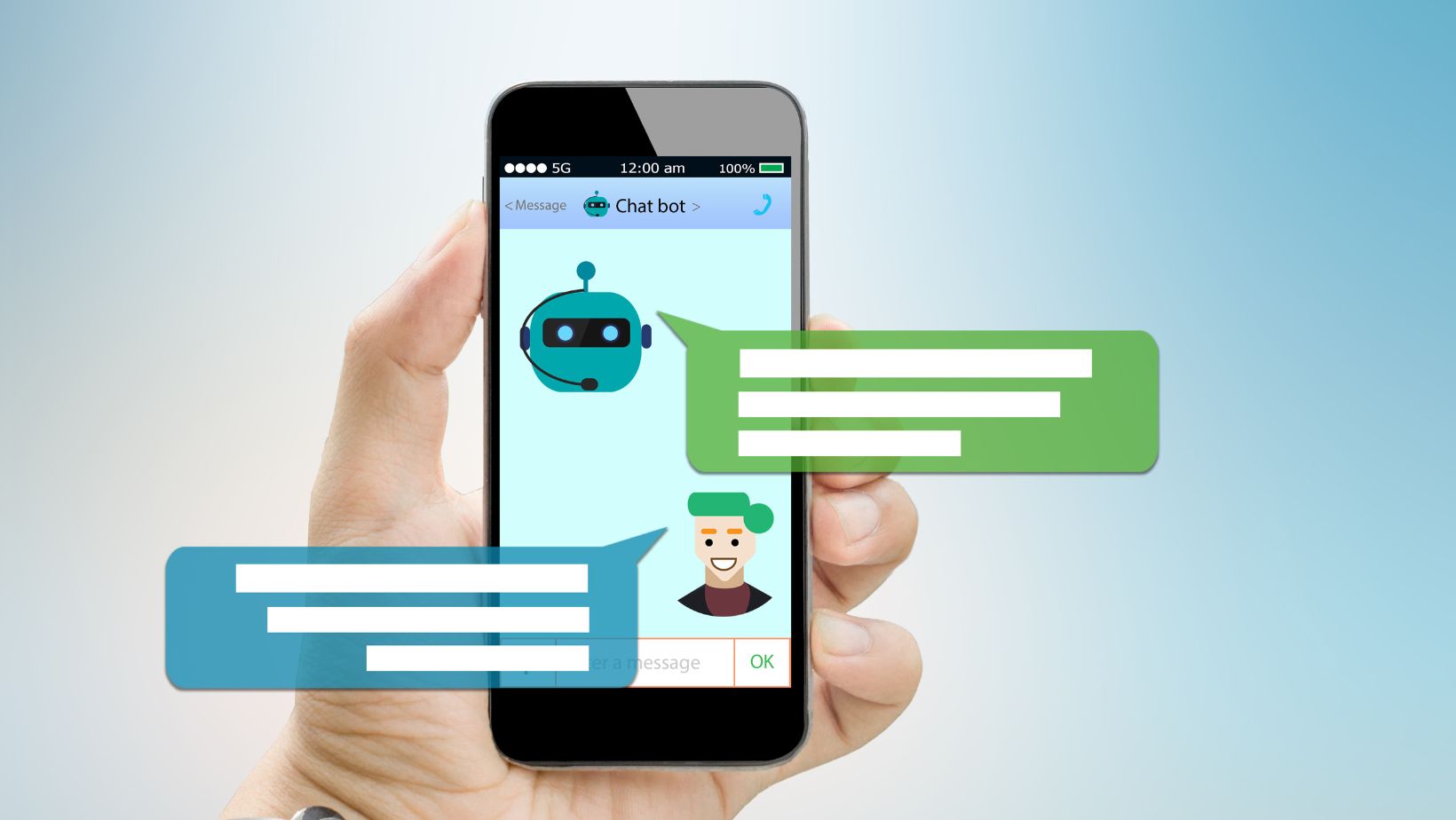
How to use AI chat like https://joi.com/generate/images:
When you feel the impulse, open the chat and type:
- “I want to snack and I’m not hungry. Talk me through a 5-minute reset.”
- “Give me a short script to interrupt stress eating without guilt.”
- “Help me identify if I’m tired, anxious, bored, or avoiding something.”
A simple tactic that works:
Ask the AI to give you two options:
- “If you still want it after 10 minutes, have it mindfully.”
- “Here’s a different comfort option (tea, shower, music, short walk).”
This reduces the all-or-nothing thinking that makes habits collapse.
4) Turn Emotional Support Into A Structured Routine (Not Endless Chatting)
AI chats can feel comforting—especially when you’re lonely or overwhelmed. But the healthiest way to use them is like a guided routine, not a never-ending escape hatch.
Try a nightly “3-part check-in”:
- “What went well today?” (even tiny)
- “What felt hard?”
- “What do I need tomorrow?”
Then ask:
- “Give me one small action for tomorrow morning.”
- “Write a compassionate reframe of my day.”
- “Help me create a bedtime wind-down plan in 15 minutes.”
Real-life example:
On nights when my brain was replaying everything I said wrong, I’d ask:
“Rewrite today like a kind friend would describe it.”
It sounds cheesy, but it breaks the loop.
5) Use An AI Image Generator To Create Visual Anchors For Calm And Motivation
Here’s where AI images are surprisingly powerful: mood is emotional, not logical. For people who don’t want to generate visuals from scratch, curated royalty free images from sources like Depositphotos can offer similar calming visual anchors without extra setup. A to-do list is logical. A calming image is emotional.
Use an AI image generator to make:
- A “safe place” visualization (cozy room, beach at dusk, rainy café window)
- A motivational wallpaper that matches your vibe (not aggressive gym quotes—more like gentle strength)
- A “future you” scene that feels believable (walking after work, cooking something simple, waking up rested)
Real-life example:
When I was struggling with anxiety, I generated a series of cozy, quiet images—soft lighting, warm blankets, night city rain. I used them like a mental cue: “we’re winding down now.” My nervous system started associating that visual style with calm.
Prompt ideas:
- “A warm, cozy bedroom with soft lamp light, rainy window, peaceful mood, calming tones.”
- “A quiet morning kitchen with sunlight, a simple healthy breakfast, and a serene atmosphere.”
- “A person tying sneakers by the door, gentle motivation, everyday realism.”
Then use the image as:
- phone lock screen
- a “start routine” cue (stretch + water)
- a bedtime cue (screens off soon)
It’s basically mood design.
6) Practice “Thought Detox” With CBT-Style Reframes (Without Turning It Into Therapy-Speak)
You don’t need to label it cognitive behavioral anything. You just need to catch the dramatic thoughts.
Tell the AI:
- “Here’s my thought. Is it fair or is it spiraling?”
- “Give me a more balanced version that still feels true.”
- “What would I say to a friend thinking this?”
Real-life example:
My thought: “I’m failing because I didn’t work out this week.”
Balanced reframe: “This week was heavy. One missed week doesn’t erase progress. I can do 10 minutes today.”
The goal isn’t fake positivity. It’s accurate.
7) Use AI As A Micro-Coach For Movement And Sleep (The Two Mood Multipliers)
If you do nothing else, do these two. Sleep and movement influence almost everything: stress, appetite, mood, focus.
For movement:
- “I’m tired and anxious. Give me a 10-minute low-impact routine.”
- “I sit all day. Give me a 5-minute mobility break plan.”
- “Make a walking plan for beginners that won’t overwhelm me.”
For sleep:
- “I keep scrolling at night. Create a realistic wind-down routine.”
- “Give me a script to stop work thoughts after 9 p.m.”
- “Help me set a bedtime that fits my schedule.”
Real-life example:
When I couldn’t sleep, I’d ask for a “brain dump” template:
- What’s on my mind
- What I can do tomorrow
- What I can’t control tonight
Then I’d stop negotiating with my thoughts.
A Quick, Important Note
AI chats and AI images can support your wellbeing, but they’re not medical care. If you have persistent low mood, panic symptoms, disordered eating patterns, or anything that feels unmanageable, it’s worth talking to a qualified professional. And if you feel like you might harm yourself or you’re in immediate danger, contact local emergency services right away.
A Simple Starter Routine You Can Try Tonight (15 minutes)
- Open AI chat and write: “I feel ____ today because ____.”
- Ask: “Give me one calming action for 5 minutes.”
- Do it (stretch, shower, tea, short walk, tidy one surface).
- Generate one calming image that matches the mood you want tonight.
- Set it as your visual anchor and close the loop with: “What’s one kind thing I can do for myself tomorrow morning?”