
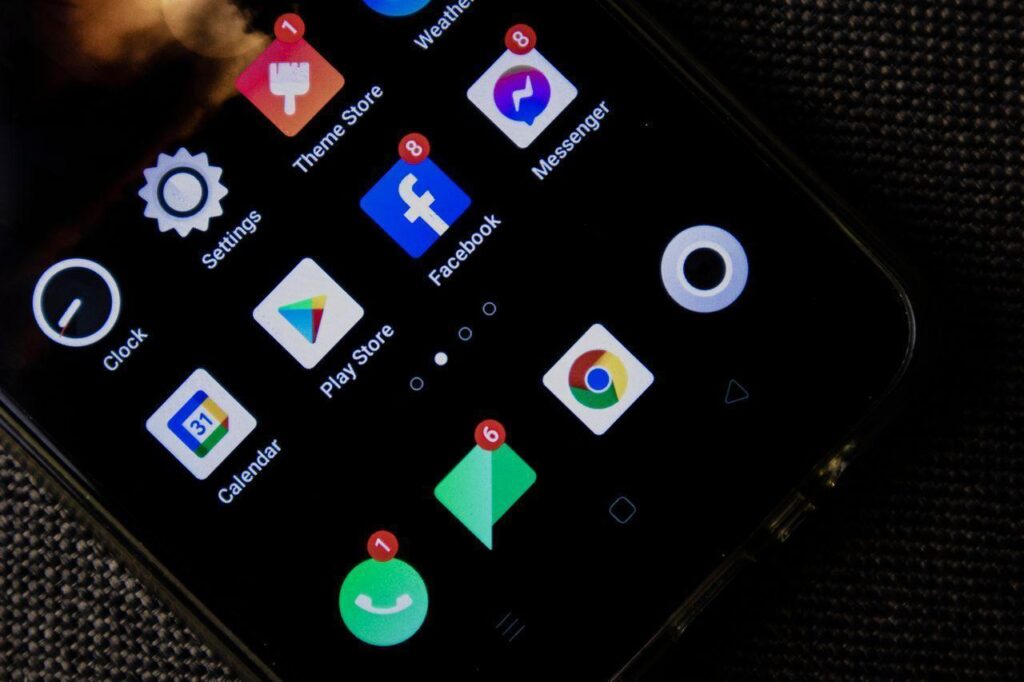
The alarm goes off, and before both eyes are fully open, a thumb is already swiping toward the lock screen. By the time coffee is poured, a dozen apps have already competed for attention. Your brain wasn’t designed for constant notifications. The gap between what it evolved to expect and what a modern phone actually delivers is bigger than most people realize. Evolution built the human brain to respond to rare, meaningful signals: a rustle in the grass, a stranger’s face, real news from real people. A phone delivers dozens of those signals an hour. The brain has no built-in filter for telling which ones actually matter.
What Is Your Brain Actually Built to Expect?
Something far less frequent and far more meaningful than what a smartphone delivers. For most of human history, attention-grabbing signals were rare enough to trust. Dopamine-driven activities shape focus and emotional balance precisely because the reward system evolved around scarcity, not constant stimulation. When a signal showed up, it usually meant something worth acting on. A notification today rarely carries that same weight. The brain still responds as though it might, every single time.
Why Does a Single Buzz Derail an Entire Train of Thought?
Because switching attention has a real cognitive cost, even when the switch only lasts a few seconds. Every time a phone buzzes, part of the brain has to evaluate the interruption before it can return to what it was doing. That evaluation happens whether or not the notification turns out to matter at all. Multiply that across dozens of buzzes a day. Sustained focus becomes something the brain has to actively fight for, rather than something that happens naturally on its own.
Why the Brain Wasn’t Designed for This Much Interruption
The mismatch runs deeper than simple distraction. Ancestral attention systems were built around a world where most moments were quiet and only a few genuinely demanded a response. A modern phone inverts that ratio entirely, delivering urgency dozens of times an hour whether or not anything urgent actually happened. This is the clearest proof that your brain wasn’t designed for constant notifications: it has no evolutionary precedent for treating that volume of signals as routine, so it keeps responding to each one as though it might matter.
What Happens When Checking Becomes Reflexive Instead of Intentional?
It stops being a choice and starts being a compulsion, and that shift carries real consequences beyond lost focus. Constant reflexive checking is closely tied to screen time and mental well-being. It shows up as anxiety, disrupted sleep, and a kind of low-grade exhaustion that doesn’t have one obvious cause. The brain never fully settles, since part of it is always braced for the next interruption. That bracing has a cost even during the quiet stretches between notifications.
Does Moderate Use Ever Actually Help Focus or Mood?
Yes, and the difference comes down to intention rather than raw hours spent on a screen. Deliberate, time-boxed use, a short game between tasks or a scheduled scroll, behaves very differently from reflexive checking. Mobile and desktop gaming can support wellness when it’s chosen on purpose. Planned engagement doesn’t carry the same constant-interruption cost that unplanned checking does, since the brain isn’t bracing for it between other tasks. The device isn’t the problem on its own. The absence of a decision about when to pick it up usually is.
When Does This Cross Into Something More Serious?
Sometimes what starts as reflexive checking escalates into something closer to compulsion. It’s worth naming honestly when that happens. A few signs stand out:
- Checking a phone within minutes of waking, before doing anything else
- Feeling irritable or anxious within an hour of being without a device
- Losing track of time so consistently that tasks and sleep both suffer
- Reaching for a screen automatically to manage boredom or stress
Reward system hijacking shares real overlap with this pattern. It’s the same mechanism studied in brain-based approaches to addiction recovery, since both involve a brain trained to expect a payoff on a schedule it can no longer ignore. Recognizing the overlap doesn’t mean every heavy phone user has a clinical problem. It does mean the same warning signs are worth taking seriously either way.
Even an Off Phone Isn’t Really Off
A 2017 study from the University of Texas at Austin found that the mere presence of a smartphone reduces available cognitive capacity. This held true even when the phone was turned off and face down on a desk. Part of the brain works to actively avoid thinking about the phone. That effort alone drains mental resources that would otherwise go toward the task at hand.
How Many Interruptions Are We Actually Talking About?
More than most people would guess if asked to estimate. According to research highlighted by Michigan Medicine, the average teen receives over 200 app notifications a day. That number alone shows why your brain wasn’t designed for constant notifications at this scale, since it leaves little room for sustained, uninterrupted attention at any point during waking hours, let alone the deep focus most tasks actually require.
Fewer Interruptions, More Actual Attention
Your brain wasn’t designed for constant notifications, and no amount of willpower fully cancels out that mismatch. What helps isn’t eliminating technology. It’s restoring intention to when and how it gets used. Turning off nonessential alerts, keeping the phone physically out of reach during focused work, and noticing when checking has become reflexive rather than deliberate all chip away at the gap between what the brain expects and what a modern day actually delivers. Start with one hour a day fully offline. Let that small window prove how much attention was quietly being lost.