
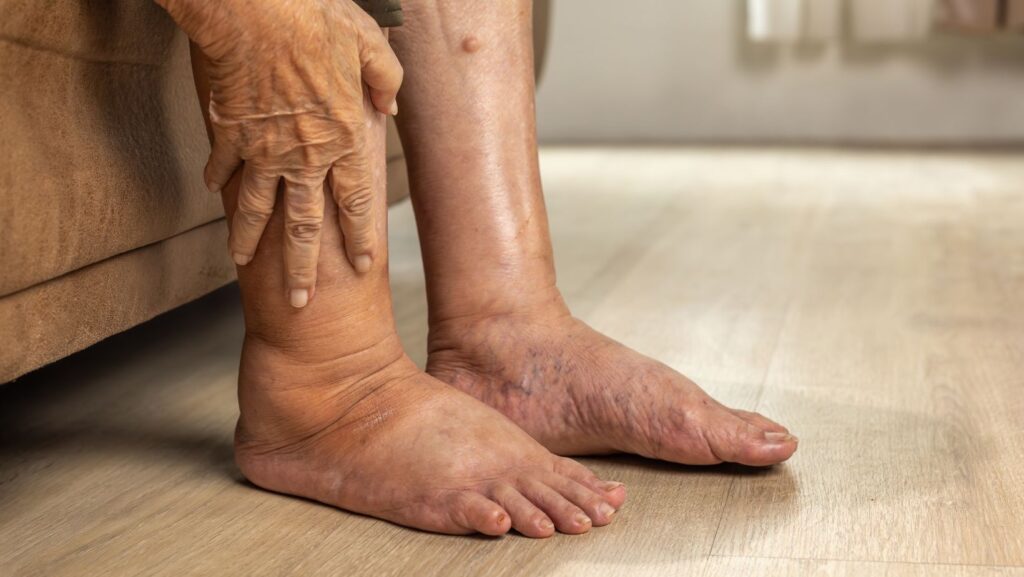
We’ve all been there. You’ve had a long day on your feet, perhaps running errands or navigating a busy shift at work, and you finally sit down to take off your shoes. Suddenly, you realize your ankles have disappeared, and your favorite sneakers feel more like vices clamping down on your toes.
Swollen feet and ankles are a common complaint. While often just a temporary annoyance caused by standing too long or hot weather, swelling (medically known as edema) can sometimes signal something more serious. It can be uncomfortable, unsightly, and frustrating. However, understanding why it happens is the first step toward finding relief.
This guide will walk you through the common causes of swollen feet and offer practical, effective solutions to help you get back on your toes comfortably.
Understanding Why Your Feet Swell
Edema happens when your body retains fluid in the lower legs, ankles, and feet. Gravity is often the primary culprit here, pulling fluids downward. But why does the fluid build up in the first place? It usually boils down to a few key factors.
Lifestyle Factors
For many people, the cause is simply a matter of daily habits. Standing or sitting for extended periods is the most common reason. When you aren’t moving, the muscles in your legs aren’t contracting. These muscle contractions are vital because they act as a pump to help push blood and fluids back up toward your heart. Without that movement, gravity wins, and fluid pools around your ankles.
Diet plays a massive role as well. Consuming too much salt forces your body to hold onto extra water to maintain a balance. If you had a particularly salty meal last night, you might wake up with puffiness the next day. Similarly, being overweight puts additional pressure on your joints and circulation, making swelling more likely.
Injury and Inflammation
If you have twisted your ankle or dropped something on your foot, swelling is your body’s natural response to injury. This inflammation rushes blood and fluid to the area to protect it and start the healing process. While helpful for healing, the resulting pressure can be painful.
Medications
Certain prescription drugs list edema as a side effect. This includes medications for high blood pressure (like calcium channel blockers), steroids, certain antidepressants, and non-steroidal anti-inflammatory drugs (NSAIDs) like ibuprofen. Estrogen (found in birth control pills or hormone replacement therapy) and certain diabetes medications can also contribute to fluid retention.
Underlying Health Conditions
Sometimes, swollen feet are a symptom of a deeper issue.
- Venous Insufficiency: This occurs when the veins in your legs have trouble sending blood back up to the heart. The valves in the veins may be damaged, allowing blood to leak backward and pool in the legs.
- Pregnancy: It is very common for pregnant women to experience swelling due to increased fluid volume and pressure from the uterus on pelvic veins. However, sudden or severe swelling can be a sign of preeclampsia, a serious condition involving high blood pressure.
- Heart, Kidney, or Liver Disease: In more severe cases, persistent swelling can indicate that these vital organs aren’t functioning correctly, leading to significant fluid accumulation throughout the body.
If your swelling is accompanied by shortness of breath, chest pain, or occurs suddenly in only one leg (which could indicate a blood clot), you should seek medical attention immediately.
Effective Solutions for Relief
If you are dealing with the discomfort of swollen feet, the good news is that there are many ways to manage and reduce the puffiness. Here are several strategies you can try at home.
Elevation is Key
It sounds simple, but it is incredibly effective. Use gravity to your advantage. When you are resting, prop your legs up on pillows. Ideally, your feet should be raised above the level of your heart.
This position helps drain the pooled fluid away from your feet and back into circulation. Try to do this for 15 to 20 minutes, three to four times a day. Even elevating them slightly while sleeping can make a difference in how your feet feel in the morning.
Get Moving
Since inactivity causes pooling, movement is the antidote. You don’t need to run a marathon; gentle exercise is often enough. Walking, swimming, or cycling gets your calf muscles pumping, which helps move blood and fluid out of your legs. If you are stuck at a desk or on a plane, make a habit of flexing your ankles, wiggling your toes, and extending your knees every hour.
Compression Therapy
Compression socks or stockings are a game-changer for many people. These socks are designed to squeeze your legs gently, with the pressure being tightest at the ankle and gradually decreasing up the leg. This graduated pressure encourages fluid to move upward rather than settling in your feet. You can buy light compression socks at a pharmacy, or your doctor might prescribe a stronger pair for chronic issues.
Adjust Your Diet
Take a close look at your salt intake. The American Heart Association recommends no more than 2,300 milligrams of sodium a day, with an ideal limit of no more than 1,500 mg for most adults. Cut back on processed foods, canned soups, and salty snacks. Instead, focus on whole foods and drink plenty of water. It seems counterintuitive to drink water when you are retaining fluid, but staying hydrated actually helps your body flush out excess salt and waste.
You might also consider increasing your magnesium intake. Magnesium deficiency can contribute to water retention. Adding magnesium-rich foods like almonds, tofu, spinach, dark chocolate, and avocados to your diet can help. Consult your doctor before taking supplements, especially if you have kidney or heart issues.
Choosing the Right Footwear
Your choice of shoes can either alleviate your suffering or make it significantly worse. When dealing with swollen feet, you need footwear that accommodates the changing size of your foot throughout the day. Look for shoes with a wide toe box to prevent cramping and adjustable closures like Velcro straps or laces that can be loosened as needed. Materials matter too; breathable, stretchy fabrics or soft leathers will mold to your foot’s shape without cutting off circulation. Avoid shoes with tight elastic bands or straps that dig into your skin, as these can create a “tourniquet effect” that traps fluid in the foot. Supportive soles with good arch support are also crucial, as they help distribute weight evenly and reduce strain on your feet. Finding the right shoes for swollen feet can make a huge difference and should not be overlooked as a primary solution.
Epsom Salt Soaks
For a relaxing remedy, soak your feet in a cool Epsom salt bath for 15 to 20 minutes. Epsom salt (magnesium sulfate) can be absorbed through the skin and may help reduce swelling and discomfort. The cool water also helps constrict blood vessels, which can reduce inflammation. Avoid hot water, as heat causes blood vessels to expand and can actually increase swelling.
Massage
Massaging your feet and legs can stimulate the lymphatic system and help move excess fluid. Use firm strokes, always moving upward from the feet toward the heart. You can do this yourself or ask a partner for help. Just be gentle if the area is painful.
When to See a Doctor
While these home remedies are effective for mild or occasional swelling, chronic edema requires professional insight. You should schedule an appointment with your healthcare provider if:
- Home remedies fail to reduce the swelling.
- The swelling is getting progressively worse.
- You have a history of heart, kidney, or liver disease.
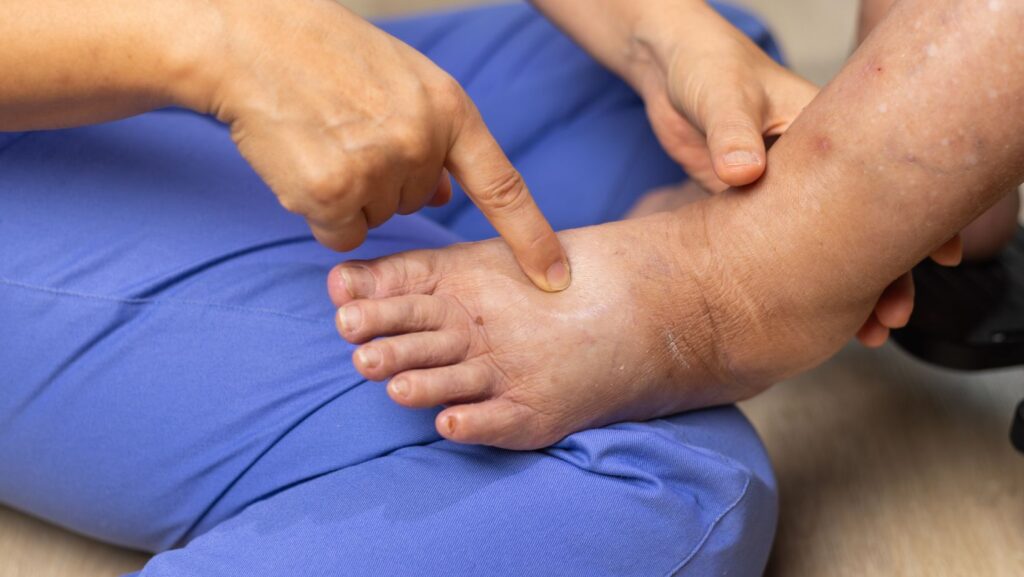
- The skin over the swollen area looks shiny or stretched.
- You press on the swollen area and it leaves a dimple (pitting edema).
Your doctor can review your medical history, check your medications, and run tests to rule out serious underlying conditions.
Final Thoughts
Dealing with swollen feet is often a balancing act between lifestyle adjustments and smart self-care. By understanding the causes—whether it’s that extra bag of chips, a long flight, or a medication side effect—you can take control. Prioritize comfortable shoes, keep moving, and don’t hesitate to put your feet up at the end of the day. Your feet carry you through life; they deserve a little extra attention and care.