
Weight loss can feel overwhelming, especially with the abundance of conflicting advice available today. Many people struggle to find an approach that is both effective and sustainable. Successful weight loss requires more than occasional workouts or short-term dieting. It involves a balanced combination of exercise, proper tools, and in some cases professional guidance. By understanding how workouts, equipment, and medical support work together, individuals can create a realistic plan that supports long-term health and consistent results.
Understanding the Foundations of Healthy Weight Loss
Healthy weight loss is built on consistency and realistic expectations. Sustainable results come from maintaining a calorie balance that supports fat loss while preserving muscle mass. Metabolism, activity level, and daily habits all play a role in how the body responds to weight loss efforts. Avoiding quick-fix solutions and focusing on gradual progress helps reduce frustration and supports long-term success. Developing healthy routines around nutrition, sleep, and movement creates a strong foundation for lasting change.
The Importance of Effective Workouts for Weight Loss
Exercise plays a critical role in burning calories and improving overall fitness. Cardiovascular workouts help increase calorie expenditure and support heart health, while strength training builds muscle that boosts metabolism over time. A well-rounded fitness plan combines both approaches to maximize results. Consistency is more important than intensity, especially for beginners. Gradually increasing workout difficulty helps prevent burnout and reduces the risk of injury while supporting steady progress.
Essential Workout Equipment That Supports Weight Loss
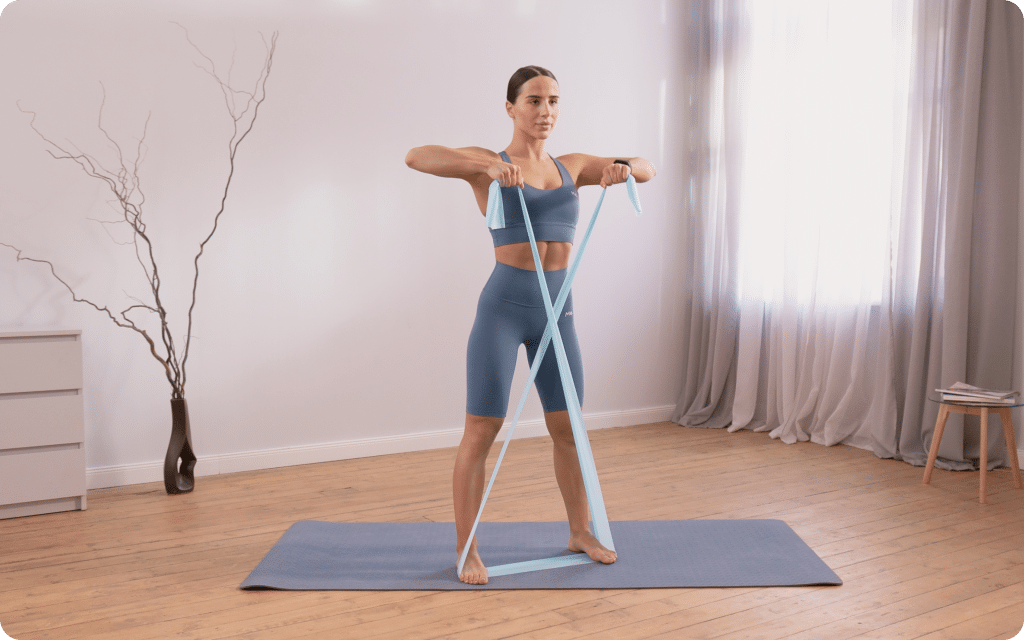
The right workout equipment can enhance efficiency and motivation. Equipment allows individuals to vary workouts, target different muscle groups, and train safely at home or in the gym. Options such as free weights, cardio machines, and resistance bands provide flexibility for different fitness levels. Resistance bands are particularly effective because they are affordable, portable, and adaptable for both strength and mobility training. Selecting equipment that aligns with personal goals and available space makes it easier to maintain a consistent routine.
How to Build a Balanced Workout Routine
A balanced workout routine includes strength training, cardiovascular exercise, and flexibility work. Strength training two to three times per week supports muscle maintenance and fat loss. Cardio sessions can be scheduled on alternate days to improve endurance and calorie burn. Flexibility and mobility exercises help reduce muscle tightness and improve overall movement quality. Structuring workouts in a way that fits personal schedules increases adherence and makes long-term commitment more achievable.
The Role of a Medical Weight Loss Program
For some individuals, additional support may be necessary to achieve meaningful results. A medical weight loss program offers supervised care that addresses underlying health factors affecting weight. These programs often include personalized plans based on medical history, metabolic health, and lifestyle habits. Medical oversight helps ensure safety, especially for individuals with chronic conditions or significant weight loss goals. Regular monitoring and adjustments improve effectiveness and provide accountability throughout the process.
Combining Medical Support, Workouts, and Equipment
Integrating clinical guidance with physical activity creates a comprehensive approach to weight loss. Medical professionals can recommend appropriate workout intensity and help adjust exercise plans based on individual progress. Combining structured workouts with effective equipment allows individuals to stay active while following medical recommendations. This coordinated strategy supports consistency and helps individuals overcome plateaus while maintaining overall health.
Maintaining Weight Loss and Long-Term Fitness Success
Long-term success depends on sustainable habits rather than short-term fixes. Regular physical activity, mindful nutrition, and ongoing self-assessment help maintain progress. Tracking workouts and results encourages accountability and highlights areas for improvement. Adjusting routines as fitness levels change keeps workouts engaging and effective. By focusing on balance and consistency, individuals can maintain weight loss while continuing to improve strength, endurance, and overall well-being.