
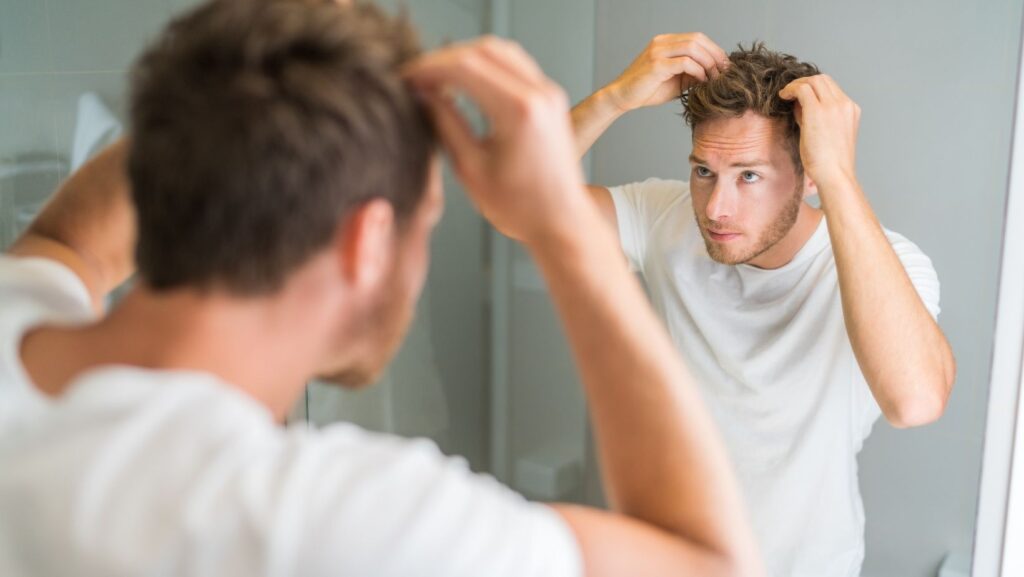
Hair loss affects both men and women at different stages of life, from early adulthood to post-paternity or post-pregnancy years. With the growing number of solutions available today, many people feel confused about whether to pursue medical interventions or natural hair loss treatment options.
This confusion is especially common among women experiencing postpartum hair loss, where sudden shedding after childbirth can be alarming but not always permanent. Understanding the differences between medical and natural approaches is key to choosing the right path for safe, effective, and long-term hair recovery.
Understanding Hair Loss & Postpartum Hair Loss
Hair loss can be triggered by a range of factors, including hormonal changes, genetics, prolonged stress, nutritional deficiencies, illness, or lifestyle habits. These causes affect the hair growth cycle by shortening the growth phase or weakening hair follicles, leading to thinning or excessive shedding.
Postpartum hair loss is a specific form of hair shedding that occurs after pregnancy due to a sudden drop in oestrogen levels. During pregnancy, higher hormone levels keep hair in the growth phase longer. After childbirth, this shifts abruptly, causing increased shedding—often noticeable around the hairline or parting.
While postpartum hair loss is usually temporary, other forms of hair loss may become long-term if the underlying cause is not addressed. Distinguishing between temporary shedding and progressive hair thinning is essential before deciding on a hair loss treatment plan.
Medical Hair Loss Treatments
Medical hair loss treatments focus on clinically proven methods that directly stimulate follicles or regulate hormonal influence on hair growth. These treatments are typically recommended when hair loss is moderate to severe or progressive.
Common medical options include topical solutions and oral medications, prescribed under professional supervision to reduce shedding and encourage regrowth. Non-surgical therapies such as PRP (Platelet-Rich Plasma) and advanced hair growth treatments are also widely used to improve circulation and activate dormant follicles.

While medical hair loss treatment can deliver faster and more measurable results, it often requires consistent use, regular follow-ups, and professional monitoring. Results usually appear over several months, and discontinuation may affect progress.
Natural Hair Loss Treatments
Natural hair loss treatment approaches aim to support hair regrowth by improving overall scalp health, hormonal balance, and internal well-being. These methods are especially popular for individuals seeking gentler solutions or managing conditions like postpartum hair loss.
Natural options include dietary improvements, stress management, targeted supplements, and scalp-based therapies. Herbal treatments, Traditional Chinese Medicine (TCM), and nourishing scalp care help strengthen follicles and improve circulation over time.
While natural treatments are generally safer and better suited for long-term use, they often require patience and consistency. Results may take longer to appear, but they support overall health rather than targeting hair alone.
Medical vs Natural Treatments: What Works Best?
When comparing medical and natural hair loss treatment options, speed is often the biggest difference. Medical treatments typically deliver quicker visible changes, while natural approaches focus on gradual, sustainable improvement.
For postpartum hair loss, natural treatments are often preferred initially, as the condition is usually temporary and linked to hormonal shifts. Medical intervention may be considered if shedding persists beyond the expected recovery period.
In terms of safety, natural treatments tend to have fewer side effects and are suitable for long-term use. Medical treatments may carry risks if not properly supervised. In many cases, a combined approach using medical therapies alongside natural support produces the best overall results.
Choosing the Right Hair Loss Treatment
Selecting the right hair loss treatment depends on several factors, including the cause of hair loss, severity, lifestyle, and personal comfort with different approaches. A professional diagnosis is essential to avoid treating symptoms without addressing the root issue.
Women experiencing postpartum hair loss should seek expert advice if shedding continues beyond several months or worsens. Setting realistic expectations is equally important, as meaningful regrowth takes time regardless of the treatment path chosen.
The most effective plans are personalised, flexible, and guided by experienced professionals.
The Best Hair Loss Treatment Is the One That Fits Your Body and Life Stage
At Beijing 101, hair loss treatment is never one-size-fits-all. Through detailed scalp analysis and a combination of natural therapies and modern care, each programme is tailored to your unique condition—whether you’re managing postpartum hair loss or long-term thinning.
Book a consultation with Beijing 101 today to discover a balanced, personalised hair loss treatment approach that supports healthy regrowth and long-term scalp wellness.