
Summary
Wellness brands choose the right models and fitness influencers by defining campaign goals early, matching talent to brand values, confirming availability upfront, and using structured hiring steps instead of relying on trends or follower counts.
This guide explains who wellness models and fitness influencers are, how brands hire them today, when talent should be involved, and where modern hiring workflows reduce risk, delays, and mismatches.
Wellness brands grow when people trust them. Trust comes from consistency, honesty, and real-life connection. This is why wellness models and fitness influencers matter so much today. They help show how a product or service fits into daily routines, not just how it looks in a photo.
Choosing the right person is not about hype. It is about alignment, professionalism, and process. The sections below break hiring into simple, repeatable steps that improve outcomes.
Today, many wellness brands apply this structured hiring approach using platforms such as Zodel, which help match wellness models and fitness influencers based on role fit, availability, and campaign requirements rather than trends or follower counts.
Understanding the Two Roles: Models vs. Influencers
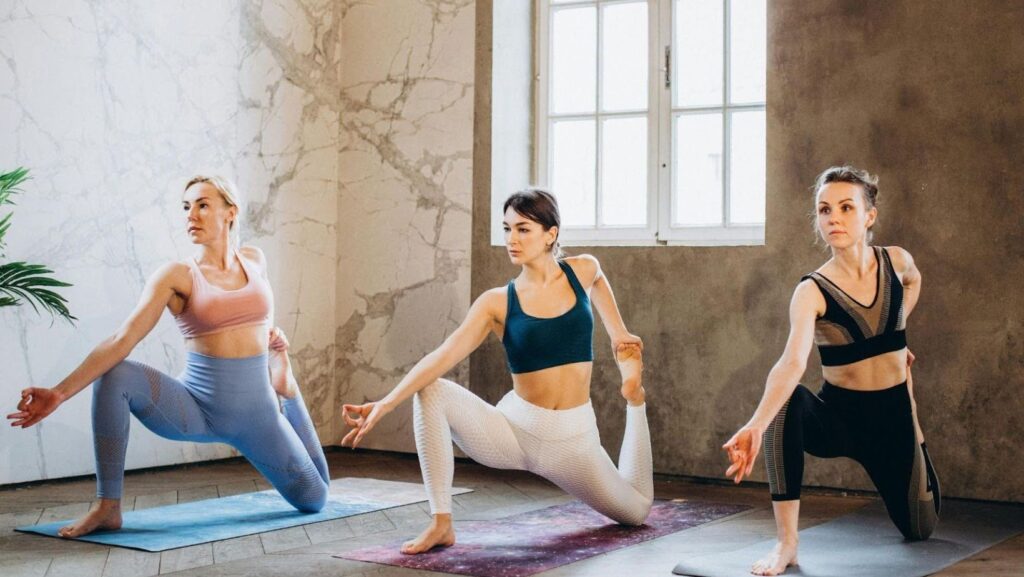
Definition: A wellness model represents lifestyle and visual identity in brand content, while a fitness influencer communicates routines, education, and credibility to an engaged audience.
How do wellness brands choose between models and influencers?
Wellness brands choose models when they need visual storytelling for websites, ads, packaging, and product imagery. They choose fitness influencers when the campaign requires education, routines, product explanation, or long-term audience trust through repeated content.
Wellness models focus on visual lifestyle representation, while fitness influencers focus on communication, education, and audience engagement.
Wellness models are hired mainly for visual content such as photo shoots, videos, websites, ads, and packaging. Their role is to help a brand look calm, healthy, and trustworthy.
Fitness influencers focus on explanation and connection. They share routines, habits, progress, and education with an audience over time. Their value comes from credibility, not perfection.
Role Comparison: How Each Supports a Campaign
Models shape how a brand looks, while influencers shape how a brand is understood.
- Wellness models support visual consistency
- Fitness influencers support message clarity
Some professionals can do both, but brands should define the role before hiring.
Step 1: Define the Campaign Before Looking for Talent
Brands should define purpose, content needs, channels, audience emotion, and success metrics before contacting wellness talent.
Many hiring problems begin when brands search for people before understanding the job itself.
A clear campaign plan answers:
- What is the campaign for and why does it exist?
- What content is required?
- Where will the content be used?
- How should the audience feel?
- How will success be measured?
Why Early Planning Speeds Up Hiring
Brands that define campaigns early hire faster and avoid last-minute changes that frustrate talent. Clear planning reduces revisions, delays, and misalignment.
When should wellness brands involve models or influencers in a campaign?
Brands should involve wellness models and fitness influencers during early creative planning—before formats, locations, and messaging are finalized—to reduce rework, avoid misalignment, and ensure content feels natural.
Step 2: Decide What “Good Fit” Means for the Brand
In wellness marketing, good fit means shared values, natural presence, reliability, and brand-safe behavior. Fit goes beyond appearance. Audiences respond to people who feel balanced and genuine.
A strong match usually includes:
- Lifestyle habits aligned with the brand message
- Calm, confident, or motivating presence
- Clear communication
- Confirmed availability
- Natural, unstaged content
Step 3: Screen Talent Using a Simple Framework
Brands screen wellness talent by reviewing content quality, professionalism, brand safety, and logistics.Instead of endless scrolling, a framework keeps decisions objective.
Screening Area 1: Content Quality
Content should feel natural, clear, and usable for paid media.
- Comfort on camera
- Matching tone and style
- Usable production quality
Screening Area 2: Professional Behavior
Professionalism shows up through communication, clarity, and proof of experience.
- Timely replies
- Clear rates
- Past work examples
Screening Area 3: Brand Safety
Brand-safe talent avoids extreme or misleading health claims.
- Balanced tone
- Responsible messaging
Screening Area 4: Logistics
Logistics confirm whether a campaign can run smoothly.
- Availability
- Location fit
- Deadline reliability
Step 4: Write a Clear and Honest Job Description
Clear job descriptions attract reliable wellness talent and reduce mismatches. Wellness professionals often skip vague requests. Clarity signals respect.
A strong description includes:
- Short brand overview
- Role and responsibilities
- Deliverables and usage needs
- Location and schedule
- Pay structure and timing
- Fitness, wardrobe, or skill needs
Step 5: Ask Questions That Reveal Real Compatibility
Focused questions reveal how well a wellness model or fitness influencer will work with a brand.
Helpful questions include:
- What content feels most natural to create?
- What past campaigns felt aligned?
- What support helps deliver best work?
- What is the turnaround time?
- What boundaries exist around edits and usage?
Why Short Questions Work Better Than Long Interviews
Short questions reveal working style faster than long interviews.
Step 6: Avoid the Most Common Hiring Mistakes
Common mistakes include choosing based on follower count, ignoring communication skills, and using unverified profiles.
Many wellness campaigns fail because of:
- Hiring for popularity instead of alignment
- Overlooking reliability
- Using outdated agency lists
- Setting expectations too late
Fast Hiring vs. Structured Hiring
Fast hiring without structure often leads to rework, delays, and mismatched talent, while structured hiring leads to smoother launches, clearer expectations, and more reliable results.
Fast hiring usually focuses on speed alone. Brands may choose talent quickly based on availability, appearance, or follower count, without fully checking fit, communication style, or logistics. This can result in missed deadlines, unclear deliverables, or content that does not match the brand’s message, requiring last-minute changes or reshoots.
Structured hiring balances speed with clarity. Brands define the role, screen for alignment, confirm availability, and set expectations before booking. This approach reduces friction during production, keeps timelines on track, and helps campaigns launch with fewer surprises.
Step 7: Use Tools That Make Hiring Faster and Safer
Structured hiring works best when supported by platforms designed for role-based matching, verified profiles, and real-time availability. This is why many wellness brands use marketplaces such as Zodel to apply this framework—filtering talent by campaign needs, confirming availability upfront, and managing logistics without the delays of traditional agencies.
One example is Zodel modeling agency, which is used by brands that want a structured way to find wellness models and fitness influencers based on real availability and role requirements rather than open-ended browsing. Platforms like this reduce common hiring risks by filtering for fit, availability, and professionalism before conversations even begin.
For example, a wellness brand launching a new product line can filter talent on Zodel by lifestyle category, availability window, location, and prior campaign experience—allowing teams to shortlist qualified models or influencers in minutes instead of days.
This shift toward structured hiring aligns with broader wellness marketing trends that emphasize transparency, accountability, and responsible representation. Research-backed guidance from organizations such as the World Health Organization (WHO) highlights the importance of credible health messaging and avoiding misleading or exaggerated claims in wellness-related content.
Similarly, insights from Harvard Health Publishing emphasize that trust and consistency are key factors in how audiences respond to health and lifestyle information over time.
Platform Capabilities That Support Wellness Campaigns
Modern platforms focus on fit, availability, and transparency rather than large, static rosters.
Common capabilities include:
- Advanced matching based on role needs
- Verified and rated profiles
- Secure handling of project funds
- Timely payment release after job completion
- Lower marketplace fees than traditional agencies
- Mobile job management for on-the-go coordination
- Ongoing customer support
These features help brands spend less time managing logistics and more time focusing on campaign quality and message clarity.
Step 8: Start With a Small Test Project
Small test projects help brands confirm fit before long-term partnerships.

Tests can include:
- One shoot day
- A short video set
- A single event appearance
Step 9: Build Long-Term Relationships the Right Way
Long-term wellness partnerships succeed through clarity, respect, and timely payment.
Brands build better outcomes when they:
- Communicate clearly
- Respect boundaries
- Pay promptly
- Share feedback
How Brands Typically Book Wellness Models Today
Brands now choose between agencies, direct outreach, and hiring platforms based on speed, cost, and control.
Where do wellness brands hire models and fitness influencers today?
Brands typically choose between agencies, direct outreach, and hiring platforms depending on how quickly they need talent, how much control they want, and how much risk they can manage.
| Booking Method | Primary Strength | Main Limitation |
| Traditional agencies | Managed process | Higher fees, slower timelines |
| Direct outreach | Full control | Time-intensive, higher risk |
| Hiring platforms | Speed and transparency | Requires clear job definition |
Final Thoughts
Structured hiring leads to more authentic wellness campaigns and stronger audience connection.
Finding the right wellness model or fitness influencer is a process, not a gamble. Clear goals, structured screening, and modern workflows help brands create campaigns that feel real, responsible, and aligned with healthy living.
For brands that want to apply these steps in real campaigns without the friction of traditional hiring, platforms like Zodel provide a structured environment to discover, screen, and book wellness models and fitness influencers based on real project needs.