
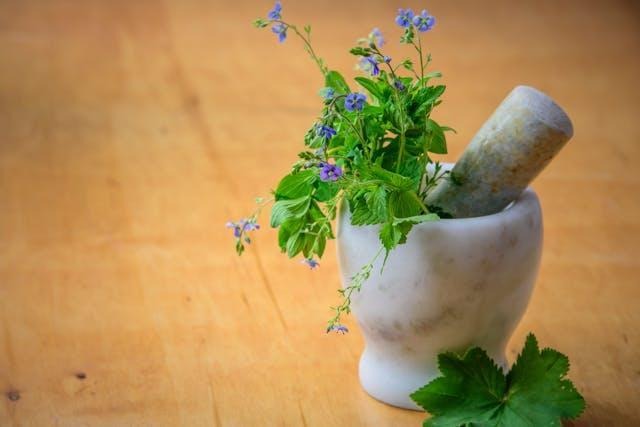
Choosing a plant-based wellness option can feel like looking at a wall of leafy labels. You might wonder which one fits your life. One friend swears by calming teas, another lives on capsules, and social feeds keep tossing new blends in your face. Instead of guessing, use a simple plan: know what you need, choose the right format, and stick with brands that respect your health. Here’s a straight-talking guide to help you do exactly that.
Understanding Herbal Wellness Products and Their Benefits
Plant-based wellness starts with leaves, roots, and flowers. People have used these for centuries to promote calm, focus, and comfort. You’ll see them in teas, capsules, tinctures, powders, oils, and even gummies. Many blends focus on themes. They may ease stress, support immune response, soothe digestion, or help you sleep. You can wake up feeling refreshed, not groggy.
They’re not magic, and they’re not a replacement for medical care, but they can support your routine when used thoughtfully. Think of them as backup singers for your health. Sleep, food, movement, and stress management are the stars.
Matching Herbal Remedies to Your Lifestyle Needs
Start with your current lifestyle, not the prettiest label. If you go to the gym often, you may want blends that help with recovery, joint comfort, or energy. Look for options that don’t cause a big caffeine spike. Desk warriors often need help with tension, brain fog, and late-night screen spirals that wreck sleep. Your body basically says, “Can we keep this simple?” every time you stack ten different bottles on the counter and forget to open any of them.
Check your daily rhythm. If your mornings are chaotic, an easy capsule or pre-mixed drink fits better than a twenty-step tea ritual. If evenings are your chill zone, a slow sip or calming smoke session may feel more natural than swallowing another pill.
Key Ingredients to Look for in Herbal Supplements
Certain plants come up again and again because people use them for very specific goals. Here are some common ones you’ll see on labels and what they’re usually chosen for:
- Ashwagandha – helps with stress, boosts energy, and keeps you calm yet alert.
- Turmeric (with black pepper) – Well known for joint comfort and support for general inflammation.
- Echinacea – often included in blends that help boost immune defenses in the cold season.
- Chamomile and lemon balm – common in sleep and calm formulas for easing a racing mind at night.
- Ginger and peppermint – go-to picks for digestion, bloating, or queasy days.
Some adults in legal places try cannabis options. For example, they enjoy premium blunts by Sluggers to help them relax. Check local laws. Also, talk to a health professional if you have health issues or take medication.
Choosing Between Capsules, Teas, Tinctures, and Topicals
Capsules suit those who like to “take them with water and go.” They provide steady doses and are easy to carry. Teas turn your dose into a small ritual, which can calm your brain before the plants even kick in.
Tinctures (liquid drops) absorb quickly. You can adjust the dose drop by drop. They’re great for those who dislike swallowing pills. Topicals like balms or creams sit on the skin. They focus on specific areas, such as stiff shoulders and sore knees. Choose the format you’ll use most often. Consistency is better than a fancy formula that just collects dust.
Checking Quality, Certifications, and Safety Information
Quality starts with clear labels. You should see plant names, amounts, serving size, and any fillers, not mystery blends. Look for notes on third-party testing. Check if facilities are GMP compliant. Also, verify if sourcing is organic or aware of pesticides when possible.
Skip options that make wild cure-all claims or hide behind vague phrases with no amounts listed. If you’re pregnant, breastfeeding, on medication, or managing a chronic condition, check in with a qualified clinician before adding anything new.
Where to Find Trusted Herbal Wellness Products Online and in Stores
Start with brands that share lab reports, sourcing details, and clear contact info on their sites. Read independent reviews on multiple platforms, not just the glowing comments on the brand’s own page.
You can find options that fit your goals at local health shops, herbalists, and integrative clinics. Watch out for marketplace sellers with prices that seem too good to be true. This often means they cut corners on quality or safety.
Conclusion: Confident Choices for Lasting Herbal Wellness
The best plant-based routine is the one that lines up with your goals, your schedule, and your budget. Choose one focus area, like stress or sleep. Pick ingredients and formats that fit your routine. Then, try them for a few weeks and track how you feel. Check in with your body. Adjust as needed. Keep your main health habits strong. This way, any blend you choose has a solid base to support it.
FAQs
How long does it take to feel results from plant-based wellness blends?
Calming teas or tinctures can take effect within an hour. They are especially helpful for mild stress or tension. Support for joints, hormones, or immunity can take weeks. This is because those systems change slowly. Give most routines 3 to 4 weeks before judging. If you see side effects, stop and consult a pro.
Can I mix different plant blends?
You can, but using three mood formulas and two sleep mixes in one night may lead to issues. Start with one blend at a time so you actually know what’s doing what. If you add a second one later, keep dosages low. Be alert for more sleepiness, stomach issues, or mood swings.

Are these options safe to use with prescription drugs?
Some plants can affect drugs for blood pressure, mood, blood thinning, and more. So, guessing is not a good idea. Take the full ingredient lists to your doctor, pharmacist, or herbalist. Ask them to check for safety. If you can’t find an answer, skip the heavy combos. Stick to gentler basics like ginger or peppermint until you get clear advice.
Is organic always better?
Organic certification often results in the use of fewer synthetic pesticides. Many people appreciate this. A small company can find clean plants and test for contaminants. They can do this even without formal certification. Look at the full picture: lab reports, sourcing info, and how open the brand is about its process.
What’s the best way to test if a new blend actually helps me?
Pick one main goal, such as calmer afternoons or less bloating. Then, rate it each day on a scale from 1 to 10. Begin your new routine. Keep your other habits steady. Track that same number for a few weeks. If the average improves without new side effects, keep that blend. But if nothing changes, it may be time to explore another option.