
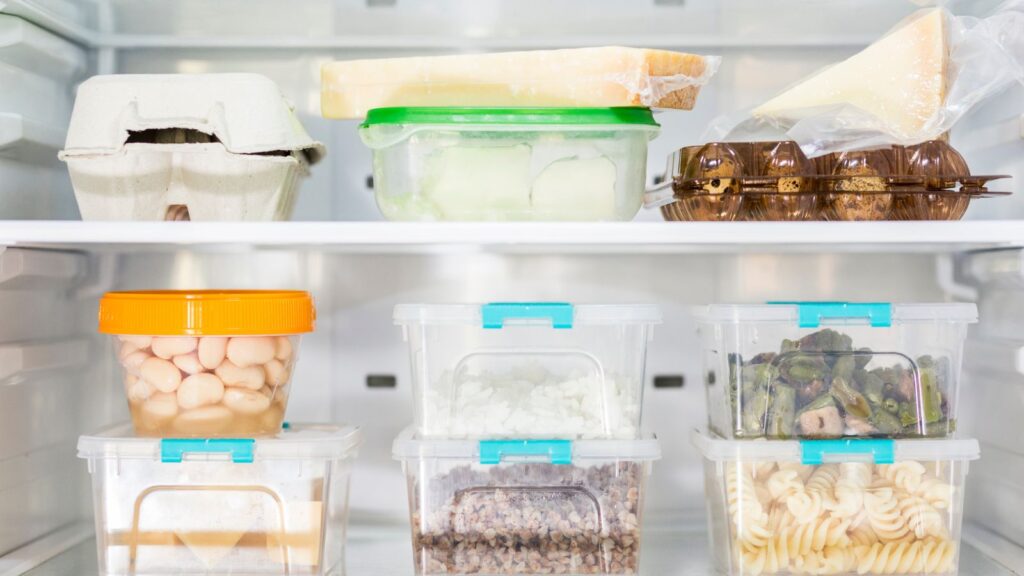
In modern kitchens, food storage containers play a vital role in maintaining freshness, reducing waste, and improving organization. With a wide range of materials, shapes, and features available, selecting the right containers for everyday use can feel overwhelming. However, by understanding key factors such as material, functionality, durability, and safety, you can make informed decisions that suit your lifestyle and kitchen needs.
1. Consider the Material
food storage containers are typically made from glass, plastic, stainless steel, or silicone. Each material has its advantages and limitations:
● Glass containers are highly durable, non-porous, and resistant to stains and odors. They are ideal for storing leftovers and reheating food, as they are generally oven- and microwave-safe. However, they can be heavier and more fragile than other options.
● Plastic containers are lightweight and affordable, making them popular for everyday use. Look for BPA-free options to ensure safety. While convenient, plastic may absorb odors and stains over time and may not be as long-lasting as glass.
● Stainless steel containers are durable, eco-friendly, and resistant to corrosion. They are suitable for dry foods and lunches but are not microwave-safe.
● Silicone containers are flexible, lightweight, and often collapsible, making them ideal for saving space. They are heat-resistant and safe for microwaves and freezers.
Choosing the right material depends on how you intend to use the containers and your personal preferences for durability and convenience.
2. Evaluate Size and Shape
Food storage needs vary from storing small portions of leftovers to bulk meal preparation. A versatile set of containers in different sizes can help accommodate a range of uses.
● Small containers are perfect for sauces, snacks, and portion control.
● Medium containers are suitable for leftovers and meal prep.
● Large containers work well for bulk storage or family-sized meals.
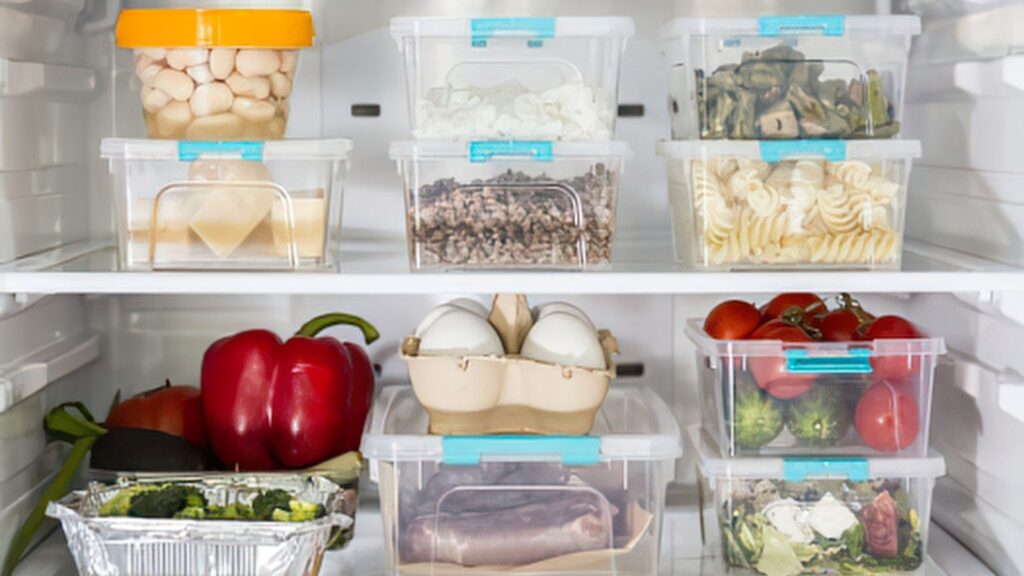
Stackable and nestable designs can save valuable cabinet and refrigerator space. Rectangular or square containers are often more space-efficient than round ones, especially when organizing shelves.
3. Check for Airtight and Leak-Proof Features
One of the most important aspects of food storage containers is their ability to preserve freshness. Airtight lids prevent air from entering, which helps keep food fresh for longer and reduces spoilage. Leak-proof containers are essential for transporting liquids such as soups, sauces, or dressings without spills.
Look for containers with secure locking mechanisms or silicone seals, as these features enhance reliability and performance.
4. Ensure Safety and Compatibility
When selecting containers, consider their compatibility with common kitchen appliances:
● Microwave-safe containers allow for easy reheating.
● Freezer-safe containers help preserve food for longer periods without damage.
● Dishwasher-safe containers make cleaning more convenient.
Additionally, ensure that materials are food-grade and free from harmful chemicals. Labels such as BPA-free and food-safe certifications provide reassurance about product safety.
5. Durability and Longevity
Investing in durable containers can save money in the long run. Glass and stainless steel options typically last longer than plastic alternatives. High-quality lids that maintain their seal over time are equally important.
Frequent use can lead to wear and tear, so choosing containers that withstand daily handling, temperature changes, and repeated washing is essential for long-term satisfaction.
6. Ease of Cleaning
Containers that are easy to clean help maintain hygiene and prevent lingering odors. Smooth surfaces and stain-resistant materials are preferable. Glass containers are particularly easy to clean, as they do not retain food residues or smells.
Dishwasher-safe containers add convenience, especially for busy households. However, always check manufacturer instructions to avoid damaging lids or seals.
7. Sustainability Considerations
As environmental awareness grows, many consumers are opting for eco-friendly food storage solutions. Reusable containers reduce reliance on single-use plastics and contribute to a more sustainable lifestyle.
Glass and stainless steel containers are excellent choices for sustainability due to their durability and recyclability. Silicone options are also reusable and long-lasting.
8. Budget and Value
While it may be tempting to choose the cheapest option, it is important to consider value rather than just price. High-quality containers may have a higher initial cost but often provide better performance and longevity.
Investing in reliable products ensures that your food remains fresh and safe, ultimately saving money by reducing food waste.
9. Matching Your Lifestyle
Your daily routine should influence your choice of containers. For example:
● If you frequently prepare meals in advance, opt for stackable, portion-sized containers.
● If you carry food to work or school, lightweight and leak-proof options are essential.
● If you prioritize reheating convenience, choose microwave-safe materials.
Selecting containers that align with your habits ensures they will be used effectively and consistently.
Conclusion
Choosing the right food storage containers involves balancing practicality, safety, and personal preferences. By considering factors such as material, size, airtight features, durability, and sustainability, you can build a collection that enhances your kitchen efficiency and keeps your food fresh.
For a wide selection of high-quality food storage containers, explore options that combine functionality with reliability to meet your everyday needs.