
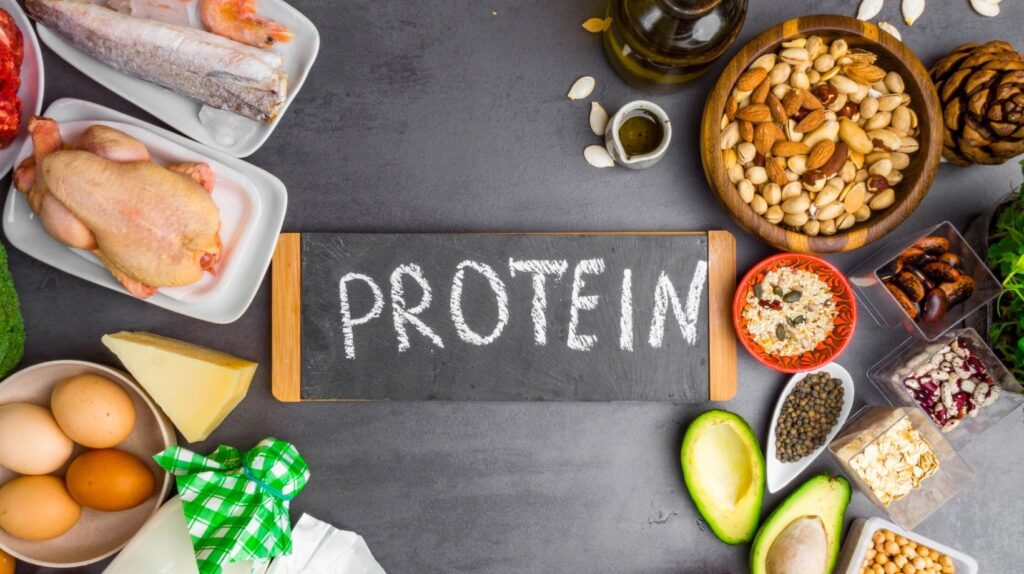
For many of us, food served a relatively simple palette of needs: it gave us energy, quelled our hunger, and delivered the key nutrients for our body to function.
But nutrition science is getting more sophisticated and as humans, we’re drawing on a deeper understanding of what our food can do. It’s emerging as a powerful tool in the function and health of the human body, including supporting gut and immune function and helping the body to manage the effects of aging and chronic diseases.
This shift is drawing the concept of functional nutrition away from a niche approach to an emergent part of a well-rounded approach to health.
From Food to Functional Nutrition
Functional foods are designed to carry well-recognized health benefits beyond basic nutrition. In this camp you could put probiotic yoghurts, vitamin-enriched cereals or drinks designed to provide key minerals and phytonutrients.
Interest in these kinds of products is growing in line with consumers’ expanding views of preventative health. More so than ever, we’re seeing people looking for everyday dietary choices that will help them maintain their health and prevent disease.
That’s not to say that food can provide an adequate alternative to a healthcare professional, but what we eat certainly plays a critical role in determining our health trajectory.
The Value of Fortified Foods
Fortification has long served a useful purpose when it comes to meeting needs for essential nutrients, but today, advances in food science and technology mean that its future value is substantial. This is good news because we now have an experimental and evidence-based route to build essential and conditionally essential nutrients (such as fatty acids or the folate in food) into familiar and popular foods.
There are many scenarios where fortified foods can be helpful. Some people live life in a way that makes it difficult to meet nutrient needs from foods and beverages despite their best efforts. When that’s the case, due to various challenges including diet, lifestyle, and food access and availability, we theoretically have the ability in many cases to provide additional nutrients in a form that promotes a health-promoting effect.
The Rise of Bioactive Ingredients
Another exciting avenue is that of bioactive ingredients: oral compounds can exert an effect in the body by interacting with biological processes in the system. These compounds can include polyphenols, carotenoids, omega-3 fatty acids and plant compounds like those found in turmeric, which are being explored for myriad potential roles in health, including for inflammation, metabolic health and cellular protection, to name but a few.
For the nutrition researcher, these compounds open brave new worlds. For a contemporary food and nutrition ingredient supplier, they create an opportunity to work with partners who can provide the necessary expertise and ingredients to develop new solutions and promising products to address evolving nutritional needs.
Where Science Meets the Kitchen
The impact of nutritional science is not limited to the products in the grocery store aisles. It is also changing how those products are made, what they deliver, and where food fits into the broader picture of better health through nutrition.
The most exciting products of the future might not come in the form of at-meal powders. Instead, they might be the familiar foods we eat every day, but more nutrient-dense and more directly associated with health, without having to sacrifice taste, texture, or eating experience.
As science learns more about how the body is impacted by substances we eat, the more food innovation can make a critical impact. The result could mean a new food system in which the healthier choice isn’t just to consume less, but to get more of what the body needs.