
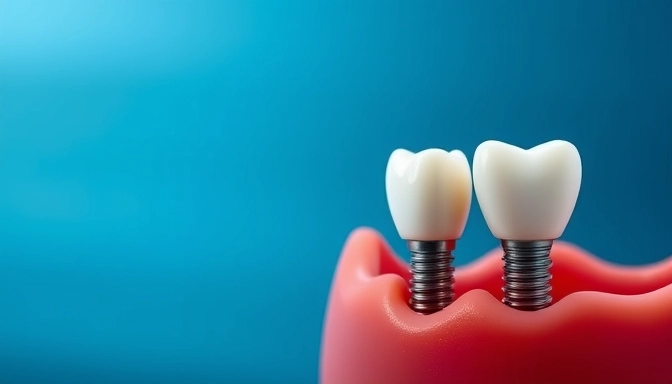
If you have a history of gum disease, you can still get dental implants — often successfully — provided the infection is treated, bone support is evaluated, and you commit to careful planning and maintenance. With proper periodontal therapy and a tailored treatment plan, a trusted dentist in Minot, ND can help make implants a durable option even after gum disease.
Expect the article to walk you through how clinicians assess gum health and implant candidacy, what pre-implant treatments reduce risk, which implant types suit compromised gums, and how ongoing maintenance prevents problems. That roadmap helps you make an informed decision and prepares you for conversations with your dentist or periodontist.
Assessing Gum Health for Implant Candidacy
You need a precise, documented picture of current and past gum disease, bone support, and ongoing infection risk before implants. That assessment determines timing, need for periodontal treatment, and whether bone grafting or other procedures are required.
Evaluating Periodontal Disease Severity
Start by measuring pocket depths at six sites per tooth using a calibrated periodontal probe. Pockets ≥5 mm, bleeding on probing, and clinical attachment loss indicate active or past moderate-to-severe periodontitis, which raises peri-implantitis risk.
Record tooth mobility, furcation involvement, and extent of gingival recession. Note previous periodontal therapy and current plaque control; poor oral hygiene or history of recurrent disease increases the likelihood you’ll need stabilization first.
Use staging and grading (if available) to document bone loss pattern and rate of progression. That classification guides whether implants can be planned immediately after therapy, require delayed placement, or demand additional reconstruction.
Oral Health Screening Protocols
Compile a full medical and dental history, including smoking, diabetes control (A1c), medications, and prior periodontal diagnoses. These systemic and behavioral factors affect healing and implant prognosis and must be optimized before surgery.
Perform a thorough intraoral exam: assess soft tissue biotype, keratinized gingiva width, mucosal inflammation, and existing restorations that may harbor biofilm. Evaluate occlusion and parafunctional habits that could overload implants.
Implement a tailored hygiene assessment and risk-scoring tool. Document patient adherence potential and plan for supportive periodontal maintenance every 3–6 months if implants proceed.
Imaging and Diagnostic Tools
Obtain periapical radiographs for local bone levels and a CBCT scan for three-dimensional evaluation of ridge height, width, and bone defects. CBCT helps plan implant size, angulation, and need for grafting or sinus lift.
Use radiographs to quantify vertical and horizontal bone loss and to detect residual inflammatory lesions. Compare with past images when available to determine bone loss rate and healing after periodontal therapy.
Consider microbiologic testing or biomarkers (e.g., aMMP-8) in select cases to detect persistent infection and guide timing of implant placement. Use diagnostic data to create a staged treatment plan that addresses infection control, bone augmentation, and maintenance scheduling.
Pre-Implant Treatment Strategies
You need targeted treatment to eliminate infection, restore healthy gum and bone levels, and create a stable foundation for implants. The next steps include detailed non-surgical therapy, selective surgical soft-tissue procedures, and careful timing for when implants are placed.
Non-Surgical Periodontal Therapies
Non-surgical therapy focuses on removing bacterial biofilm and calculus that drive periodontitis. Your clinician will perform full-mouth scaling and root planing, often quadrant by quadrant, using ultrasonic and hand instruments to reduce pocket depths and inflammation.
Adjunctive measures may include:
You’ll also receive oral hygiene coaching and a personalized maintenance schedule. Re-evaluation at 4–8 weeks determines whether pockets respond sufficiently or if surgical access is needed before implant planning.
Surgical Interventions for Soft Tissue
Surgical procedures address residual deep pockets, inadequate keratinized tissue, and esthetic concerns that non-surgical care cannot fix. Your periodontist may perform flap debridement to gain access for thorough cleaning and to reshape bone contours.
Soft-tissue grafting options include:
Guided tissue regeneration and minor crown lengthening are used when bone or margin position interferes with implant placement. These surgeries improve tissue health, reduce future peri-implantitis risk, and optimize implant emergence profile. You’ll get specific post-op instructions and a follow-up plan to confirm healing.
Timing Considerations for Implant Placement
You must wait until periodontal disease is controlled and stability is documented before placing implants. Most clinicians require a period of periodontal stability—commonly 3–6 months after definitive therapy—plus stable probing depths and minimal bleeding on probing.
Bone augmentation, if required, can extend the timeline:
Your smoking status, systemic health, and maintenance compliance influence timing. Clinicians confirm control with clinical measurements, radiographs, and a maintenance recall schedule before proceeding.
Implant Options and Materials for Compromised Gums
You will need implants and protocols that reduce infection risk, maximize bone contact, and allow easier hygiene. Choices about implant shape, surface, material, and timing of loading directly affect long-term stability when gums are or have been compromised.
Implant Design Adaptations
Select implant designs that improve primary stability and minimize plaque retention around the neck. Tapered or conical implants increase engagement in limited or low-density bone. Short or narrow implants can work where grafting is not possible, but you must match them to occlusal loads and prosthetic design.
Consider platform-switching or implants with a polished transmucosal collar to shift the microgap away from crestal bone and reduce marginal bone loss. Macro-features like deeper threads or variable pitch increase surface contact in soft bone and help achieve immediate mechanical stability. Avoid aggressive neck microthreads that trap plaque if you expect challenging hygiene.
If bone is severely resorbed, discuss zygomatic or pterygoid implants for the posterior maxilla. These anchor in extra-jaw sites, but they require a specialist and carry different surgical risks and maintenance needs.
Choosing Biocompatible Materials
Pick materials that resist corrosion, integrate with bone, and tolerate peri-implant soft-tissue challenges. Titanium (grade 4 or Ti-6Al-4V) remains the standard for osseointegration and clinical track record. Titanium alloys offer a balance of strength and proven biocompatibility for most compromised cases.
Zirconia implants provide a metal-free option and a smoother, less plaque-retentive surface that may benefit patients with high mucosal sensitivity. They have lower long-term data versus titanium, so reserve them for select cases where esthetics or metal avoidance matter and you can control occlusion.
Surface treatments matter: moderately roughened surfaces (e.g., SLA, anodized) enhance bone anchorage. Antimicrobial coatings (silver, antiseptic-releasing films) are investigational — consider them only within evidence-based indications or trials. Always balance bone response with any material’s potential to encourage biofilm.
Loading Protocol Adjustments
Adjust loading timing based on implant stability and soft-tissue health to lower peri-implantitis risk. If insertion torque and insertion stability quotient (ISQ) are high, you can consider early or immediate loading; otherwise, prefer delayed loading (3–4 months) to allow osseointegration, especially after periodontal treatment or grafting.
Staged approaches help when you perform simultaneous bone grafts or sinus lifts. Use provisional restorations that are out of occlusion to reduce micro-motion. For patients with prior periodontitis, plan more conservative occlusal schemes and schedule tighter recall—probe and radiograph at shorter intervals to catch marginal bone changes early.
Implement strict hygiene protocols before loading: complete periodontal stabilization, professional cleaning, and patient training. Document baseline ISQ and radiographs to guide any future decision to unload or revise the prosthesis.
Long-Term Maintenance and Risk Management
You need a predictable schedule for professional checkups, a consistent home-care routine, and a clear plan to detect and treat early signs of peri-implant disease. These elements work together to protect implants after placement and over years.
Professional Monitoring Regimens
You should see your implant provider at least every 3–6 months during the first year after loading, then every 6–12 months thereafter based on risk. Visits must include peri-implant probing with light, standardized force, radiographic comparison (periapical or bitewing) when indicated, and assessment of prosthesis fit and occlusion.
Your clinician will document pocket depths, bleeding on probing, suppuration, and radiographic bone levels to detect changes early. If you have a history of periodontitis, expect more frequent maintenance (often every 3–4 months) and collaborative care between periodontist, hygienist, and restorative dentist.
During visits, professional debridement must use nonmetallic or specially coated instruments and adjuncts (air-polishing with glycine/powder alternatives) to avoid damaging implant surfaces. Your team may prescribe topical antimicrobials, systemic antibiotics for acute infection, or modify the prosthesis if hygiene access is inadequate.
Home Care Best Practices
You must clean implants daily with a soft-bristled toothbrush and low-abrasive toothpaste. Use interdental brushes (nylon-coated) sized to fit the embrasure, and clean beneath prosthetic bridges with super floss or water flossers to remove plaque at implant–tissue interfaces.
Use an antimicrobial mouthrinse (0.12% chlorhexidine short-term or CPC alternatives) as directed for postoperative or inflammatory episodes. Replace interdental devices regularly and bring them to maintenance visits so your hygienist can check your technique and brush size.
Smoking cessation and glycemic control matter. If you smoke or have poorly controlled diabetes, you face higher risk of peri-implant inflammation and bone loss, so work with your medical provider and dental team to reduce those risks before and after implant therapy.
Managing Peri-Implant Disease
When you notice bleeding, increased probing depths, or pus, act quickly: schedule an urgent evaluation. Early mucositis responds to intensified mechanical debridement, improved home care instruction, and local antiseptics; do not wait for radiographic bone loss.
For peri-implantitis with bone loss, treatment options include combined mechanical debridement, antimicrobial therapy (local or systemic per clinician judgment), and surgical approaches to access and decontaminate implant surfaces. Regenerative procedures may be considered when defect morphology and patient factors are favorable.
Your care plan will depend on disease severity, implant design, and systemic risk. Expect documented follow-up intervals after treatment to confirm stability; repeated failures often reflect unresolved risk factors such as poor plaque control, residual cement, or uncontrolled systemic conditions.