
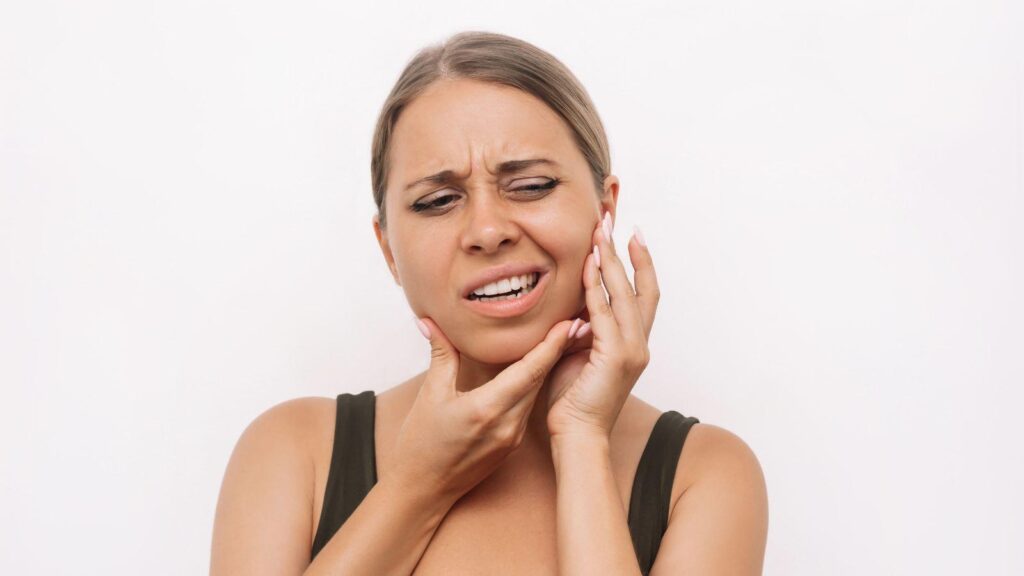
Stress can affect the jaw, and many people notice tightness, soreness, or clenching during periods of anxiety. Anxiety and jaw pain are often linked to muscle tension, teeth grinding, and pressure near the jaw joint.
Symptoms may include a dull ache, sharp discomfort, facial tightness, headaches, or pain that spreads to the ears and neck. This article explains why it happens, how to manage it, and when professional care may help.
A complete approach should explain how anxiety may cause jaw tension and clenching. It should also cover teeth grinding, TMJ pain, headaches, facial soreness, at-home relief, jaw exercises, mouthguards, anxiety treatment, medication links, and when to see a dentist or doctor.
Key Takeaways
Why Anxiety Can Affect the Jaw
Many people ask, “Can anxiety cause jaw pain?” especially when symptoms appear during stressful weeks or panic episodes. The answer is yes, because stress and anxiety can make the body tighten muscles without the person noticing.
The jaw, face, shoulders, and neck are common areas where this tension tends to build.
When the body feels threatened, it may stay in a high-alert state. This can lead to clenched teeth, guarded posture, shallow breathing, and tight facial muscles. Over time, these habits can irritate the temporomandibular joint, or TMJ, and the surrounding tissues.
How Jaw Pain From Anxiety Feels
Jaw discomfort anxiety can feel different from person to person. Some people feel a heavy ache near the cheeks, while others feel pressure near the ears or temples. The pain may come and go, or it may worsen after a stressful day.
Common symptoms include:
These symptoms can overlap with TMJ disorders, dental problems, sinus pressure, or bite issues. A professional exam helps identify the cause when symptoms last, worsen, or interfere with daily life.
Jaw Tension vs Bruxism vs TMJ Pain
Jaw tension, bruxism, and TMJ pain are related, but they are not the same thing. Jaw tension usually means the facial and chewing muscles feel tight, tired, or sore. Bruxism refers to repeated clenching or grinding, which may happen while awake or during sleep.
TMJ pain involves irritation around the jaw joint, muscles, or both. Anxiety may contribute to all three by keeping the body in a guarded state. Understanding the difference helps patients choose the right next step instead of treating every jaw symptom the same way.
Why Stress Causes Clenching
An aching jaw anxiety pattern often comes from repeated clenching or grinding. Many people clench during work, sleep, driving, studying, or in conflict without realizing it. This keeps the chewing muscles active for long periods.
Chronic stress can also affect sleep quality. Poor sleep may increase grinding, jaw fatigue, and morning soreness. Some people wake up with sensitive teeth, tight cheeks, or a tired feeling in the jaw.
The TMJ Connection
The temporomandibular joint connects the jawbone to the skull. It helps with chewing, speaking, yawning, and opening the mouth. When the joint, muscles, or bite become irritated, TMJ pain may develop.
TMJ-related symptoms can include:
Anxiety can make these symptoms worse by increasing muscle tension around the joint. The pain does not always mean the joint is damaged, but it should be checked if it continues.
Anxiety Symptoms That Affect the Mouth
Some people describe anxiety and sore jaw tension when searching for symptoms online. This usually points to jaw tightness, tooth pressure, or soreness after clenching. The discomfort may feel stronger during stress, after caffeine, or after poor sleep.
Anxiety can also change breathing patterns. Faster breathing may tighten the neck, chest, and jaw muscles. Deep breathing can help calm the nervous system and reduce the physical cycle that keeps the jaw tense.
At-Home Relief for Jaw Tightness
Mild jaw pain linked to anxiety may improve with simple daily care. The goal is to relax the muscles, reduce pressure on the joint, and interrupt clenching habits. These steps work best when done consistently.
Try these strategies:
A warm compress may help increase blood flow to tight muscles. It can also make jaw stretches feel more comfortable when soreness is present.
Jaw Stretches and Muscle Care
Gentle jaw stretches can help some people reduce stiffness. The movement should feel controlled, not forced. Stop if pain becomes sharp, locking occurs, or symptoms increase.
Helpful options include:
These movements can support mobility, but they do not replace dental or medical care. If jaw pain keeps returning, the cause may involve bite pressure, grinding, TMJ disorders, or another condition.
Managing Stress Behind the Pain
To reduce stress-related jaw symptoms, it helps to address both the body and the trigger. Jaw care may calm soreness, but stress management helps reduce the habit that started it. This is where mental health support can matter.
Useful approaches may include therapy, better sleep habits, exercise, mindfulness, and reduced caffeine.
Deep breathing before sleep or during stressful moments may lower jaw guarding. Relaxation techniques work best when practiced before symptoms become intense.
Can Anxiety Medication Affect Jaw Clenching?
Some medications used for anxiety may affect jaw clenching in certain patients. SSRIs and SNRIs can help treat anxiety, but some people report new or worsening grinding or clenching after starting them.
This does not mean patients should stop medication without medical guidance.
If jaw symptoms begin after a medication change, the safest step is to speak with the prescribing doctor. A clinician may adjust the dose, review timing, consider another medication, or coordinate care with a dentist.
This context matters because jaw pain may come from anxiety, medication effects, sleep habits, or a mix of factors.
When a Mouthguard May Help
A nightguard may help when grinding or clenching happens during sleep. It does not cure anxiety, but it can protect teeth and reduce pressure from repeated grinding. A dentist can check for wear marks, tooth sensitivity, and bite-related signs.
A custom-fit nightguard usually feels more secure than a store-bought option. It can also more closely match the bite and reduce unwanted pressure points.
For patients near Union Square, Smile Lab NYC can evaluate jaw symptoms, tooth wear, and TMJ-related concerns in a dental setting.
When to Seek Professional Help
Jaw pain should be checked when it lasts more than a few days, keeps returning, or affects eating, speaking, or sleeping.
You should also seek care if the jaw locks, swelling appears, or pain follows an injury. Severe tooth pain, fever, or sudden facial swelling needs prompt evaluation.
A dentist may assess the teeth, gums, bite, jaw joint, and muscle tenderness. A doctor or mental health professional may help if anxiety symptoms are frequent or difficult to manage.
Coordinated care can address both the jaw discomfort and the stress response behind it.
What a Dentist Checks During a Jaw Pain Exam
A dental exam can help separate anxiety-related muscle tension from tooth, bite, gum, or joint problems. The dentist may check tooth wear, cracked enamel, bite pressure, jaw movement, muscle tenderness, and signs of grinding.
They may also ask when symptoms happen, such as in the morning, during work, or after stressful events.
This evaluation matters because similar symptoms can have different causes. Jaw pain may come from clenching, TMJ irritation, tooth infection, gum inflammation, sinus pressure, or trauma. A clear diagnosis helps avoid guessing and supports a safer treatment plan.
Practical Daily Habits
Small habits can reduce strain on the jaw throughout the day. Keep your tongue relaxed, teeth apart, and shoulders lowered when you notice tension. Set reminders if clenching happens during focused work.
You can also track when symptoms appear. Write down sleep quality, stress level, caffeine intake, chewing habits, and pain location. Patterns can help you understand whether anxiety, posture, grinding, or another trigger plays a role.
FAQs About Anxiety and Jaw Pain
Can anxiety cause jaw pain on one side?
Yes, anxiety-related jaw pain can affect one side if you clench unevenly or favor one side while chewing. One-sided pain can also come from dental issues, bite imbalance, or TMJ irritation, so persistent symptoms should be checked.
How long does anxiety jaw pain last?
It may last a few minutes, several hours, or longer if clenching becomes frequent. If pain keeps returning for more than a few days, a dental or medical evaluation can help identify the cause.
Can jaw clenching cause headaches?
Yes, repeated clenching can strain the chewing muscles and trigger temple headaches. It may also contribute to facial soreness, ear pressure, and neck tension.
Is a mouthguard enough for anxiety and jaw pain?
A mouthguard can protect the teeth and reduce strain from grinding, but it does not treat the anxiety itself. The best approach often combines dental protection, stress management, sleep support, and professional care when symptoms persist.