
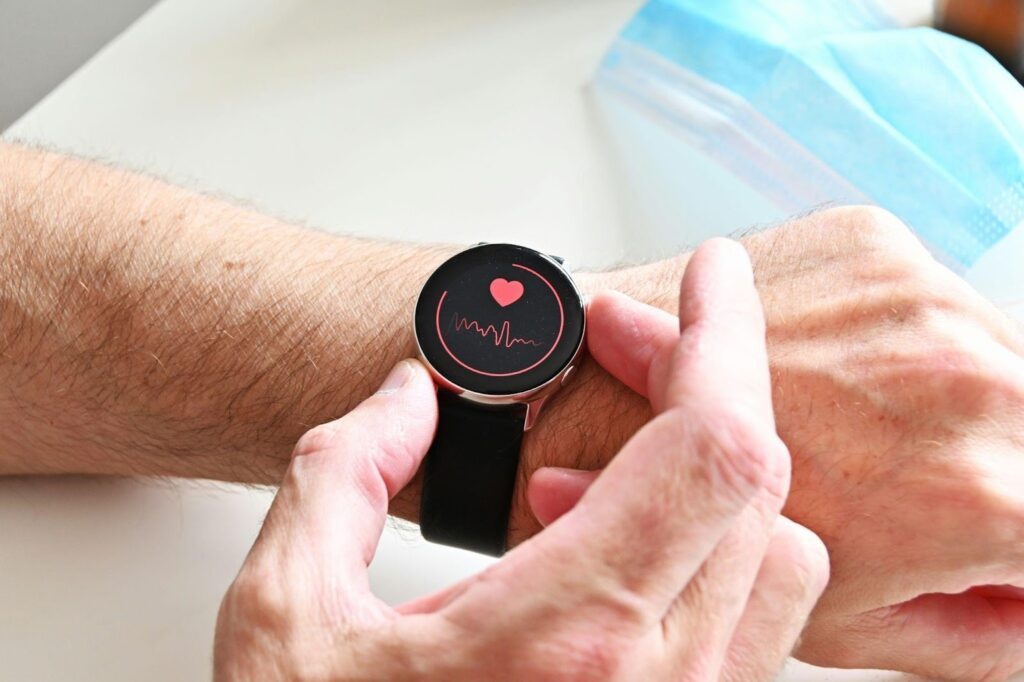
Maintaining strong vascular health, the wellbeing of the body’s network of veins and arteries, is central to overall wellbeing. Often overshadowed by conversations about heart health or metabolic conditions, the vascular system plays a quiet yet essential role in sustaining life’s everyday functions: delivering oxygen, removing waste, supporting tissue repair, and adapting to the body’s changing demands. When arteries and veins remain flexible, unobstructed, and responsive, the risk of chronic conditions such as peripheral artery disease, deep vein thrombosis, or varicose veins declines.
Achieving and preserving vascular wellness is not solely a matter of genetics or age. Daily habits, movement patterns, diet, stress management, and preventive care all influence how well the vascular system functions over decades. Understanding these lifestyle factors helps individuals make informed choices that support long-term circulatory health rather than waiting for symptoms to emerge.
For those seeking specialized assessment and tailored care, providers such as Crosswalk Vein Clinic focus on vascular wellness from both clinical and lifestyle perspectives, integrating care with individualized guidance. Appreciating the link between behavior and blood-vessel function clarifies why certain habits matter and how small changes can yield enduring benefits.
The fundamentals of vascular health
The vascular system consists of an intricate hierarchy of vessels, from robust arteries emerging from the heart to delicate capillaries threading through tissues, supported by a network of veins returning blood to be reoxygenated. Inefficiency, stiffness, or obstruction in any part of this system can reduce circulation and elevate disease risk. Lifestyle choices influence vascular health by affecting inflammation, endothelial function (the behavior of vessel linings), blood pressure regulation, and metabolic balance.
Many vascular changes develop gradually, often without noticeable symptoms until they become significant. Given this asymptomatic nature, proactive attention to circulatory health becomes especially valuable.
Nourishing the vascular system with diet
Nutrition influences vascular health in profound ways. Foods rich in antioxidants, omega-3 fatty acids, and soluble fiber support endothelial function and reduce oxidative stress, a contributor to vessel stiffening and plaque formation.
Foods that are consistently linked to better vascular outcomes include:
- Fruits and vegetables, especially those high in polyphenols and flavonoids
- Fatty fish and plant sources of healthy fats
- Whole grains and legumes
- Nuts and seeds with beneficial micronutrients
Conversely, diets high in processed foods, excessive sodium, and added sugars correlate with higher levels of inflammation, elevated blood pressure, and unfavorable lipid profiles, all factors that strain vessels over time.
The American Heart Association recommends dietary patterns such as the DASH or Mediterranean diet for cardiovascular and vascular health. While these patterns were developed with broad cardiovascular goals in mind, they also reflect nutritional profiles beneficial for maintaining flexible and unobstructed blood vessels.
Physical activity and circulation
Movement is a cornerstone of vascular wellness. Regular physical activity stimulates blood flow, promotes healthy blood pressure, and supports the metabolic processes that reduce plaque buildup and improve vessel elasticity. Walking, running, swimming, cycling, and strength training all contribute to improved circulatory efficiency.
Exercise helps maintain a healthy weight, which itself reduces the mechanical load on the vascular system. It also supports nitric oxide production, a molecule that helps blood vessels dilate and respond dynamically to changing demands.
Moderate-intensity activity most days of the week, combined with periodic higher-intensity intervals for those who are able, fosters a pattern of vascular resilience rather than stagnation.
Smoking, environmental toxins, and vascular harm
Smoking is one of the most damaging lifestyle behaviors for vascular health. Exposure to tobacco smoke introduces chemicals that directly damage the endothelial lining of blood vessels, accelerate plaque formation, and increase clotting risk. Even low levels of exposure raise vascular risk.
Environmental toxins, such as air pollution and particulate matter, also influence vascular behavior. Studies have linked air pollution exposure to increased inflammation, higher blood pressure, and greater incidence of vascular disease. Reducing exposure where possible and supporting lungs with respiratory health practices aligns with vascular care.
Quitting smoking and minimizing contact with airborne toxins can have rapid and measurable benefits for vessel function, even after years of prior exposure.
Stress, sleep, and circulatory regulation
Chronic stress affects the body’s systems in complex ways, including raising blood pressure, altering hormonal balance, and increasing inflammation. Over time, these changes influence vascular behavior, making vessels less responsive and more prone to dysfunction.
Sleep is another essential factor. During restorative sleep, the body regulates blood pressure, balances metabolic hormones, and supports cellular repair processes that maintain vascular integrity. Poor sleep quality or insufficient duration is associated with greater incidence of hypertension and impaired endothelial function.
Strategies that address stress, such as mindfulness practices, time in nature, social support, and intentional rest routines, complement physical and nutritional habits by reducing physiological strain on the circulatory system.
Hydration and vascular flexibility
Adequate hydration supports blood volume, reduces viscosity, and ensures efficient transport of nutrients and waste products. Dehydration concentrates blood and can increase strain on vessel walls, particularly during exercise or in hot climates. Mindful fluid intake helps maintain stable pressure dynamics and supports tissue perfusion.
Water needs vary, but the principle of responsive hydration, drinking in response to thirst and environmental demands, contributes to vascular efficiency.
Weight management and metabolic influences
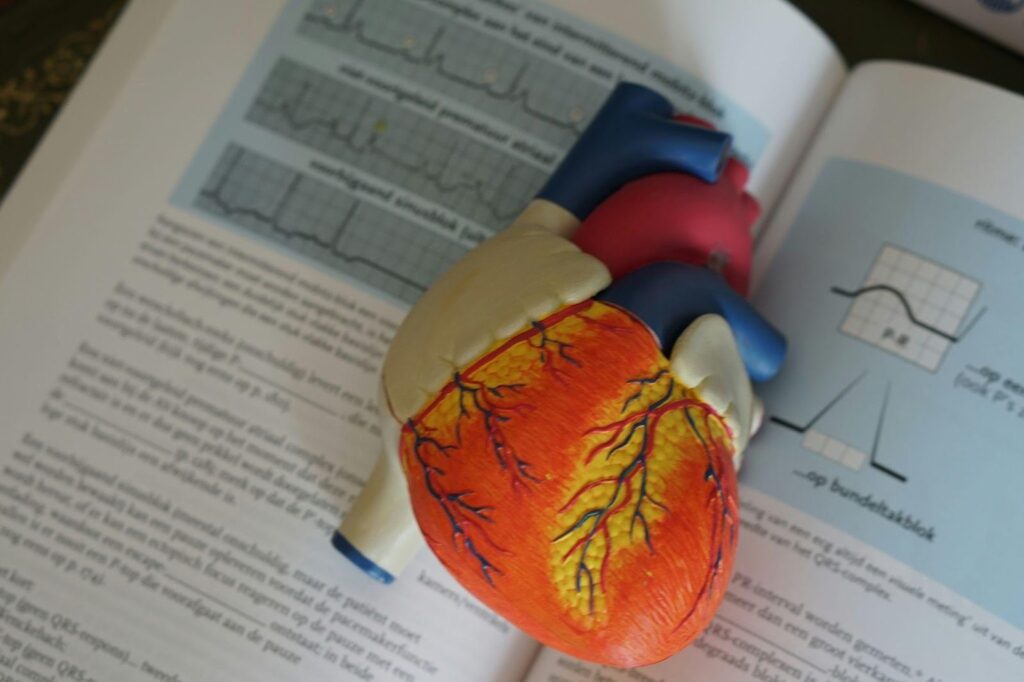
Excess body weight, particularly around the abdomen, correlates with higher levels of inflammation and metabolic dysregulation. These changes stress the vascular system, raising blood pressure, altering lipid profiles, and increasing the risk of insulin resistance. Weight management through balanced nutrition and consistent movement supports both metabolic and vascular health simultaneously.
Rather than focusing solely on a number on the scale, trends in body composition and functional capacity provide more meaningful insight into how lifestyle influences circulatory wellness.
Medications, supplementation, and professional guidance
In some cases, lifestyle changes alone may not be sufficient to achieve optimal vascular outcomes. Clinically validated interventions, such as medications to manage blood pressure or cholesterol, can complement lifestyle strategies. Healthcare providers tailor these decisions based on individual risk profiles, co-existing conditions, and diagnostic information.
Certain supplements, such as omega-3 fatty acids, are associated with vascular benefits, but they work best when integrated into an overall nutritionally balanced pattern rather than as isolated fixes.
Discussing both medications and any supplementation with a clinician ensures that choices align with individual goals and do not interact with other treatments.
Periodic assessment and monitoring
Regular assessments, whether through blood pressure monitoring, lipid profiles, or specialized imaging, support early detection of changes in vascular behavior. Professional evaluation allows individuals to track patterns over time and adjust lifestyle strategies accordingly. For example, changes in resting blood pressure may signal the need for dietary adjustments or a modified exercise plan.
Clinicians trained in vascular health can help interpret findings, frame them in the context of personal risk, and recommend tailored next steps.
Social determinants and health behavior
Lifestyle factors do not occur in isolation from broader social and environmental influences. Access to healthy food, safe spaces for movement, supportive communities, and healthcare resources all shape behavior patterns and health outcomes. Public policy and community planning that prioritize walkable environments, access to fresh food, and equitable healthcare can amplify individual efforts.
Community support systems, whether through fitness groups, educational workshops, or health screenings, reinforce sustainable habits rather than isolated, short-lived efforts.
The interplay of habits over time
Longevity in vascular health reflects consistency as much as intensity. A single nutritious meal, workout session, or night of good sleep contributes to short-term function, but patterns sustained over years shape long-term outcomes. Incremental improvements, such as choosing whole foods more often, adding a walking routine after meals, or prioritizing restorative sleep, accumulate into vascular resilience.
A proactive mindset in vascular care
Lifestyle factors do not guarantee immunity from symptoms or age-related changes. However, evidence shows that behaviors promoting circulation, metabolic balance, and tissue integrity delay the onset of dysfunction, reduce severity when issues arise, and support overall quality of life.
Adopting a proactive rather than reactive approach, one rooted in daily choices and supported by professional guidance, strengthens the vascular system’s adaptability and responsiveness.