
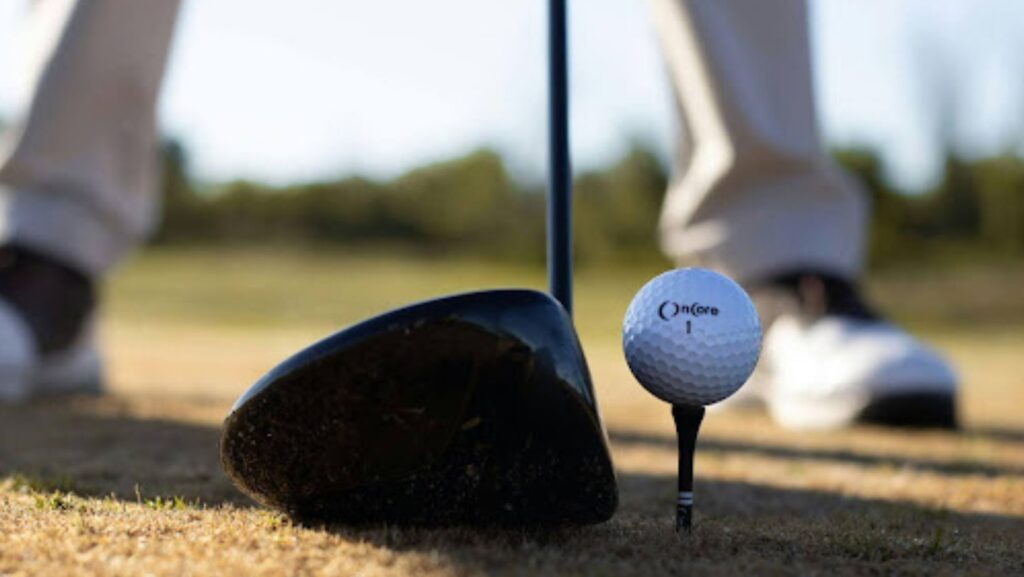
It can be costly to improve in sport. Each season, marketing introduces new equipment and kits, stating they will deliver the best performance due to high-quality materials or new designs. Most amateurs think that they cannot make any progress until they buy everything at once. That is rarely true. Good decisions can be made intelligently and without exhausting a budget. Most players start their careers with second-hand golf clubs, borrowed gear, or entry-level equipment that matches their current skill level.
Skill Improves Faster Than Gear
The equipment is useful, but practice and coaching are the primary drivers of improvement. A better item cannot remedy poor timing, bad technique, and inconsistent decision-making. Most athletes learn faster by building on basic building blocks, then train with equipment that strengthens them.
Inexpensive equipment is usually sufficient for learning because it reduces stress. You are less likely to scratch an expensive item, and when you are not concerned about it, you will use it more. The more it is used, the more feedback it will receive. Constructive criticism brings about enhancement.
Consistency matters too. When you use the same equipment during the learning phase, you learn what you are changing, not what the constant kit changes.
Define Your Real Needs First
The first step towards spending wisely is to identify what is holding you back. Do you have any performance or comfort issues? Do you lack the right size? Are your shoes causing pain? Is your grip slipping? These issues can paralyse development even more than the finest equipment can.
List the three problems that impact the most during the sessions. Then target those issues. An expensive accessory can do little compared to a supportive pair of shoes. A racket or club of the right size can enhance control better than an eye-catching bag. The key to budget buying is that it is not just a vague plan to upgrade; it is tied to specific impediments.
Fit and Set Up Beat Price Tags
The unseen variable of performance is frequently fit. A basic item that fits your body or technique well can perform better than a high-quality item that does not. In golf, consistency is affected by club length, shaft flex, and grip size. In running, shoe fit and support influence injury risk. In team sports, blisters are minimised, and properly fitting boots enhance confidence. In cycling, the brand name is less important than saddle comfort and handlebar reach.
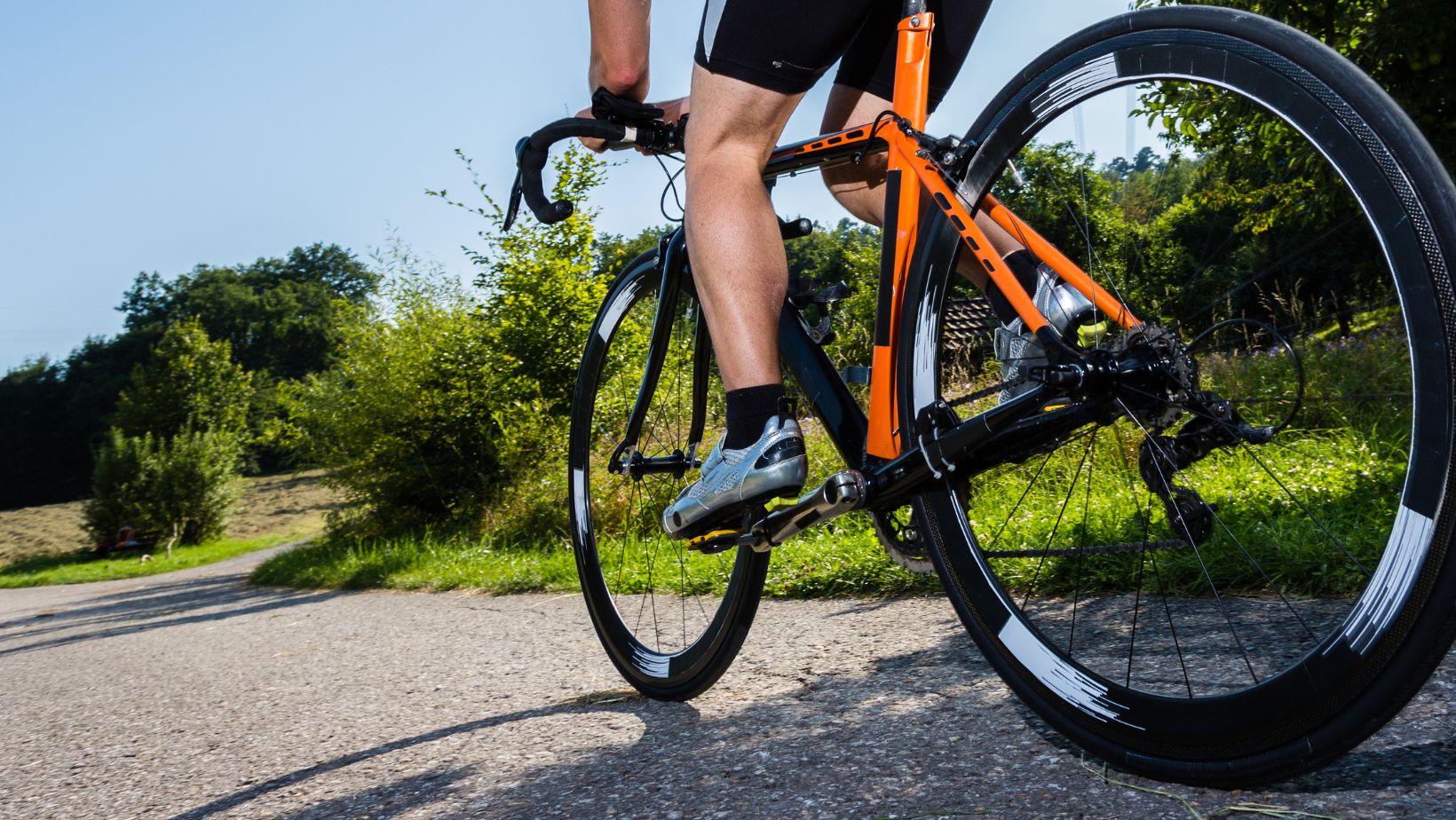
Setup is also part of fit. A properly adjusted helmet provides better protection. Even the simplest bike with basic parts can be ridden comfortably, provided the gears are adjusted. A racket will be different with a new grip and a proper string tension. These enhancements are inexpensive and, in most cases, even more valuable than purchasing a new one.
Second-Hand Buying Can Be A Smart Upgrade
Used gear is not automatically low quality. Many people sell products that are hardly used or no longer beneficial to them. Shopping second-hand may also get you a better quality product at a lower cost, provided you know what to buy.
Inspect wear points. Check for cracks, distorted components, loose fittings, and worn-out materials. Inquire about the past, where applicable. In the case of clubs and rackets, grips and strings are interchangeable; therefore, do not discard a good object just because the grip looks worn out. First, focus on structural integrity.
Step-by-step upgrades are also possible when purchasing second-hand. You do not have to replace everything at once; you can add a single improvement that addresses a real problem and then build on it.
Focus On Durable Essentials
Certain products should be prioritised because they affect comfort and safety. These are necessities that determine whether you can train regularly. Footwear is a common example. Properly fitting, supportive shoes reduce the risk of injury. Protective gear is another. The helmet or guard must be safe and properly fitted. Sweat- and temperature-control clothing could also enhance sessions, as when people feel uncomfortable, they tend to have shorter workouts and less concentration.
Learn What Matters For Your Sport
Any sport has crucial performance aspects. Knowing them will help you make better purchases. Consistency in golf is usually related to the quality of strikes, posture, and decision-making. In football, getting fit, traction, and touch are more than just labels. Control and timing in tennis often outsmart brute force, particularly for amateurs. Proper form and proper development are more important in the gym than brand-name equipment.
Gimmicks can be avoided when you are sure of what is important. Virtues that marketing usually emphasises are those that sound significant but do not make any difference to the majority of the papers. The simple test would ask whether a feature is solving a problem you really have. Otherwise, it can be disregarded.
Use Maintenance To Extend Value
Budget gear is even more of a bargain when well-maintained. Basic routines can lengthen life and safeguard output. Clean items after use. Dry them properly. Change tattered grips, laces and insoles. Fittings should be tightened regularly and inspected for damage. Keep store equipment in a cool, dry place. These measures minimise the replacement expense the ge incurs, keep it steady, and are consistent with maintenance. Working with stable, reliable equipment will allow you to concentrate on technique and focus on pain.
Upgrade With A Clear Plan
Progress should be followed by upgrading. As competence increases, so does the need. An amateur can take advantage of forgiving equipment, while a more advanced player may desire greater control. A competitive amateur might require certain features that suit them.
Milestone-based plan upgrades. For example, for regular training three times a week, it might be worth investing to help sustain it. When you maintain a regular basis, regularity is even more essential; therefore, an upgrade can be considered a step toward perfection. No equipment will eliminate bad days or the need for practice. A definite roadmap keeps expenditure in check.
Progress Is Built On Smart Choices
Competitive improvement can be supported by budget gear in case the buying decisions are considered. Price is not always the most important factor. Second-hand options may be good value, provided they are checked thoroughly. Comfort and safety essentials should be prioritised, as they enable regular training. Maintenance extends lifespan and preserves performance. With a plan and realistic expectations, amateurs can improve without incurring premium fees and, most importantly, enjoy the sport more and retain the skills they gain.