

Food safety problems often begin long before a dish reaches the table. Temperature slips during storage, transport, or prep can quietly compromise ingredients without obvious warning signs.
The cold chain exists to prevent those breakdowns and protect food quality from supplier to service.
What the Cold Chain Means
The cold chain refers to the continuous control of temperature-sensitive food throughout storage, transport, and handling. Refrigeration systems, delivery vehicles, and kitchen equipment work together to keep foods within safe ranges.
Consistency really matters. Why? Because even brief temperature changes can shorten shelf life.
Restaurants engage with the cold chain throughout the day. Deliveries arrive chilled or frozen, walk-ins store bulk inventory, and reach-ins support active service. Each transition introduces risk when equipment capacity or workflow design falls short.
Why the Cold Chain Matters for Food Safety
Temperature control remains one of the most important factors in preventing foodborne illness. Bacteria multiply rapidly between 40°F and 140°F, often referred to as the danger zone. Cold chain management keeps food out of that range.
Improper refrigeration is one of the most common causes of restaurant health code violations. Restaurant operators feel the impact directly through failed inspections, wasted inventory, and loss of customer trust.
Where the Cold Chain Commonly Breaks Down
Cold chain failures usually stem from everyday operational gaps rather than major equipment failures. Busy shifts, staffing shortages, and poor storage layouts can all contribute to gradual temperature drift.
Problems often remain hidden until food quality declines or inspections reveal issues.
Logistics research from Hew Transportation shows that loading delays, overfilled coolers, and inconsistent temperature monitoring frequently disrupt cold chain integrity in food-service environments. Small oversights compound quickly in high-volume kitchens.
Restaurants often encounter trouble in the following areas:
- Accepting deliveries without immediate temperature verification
- Overloading refrigeration units beyond proper airflow limits
- Leaving cooler doors open during peak service periods
Equipment Choices Shape Cold Chain Reliability
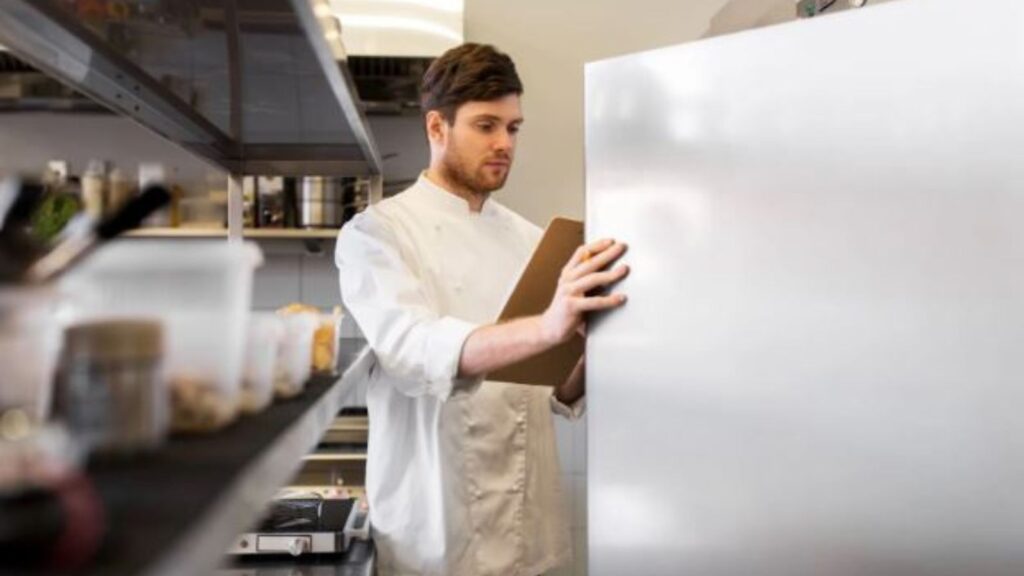
ShutterStock royalty-free image #668821435, ‘cooking, profession and people concept – male chef cook with clipboard doing inventory in restaurant kitchen fridge’ uploaded by user #301539971, retrieved from ShutterStock on January 12th, 2023. License details available at https://www.shutterstock.com/license, image licensed under the ShutterStock Standard Image License
Cold chain performance depends heavily on having the right refrigeration equipment for the menu and service pace. Undersized or poorly configured units struggle to recover temperature after frequent door openings. Recovery speed becomes critical during lunch and dinner rushes.
Many operators improve efficiency by upgrading to fridge freezer combo units for restaurants that separate frozen and refrigerated storage within a single footprint.
Commercial combo configurations are designed to reduce handling steps and limit temperature exposure during service, especially in space-constrained kitchens.
Restaurants using reliable refrigeration paired with continuous temperature monitoring experience significantly lower food waste. Stable temperatures translate into longer shelf life and more predictable prep planning.
Staff Habits Keep the Cold Chain Intact
Equipment alone cannot maintain the cold chain without consistent staff behavior. Training ensures employees understand how daily actions affect food safety. Small habits repeated throughout the day determine whether temperatures remain stable.
Clear procedures support fast decisions during busy service windows. Temperature logs, visible thermometers, and alert systems help teams respond before food becomes unsafe. Structure matters most when pressure is highest.
Why Cold Chain Discipline Pays Off Long-Term
Food waste cuts directly into margins, especially for menus built around fresh or frozen ingredients. Temperature-related spoilage often appears late in the prep process, forcing emergency reorders and menu changes. Strong cold chain control reduces those disruptions.
Reliable refrigeration also lowers maintenance costs over time. Equipment operating within proper temperature ranges experiences less strain and fewer breakdowns. Predictable performance supports smoother service and better purchasing decisions.
Why the Cold Chain Deserves Daily Focus
The cold chain influences food safety, quality, and profitability every day. Strong cold chain habits support safer kitchens and more consistent service.
Restaurants reviewing their refrigeration strategy should consider how storage flow, equipment selection, and staff routines work together to protect the cold chain.
As an operator seeking practical improvements, you should explore specialized cold storage options, such as those from Restaurant Supply, for guidance aligned with real-world kitchen demands. You should also check out more articles like this on our blog.