

For many adults with developmental disabilities, everyday life is shaped by routines, relationships, and environments that either support growth or quietly make things harder. Yet the word “support” is often misunderstood. It’s frequently associated with paperwork, eligibility determinations, appointments, or formal plans—important pieces, but far from the whole picture. Real support is not something that happens once a week in an office or appears only in reports. It is something lived, felt, and experienced every day.
Supporting adults with developmental disabilities means understanding how small, consistent actions shape confidence, emotional regulation, and independence over time. Real support shows up in predictable mornings, patient guidance during challenging moments, and trusted relationships that allow people to feel safe enough to grow. In everyday life, support is less about systems on paper and more about how those systems are translated into human connection and structure.
Support Beyond Appointments and Paperwork
Formal services play an important role in the lives of adults with developmental disabilities, but they are only one part of the equation. Appointments, evaluations, and plans can outline goals, yet they do not automatically translate into progress. What truly makes a difference is what happens between those formal moments.
Lived support is about consistency and presence. It’s about having familiar people who understand an individual’s communication style, triggers, strengths, and preferences. When support is consistent, adults with developmental disabilities don’t have to re-explain themselves or constantly adjust to new expectations. This continuity creates emotional safety, which is the foundation for learning and growth.
Isolated interventions — even well-designed ones — often fall short when they are disconnected from daily life. Progress happens when support is woven into everyday routines: during meals, activities, conversations, and transitions. This is where support services for adults with developmental disabilities move from being abstract concepts to meaningful experiences that actually improve quality of life.
A Day Structured Around Ability, Not Limitations
One of the most powerful forms of support is structure. For adults with developmental disabilities, predictable routines are not restrictive — they are freeing. Knowing what comes next reduces anxiety, builds trust in the environment, and allows individuals to focus their energy on participation rather than uncertainty.
A day structured around ability recognizes what a person can do and builds from there. Tasks are adapted, not removed. Expectations are realistic, not lowered to the point of disengagement. This approach sends a clear message: you are capable, and you are supported.
Emotional safety grows when days are predictable and environments are stable. Over time, this stability allows individuals to take healthy risks — trying a new activity, initiating a conversation, or managing a task more independently. Within an integrated system of services for developmental disabilities, structure is not a label or a checkbox; it is the framework that makes growth possible in real life.
The Role of Professionals in Everyday Progress
In effective support environments, professionals are not controllers or enforcers. They are guides. Their role is to observe, listen, and adjust support in ways that respect autonomy while providing necessary assistance.
Building trust through daily interaction is essential. Trust is developed when staff respond consistently, follow through on what they say, and respect personal boundaries. Adults with developmental disabilities are highly sensitive to tone, predictability, and authenticity. When professionals show up as reliable partners rather than authority figures, individuals are more likely to engage, communicate, and try new things.
Positive behavior support for adults with developmental disabilities is a key part of this approach. Rather than focusing on correcting behavior, positive behavior support seeks to understand it. It looks at what a behavior communicates and how the environment can be adjusted to reduce stress and increase success. Over time, this builds self-regulation, emotional awareness, and confidence — skills that extend far beyond any single setting.
Why Small Daily Wins Matter More Than Big Goals
Big goals are often motivating for organizations, but for individuals, progress usually happens through small, repeated successes. Independence does not arrive all at once. It grows through everyday moments: completing a routine, making a choice, managing frustration, or asking for help appropriately.
These small wins matter because they build emotional resilience. Each success reinforces the idea that effort leads to positive outcomes. Over time, repetition turns skills into habits, and habits into independence. This process cannot be rushed, and it cannot be forced.
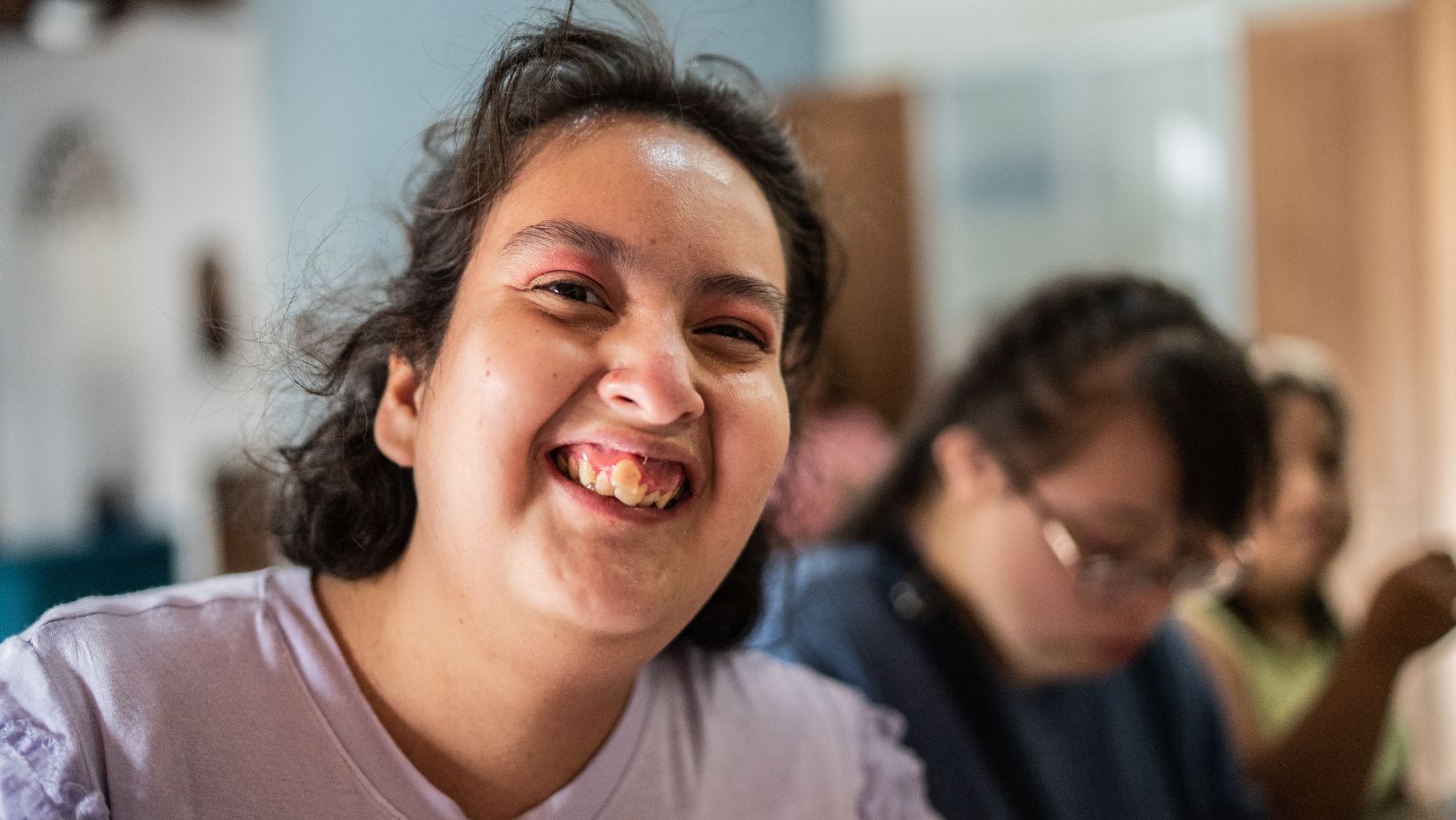
For adults with developmental disabilities, emotional regulation is closely tied to confidence. When people feel capable and supported, they are better able to manage stress, adapt to change, and engage socially. Support services for adults with developmental disabilities are most effective when they recognize that progress is cumulative and deeply personal, not something measured only by milestones.
How Gateway Counseling Center Redefines Everyday Support
Gateway Counseling Center understands that real support is not about visibility or marketing — it’s about impact. The work that matters most often happens quietly, in the consistency of daily routines and the strength of long-term relationships.
As a stable and trusted environment, Gateway Counseling Center focuses on creating spaces where adults with developmental disabilities feel safe, understood, and respected. Support is individualized, flexible, and grounded in real-life experiences rather than abstract models. Staff members prioritize presence over performance, knowing that trust and familiarity are the true drivers of progress.
Rather than promoting programs as one-size-fits-all solutions, Gateway Counseling Center emphasizes continuity and human connection. This approach allows individuals to grow at their own pace, supported by people who genuinely know them. The result is not just participation, but meaningful engagement — an everyday life shaped by dignity, structure, and opportunity.
Real support doesn’t need to be loud to be effective. It needs to be consistent, thoughtful, and rooted in understanding. In everyday life, that kind of support changes everything.