

Suffering a personal injury is hard enough without feeling like a number.
In 2023, 62 million Americans received medical treatment for preventable injuries. Millions of Americans suffering through the same process of pain, recovery and rehab, and working to get their lives back to normal.
But here’s the issue:
Medical treatment is just that: focused on the specific injury you suffered. But how about the mental impact of the injury? The stress and emotional trauma? The changes in your lifestyle that come with being injured?
Enter holistic health. For more information click on mva physiotherapy.
Contents
- What Is Holistic Health Anyway?
- Why Traditional Treatment Isn’t Enough
- The Mind-Body Connection to Recovery
- Holistic Approaches That Work
- Creating a Holistic Recovery Plan
- Working with Your Personal Injury Legal Team
- The Bottom Line on Holistic Recovery
What Is Holistic Health Anyway?
Holistic health isn’t a trendy buzzword. It’s a complete approach to wellness that treats you as a whole person instead of just addressing your symptoms.
Imagine this: You break your arm. Standard medical care sets the bone and that’s it. Holistic care sets the bone and also addresses the stress of injury, lack of sleep, and other lifestyle factors that influence your recovery.
For personal injury victims, the holistic approach makes a huge difference in recovery time and quality of life. After an accident or injury, working with a lawyer who understands personal injury law to get the legal resources you need is important. But physically and mentally healing from your injury is just as vital to resuming normal life.
Holistic health means taking into account your physical injuries, emotional well-being, nutrition, sleep quality, stress levels, and social support. All of these factors are connected and affect your recovery.
Why Traditional Treatment Isn’t Enough
Listen, I’m not saying to abandon traditional medical treatment. Surgery, medication, physical therapy– all of that is obviously essential for healing after an injury.
But what they lack is an understanding of the emotional trauma that comes with being injured. The worry about work, the depression that sets in after months of recovery…all of these things take a massive toll on your mental health.
That mental anguish can slow physical healing as well. Mind and body are interconnected in ways that are still being explored by science.
Studies show mindfulness meditation led to a significant decrease in chronic pain and psychological distress among orthopedic patients. Real, tangible results from working on the mental side of injury.
The Mind-Body Connection to Recovery
The human brain is an amazing thing. It’s the control center for your body and is constantly interacting with every system in your body.
When you’re stressed, your body releases a hormone called cortisol. Cortisol has a ton of different effects, but one of the big ones is inflammation.
Inflammation is a natural part of healing, but when you’re dealing with an injury, it can make things worse. Chronic inflammation leads to slower healing, more pain, and a longer recovery time overall.
Your mind and body are connected, which is where holistic health comes in.
Stress reduction techniques like meditation, deep breathing exercises, and yoga lower cortisol levels in your body. This helps create an environment where healing can occur faster and more completely.
Better sleep is another biggie. Injuries often lead to disrupted sleep due to pain, stress, and even medication side effects. Holistic approaches to healing focus on improving sleep quality naturally, which is one of the biggest factors in speeding up healing and reducing pain.
Think of how awful you feel when you get a bad night’s sleep. Now imagine trying to recover from a serious injury while sleeping like crap for weeks or months at a time.
Holistic Approaches That Work
Ok, so let’s talk specifics. What actually works?
Physical Therapies Beyond Physical Therapy
Standard PT is awesome, but things like acupuncture for pain, massage for circulation, chiropractic care for alignment, and gentle movement like tai chi or therapeutic yoga work wonders alongside traditional treatment.
Nutrition is Medicine
What you put in your body matters. Eating anti-inflammatory foods like fruits and veggies help with swelling and pain. Protein repairs tissues. Vitamins and minerals support healing. Supplements like turmeric, fish oil, and vitamin C can help if needed.
Your body is literally rebuilding after an injury. Give it the building blocks it needs.
Mental Health Support
Probably the most neglected piece of recovery. Holistic health includes counseling or therapy to process trauma, mindfulness practices for pain management, support groups to prevent isolation, and stress management for day to day life.
This isn’t about being weak. This is smart recovery strategy that results in better outcomes.
Energy and Alternative Healing
Energy healing (think: reiki), guided imagery for healing, aromatherapy for pain, biofeedback to control pain responses. Some people respond to this stuff, some don’t. But for those who do, it’s legit.
Creating a Holistic Recovery Plan
Ok, how to actually do this:
Build your foundation. Do everything your doctors tell you. Take your meds. Go to PT.
Holistic health is just an add-on to standard care. It doesn’t replace traditional treatments.
Add one thing at a time. Don’t go crazy trying to do all of this at once. Sleep and nutrition are easy places to start.
Keep track of your progress. Notes on what helps and doesn’t will help you hone in on what’s right for your body.
Build a team. This might include your regular doctors and then a nutritionist, counselor, acupuncturist, etc. Make sure they can all talk to each other.
Working with Your Personal Injury Legal Team
Personal injury law is there to help you get compensation for medical costs, lost wages, and pain and suffering. 95% of all personal injury cases settle out of court, so most people who suffer from these injuries can focus on recovery instead of fighting a long legal battle.
A good personal injury attorney gets that full recovery means more holistic approaches, which can mean more medical costs in the short term. But these methods mean better long term outcomes, which will be reflected in your final settlement.
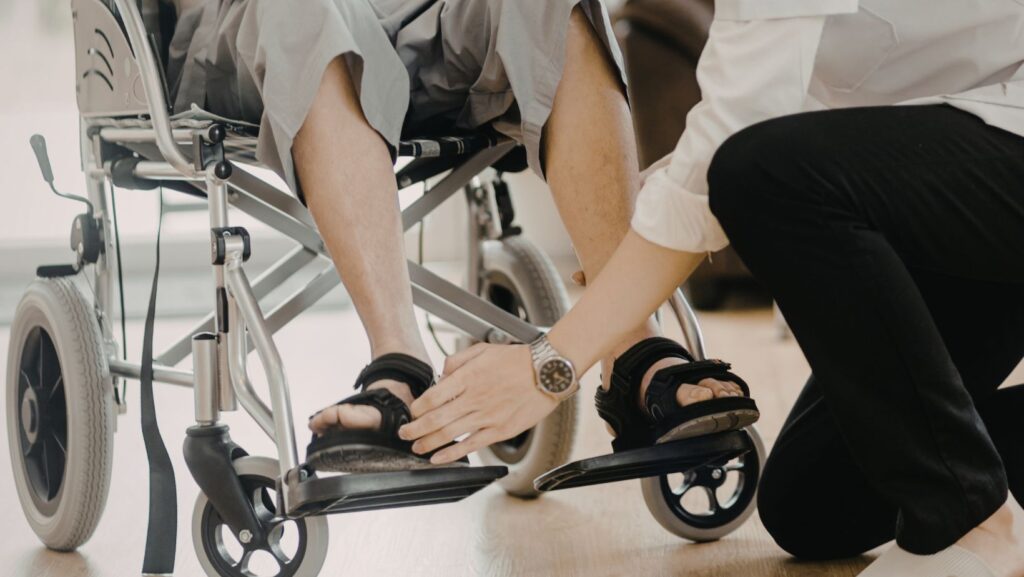
Track everything related to your recovery. Traditional medical treatments, holistic therapies, how each approach helps or hurts your quality of life, and general progress notes. Documenting all of this will both help your case and make sure you get reimbursed for all recovery-related expenses.
The Bottom Line on Holistic Recovery
Recovering from a personal injury isn’t cookie cutter. A standard medical approach is just that: standard.
Mixing traditional care with holistic health practices is your best chance at full healing. You’re not just repairing what got broken. You’re rebuilding your health from the ground up.
People who take a comprehensive approach to healing tend to get better faster, have less chronic pain and suffer fewer setbacks, and return to a higher quality of life than those who only focus on physical symptoms.
The injury happened. You can’t change that.
But you can take control of your healing.
Consider a holistic approach to your health as part of that healing. Work on your mind, body, and spirit as a connected system instead of separate parts. Find practitioners who take the time to see you as a whole person, not just a collection of symptoms.
Real healing isn’t just returning to how you were before the injury. It’s building a foundation for long-term health moving forward.
That’s the power of holistic health in personal injury recovery.