
Struggling to find the right sleep apnea treatment that works for you? Well, you’re not alone…
Choosing the right sleep apnea treatment can be daunting. Options abound, the advice you find all over the place is often conflicting, and to make matters worse – it’s all shrouded in a bunch of confusing medical mumbo jumbo.
Here’s the problem:
Over 80% of the people with sleep apnea don’t even know they have it. And among those that do get diagnosed, it’s not uncommon to feel lost in a vast sea of treatment options that don’t seem to be able to meet your lifestyle needs.
But here’s the good news…
Believe it or not, there are more sleep apnea treatment options today than ever before. Between traditional CPAP machines and new oral appliance therapy options, not to mention new medications on the horizon – you can find a treatment plan that works well for your lifestyle.
The key is simply knowing which one is right for YOU.
In this comprehensive guide to sleep apnea treatment services, you’ll find everything out clearly and simply for you so that you can make the best decisions for your long-term health. Whether you’re looking at online sleep apnea treatment or traditional, in-person care – understanding your options is the most important step.
What you’ll discover:
- Understanding Your Sleep Apnea Treatment Options
- CPAP Machines: The Gold Standard (But Not For Everyone)
- Alternative Treatments That Actually Work
- How To Choose The Right Treatment For Your Lifestyle
Understanding Your Sleep Apnea Treatment Options
Before jumping into talking about specific sleep apnea treatment options and services, there’s something important that needs to be covered…
Not all sleep apnea is created equal.
26% of adults between the age of 30-70 have some form of sleep apnea, but the right treatment looks different for everyone.
The most common form is called Obstructive Sleep Apnea, or OSA for short. This is when your airway gets partially or fully blocked during sleep. But there’s also a different kind called Central Sleep Apnea that happens when your brain “forgets” to tell you to breathe.
Here’s what matters most:
Getting an accurate diagnosis is step one. Until you’re certain about what you’re dealing with, you can’t make the best decisions about treatment.
CPAP Machines: The Gold Standard (But Not For Everyone)
CPAP machines are the most common form of sleep apnea treatment for a reason…
They work.
If people actually use them.
CPAP machines deliver a constant stream of air through a mask to hold your airway open all night. Research has shown that 80% of people that are compliant with CPAP therapy see dramatic improvements in their sleep apnea.
But here’s the issue…
Only 30-60% of CPAP users stick with treatment long term. That’s a huge problem.
Why don’t so many people use CPAP?
- The mask feels uncomfortable or claustrophobic
- The air pressure is too strong or too weak
- They travel frequently and don’t want to carry the machine around
- Their partner complains about the noise
- They simply can’t get used to sleeping with something on their face
Bottom line?
CPAP is fantastic…if you can tolerate it. If you’re among the millions of people who struggle with CPAP compliance, that’s okay! There are other options.
Alternative Treatments That Actually Work
Ready for some good news?
CPAP is far from your only option. In fact, there are several other treatments that are effective and much easier to be compliant with for many people.
Oral Appliance Therapy
This may be the best kept secret in sleep apnea treatment.
They look just like a custom mouthguard that you wear while sleeping. Oral appliances work by shifting your jaw forward just enough to keep your airway open.
Here’s what’s amazing about oral appliances:
Up to 90% of people are compliant with oral appliance therapy vs only 30-60% for CPAP! That’s a massive difference.
They’re great if you travel often, feel claustrophobic with masks, or have mild to moderate sleep apnea.
Positional Therapy
If you only have sleep apnea when you sleep on your back, positional therapy may be all you need. Special pillows, positional devices, or even simple apps can train you to sleep on your side.
Surgery and New Medications
Surgery works best for people with specific anatomical issues. Options include removing throat tissue or inserting small devices that stimulate the tongue muscle.
Here’s the exciting part…
FDA approved new medications like tirzepatide for sleep apnea in 2024. These drugs promote weight loss that can lead to dramatic improvements.
How To Choose The Right Treatment For Your Lifestyle
And here’s the truth no one tells you…
The “best” treatment is the one that you’ll actually use consistently.
Doesn’t matter if CPAP is the gold standard treatment if you hate wearing the mask and stop using it after two weeks. A “less optimal” treatment that you use every night is going to produce far better results.
Consider Your Sleep Apnea Severity
- Mild sleep apnea: Oral appliances, positional therapy, or lifestyle changes could be enough
- Moderate sleep apnea: CPAP, oral appliances, or combo treatments often work well
- Severe sleep apnea: CPAP or surgery is usually necessary, though oral appliances might work for some
Think About Your Lifestyle
Do you travel frequently for work? An oral appliance is better than carrying a CPAP through airports.
Are you claustrophobic? Surgery or oral appliances might work better than masks.
Do you share a bed with a partner? CPAP can be noisy. Combining masks with earbuds can help.
Start With Professional Guidance
The most important thing you can do is get a proper sleep study and professional guidance. Sleep apnea treatment services and sleep specialists can help you explore your options and decide what’s best for your specific situation.
A good sleep specialist will figure out the exact type and severity of sleep apnea you have, explain all your options clearly, and help you decide based on your lifestyle and preferences.
Making Treatment Work Long-Term
Here’s the secret most people don’t realize…
Starting treatment is easy. Sticking with it is the hard part.
About half of people prescribed CPAP machines only use them for less than 4 hours a night. That’s nowhere near enough to get significant benefits.
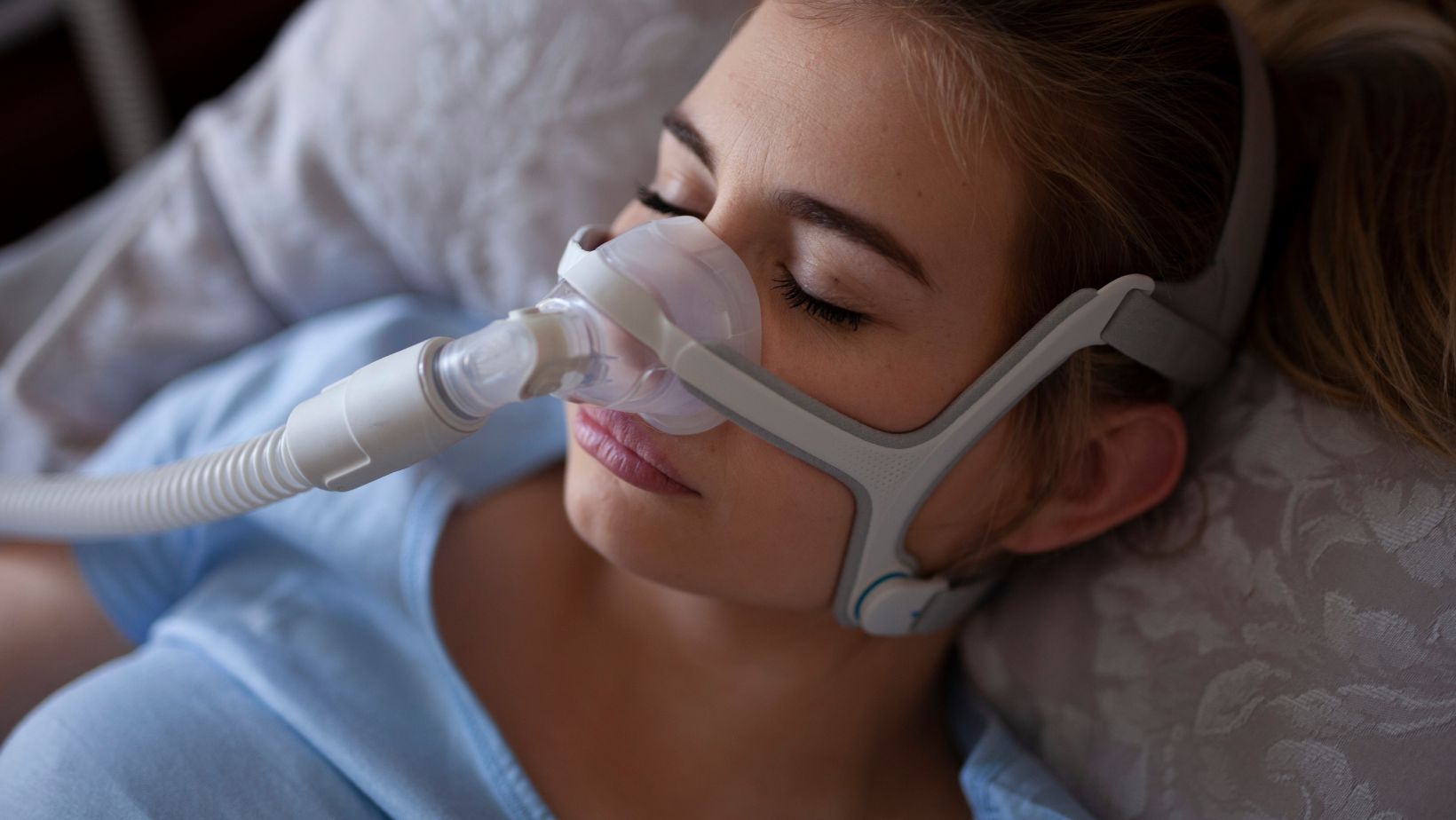
Whatever treatment you choose, the key to making it work long term is developing a routine, finding support, being patient, and staying flexible if one approach isn’t working.
The Future of Sleep Apnea Treatment
Sleep apnea treatment is changing quickly, with the recent addition of smart watches that can detect sleep apnea, AI-powered automatic adjustments, and exciting new combo therapies.
But for now, in 2024, there are a wide variety of treatments that are proven to dramatically improve your sleep and health. The key is finding the right one for you, and committing to it.
Wrapping It All Up
When you’re choosing the right sleep apnea treatment, the whole process doesn’t have to be as overwhelming as it may feel.
Here’s what to remember:
- CPAP is great but isn’t your only option
- Oral appliances have much higher compliance rates and work for many people
- Your lifestyle is just as important as sleep apnea severity
- The best treatment is the one that you’ll actually use long-term consistently
- Professional help makes all the difference
Don’t let sleep apnea control your life.
With the right treatment, you can sleep better, feel more energized, and protect your long-term health. The first step? Get tested and work with a qualified sleep specialist who can guide you through all your options.