
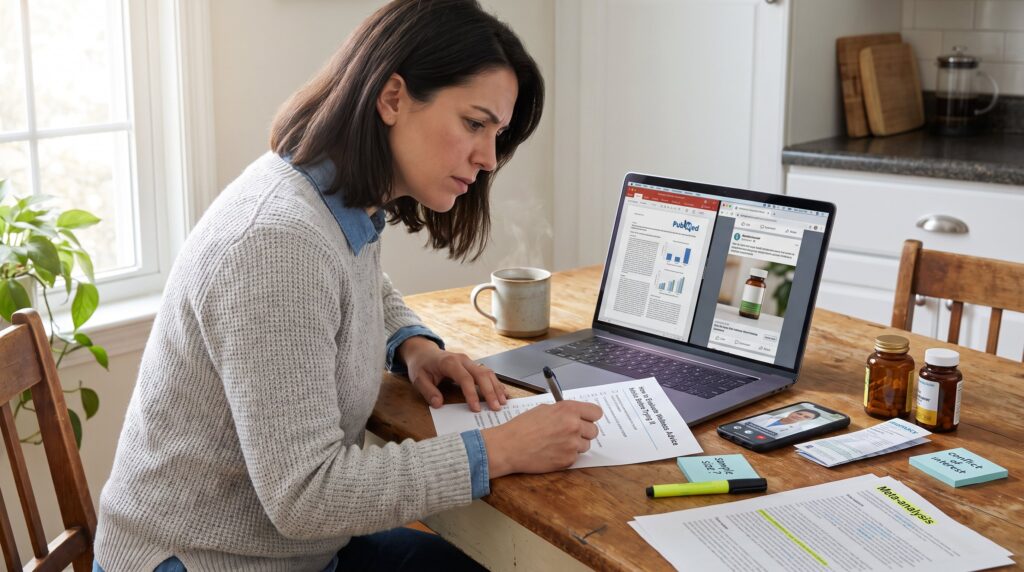
How to evaluate wellness advice before trying it starts with a clear, fast filter. Readers encounter headlines, social posts, and product pages every day: some advice helps, much of it misleads. This article gives a practical, step-by-step approach so they can spot bias, check evidence, and avoid unsafe choices. It shows what to look for in sources, how to read studies, and which personal risks to weigh. The goal: safer decisions, less wasted money, and fewer health setbacks.
Key Takeaways
- Evaluating wellness advice carefully helps prevent harm, financial loss, and health setbacks by identifying credible, safe options.
- Check the author’s credentials and motives to distinguish expert advice from commercial bias or unverified claims.
- Prioritize high-quality evidence like randomized trials and systematic reviews over testimonials or small studies when assessing wellness claims.
- Be alert to study red flags such as small sample sizes, lack of control groups, and industry funding that may skew results.
- Always assess safety, potential drug interactions, and personal health conditions before trying new wellness advice.
- Use a checklist approach: verify the source, spot conflicts of interest, evaluate evidence quality, screen studies quickly, consider safety, and consult a clinician if unsure.
Why Evaluating Wellness Advice Matters Before You Try It
Fact first: evaluating wellness advice reduces the chance of harm, wasted money, and delayed care. Many people follow a trendy supplement, fad diet, or online therapy tip that sounds convincing until side effects, interactions, or no results appear. For example, a 34-year-old who started a high-dose herbal regimen felt immediate stomach pain and missed two days of work before consulting a pharmacist. That concrete cost, pain, time off, and an unplanned pharmacy visit, is avoidable with simple checks.
Good evaluation protects against three predictable problems: commercial bias (someone profits), weak evidence (anecdote masquerades as proof), and personal mismatch (a recommendation that ignores medications, allergies, or age). Readers at TheHealthyPrimate often juggle exercise, sleep, and nutrition: misapplied advice can undo progress. This section sets the stage: when a claim promises big, fast change, it demands a disciplined look before trying it. The rest of the article explains how.
Assess The Source And Credentials
Answer up front: check who wrote the advice and why. A qualified source is a licensed clinician, registered dietitian, pharmacist, or a researcher with relevant publications. A social post by an influencer who sells a product is not the same as guidance from a clinician.
Look for clear credentials: medical degrees, RD, PharmD, or university affiliation. Verify those claims by searching the institution’s staff directory or PubMed for the author’s papers. If the author lists no credentials, treat the advice as anecdote. Also confirm whether the content falls inside the person’s scope of practice, a fitness coach can recommend workouts but should not provide complex medication guidance.
Practical check: pause and ask three quick questions before trusting a piece of advice, who wrote it, where are they employed, and do they earn from the recommendation? If any answer is unclear, treat the recommendation as unverified.
Spot Conflicts Of Interest, Commercial Bias, And Motivations
Fact first: commercial incentives change the shape of advice. When a page links to a product, uses discount codes, or carries sponsored labels, a profit motive exists. That motive doesn’t automatically invalidate the information, but it raises the bar for evidence.
Look for disclosures, affiliate statements, and sponsorship notes. If a blogger recommends a supplement and also lists an affiliate link, they might emphasize benefits and minimize risks. A real-world example: one reviewer praised an herbal sleep product for two weeks without mentioning the company that paid for a week-long paid trial. That missing detail biased the report.
Action steps: require evidence beyond testimonials for anything sold by the source. Prefer guidance that cites independent trials or clinical guidelines. If the recommendation comes bundled with a product sale, seek a neutral review or clinical source before trying it.
Related reading within the site explains how to pick durable items and avoid marketing traps: readers can compare claims with suggestions on how to choose quality wellness products that last by exploring the site’s guidance on product selection.
Evaluate The Evidence Behind The Claim
Straight answer: prioritize randomized trials, systematic reviews, and clinical guidelines over testimonials and small studies. The strength of evidence determines how much risk a person should accept.
Key evidence hierarchy: systematic reviews/meta-analyses at the top, then randomized controlled trials (RCTs), cohort studies, case-control studies, and finally case reports and anecdotes. A claim backed only by testimonials or an influencer’s personal story sits at the bottom and needs skepticism.
Concrete tip: when a source cites a study, check these details, sample size, control group, outcome measured, study length, and funding. A 12-week RCT with 1,200 participants that measured clinical outcomes is far more persuasive than a two-week pilot with 15 volunteers. If the paper is paid for by a company that sells the tested product, treat results cautiously and look for independent replication.
To verify how to judge online health information, readers can consult a concise overview on reliable sources and evaluation methods with practical criteria from a trusted health resource.
How To Read Studies, Reviews, And Recognize Red Flags
Immediate insight: not all published studies are equal: some hide design flaws. Scan abstracts for these red flags: tiny sample sizes (under 50), no control group, short durations, subjective outcomes only, or surrogate markers that don’t reflect real health benefits.
Examples of red flags: a weight-loss trial reporting average loss of 1 kg over seven days: a supplement study funded and authored by company employees: or a mental health intervention measured only by a non-validated survey. Each suggests weak or biased evidence.
Practical steps to read a paper quickly: confirm the sample size in the methods, find the comparison (placebo or standard care), and note the primary outcome. If results are statistically significant but clinically tiny, say a 1% change in a lab value, ask whether it matters for daily life. For mental health content specifically, readers should also check the author’s qualifications and whether independent replication exists.
If ambiguity remains, cross-check with clinical guidance or a summary from a neutral source before acting.
Consider Safety, Interactions, And Whether It Fits You
Direct answer: always assess safety profile, drug interactions, and personal suitability before trying new wellness advice. Even natural products cause harm, e.g., St. John’s wort reduces effectiveness of many medications, including some antidepressants and contraceptives.
Check side effects, contraindications for pregnancy or breastfeeding, and interactions with chronic medications. A simple step: consult a pharmacist or clinician with the exact supplement name or protocol. For those who take multiple drugs, a pharmacist’s interaction check can reveal serious risks.
Personal fit matters: age, kidney or liver disease, immune status, and allergies change whether a recommendation is safe. A detox plan that involves extended fasting may be risky for someone with diabetes. Likewise, an intense HIIT program can injure a person with uncontrolled hypertension.
Site tools and testing can help personalize decisions. For example, at-home testing and blood insights can clarify nutrient gaps or markers that influence safety and usefulness. Readers who want to check baseline markers before trying a major change may compare options on the site’s practical discussion of at-home blood tests.
When in doubt, the right move is confirmation with a qualified clinician who knows the person’s full medical history.
Conclusion: A Simple Step-By-Step Evaluation Checklist To Follow
Immediate checklist: 1) Identify the author and credentials. 2) Flag any commercial ties. 3) Find the highest-quality evidence cited. 4) Rapidly screen studies for sample size and design. 5) Check safety, interactions, and suitability. 6) Confirm with a clinician when necessary.
A final practical note: readers who want a guided starting point for balanced health information and related coverage across nutrition, exercise, and wellness can consult a short site primer for context and reliable content. Those building a routine may also compare targeted habits, sleep guidance, and exercise plans available on the site to see how new advice fits long-term.