
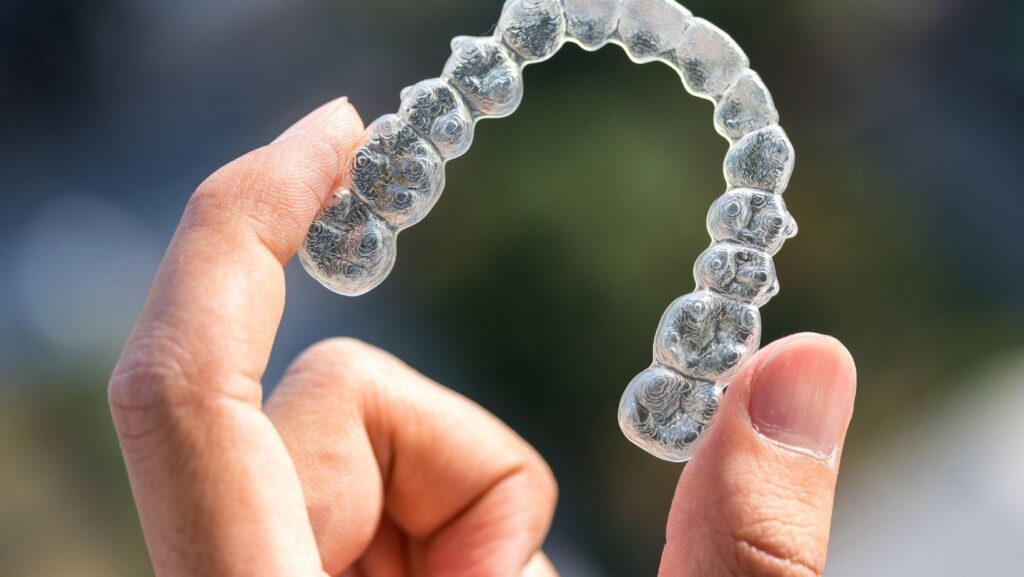
Are all removable retainers the same? The short answer is no. Some retainers are comfortable, clearer, and more durable. While others may lose fit, crack or become less effective much sooner than expected. In post-orthodontic care, the retainer material you choose will influence how well the treatment goes.
Why does the right retainer material matter?
Retainers are not only about holding teeth in place. The material will affect retention, patient comfort, wear compliance, and long-term maintenance. A well-chosen retainer sheet can support stability, reduce remakes, and improve patient experience.
A good retainer material can help:
- Keep teeth in position for longer
- Patient compliance will improve, because it feels more comfortable and less noticeable
- Less breakage and remake cycles
- Less hygiene concerns. Offering a smoother and easy-to-clean surface
These benefits will matter because retention is the final step that will protect the outcome of orthodontic treatment.
Why retainer materials behave differently
If retainer material performed the same way, choosing either one would be simple. Materials vary in thickness, rigidity, clarity, heat resistance, and handling during the fabrication process.
Some retainers are thicker and more rigid. These may provide stronger retention. But they can also feel less comfortable for some patients. Others are thinner and more flexible. It may be easier to wear, but they may not hold the shape as well over time.
Heat resistance is another important factor. Some retainer materials may be distorted when exposed to warm temperatures. Such as hot drinks or a hot car. Even small changes in shape can affect fitness and reduce effectiveness.
What matters in daily use
In everyday practice, retainer material selection affects more than just how the appliance looks on day one. It affects how the retainer will perform after weeks and months of use.
A strong retainer material should:
- Maintain its shape
- Stay comfortable enough for regular use
- Resist cracking or warping
- Remain clear or aesthetically acceptable
- Be easy for the lab to fabricate consistently
When these factors are in balance, the retainer is more likely to be worn regularly and work as intended.
Why does lab performance matter
Retainer material selection is not only a clinical decision. It is also a manufacturing decision. Some materials are easier to work with in the lab and produce more predictable results during thermoforming. Others require tighter control and more attention during the process.
For dental labs and orthodontic brands, this matters because consistency will affect turnaround time, quality control, and patient satisfaction. A material which performs well in the lab can help reduce errors and improve the workflow.
How to choose the right retainer material
There is no single retainer material that is best for every patient. The right choice will depend on the clinical case, the habits of patients, and the outcome that needs to be maintained.
When selecting material, consider:
- How long the patient will need to wear the retainer
- Whether the patient will value the clarity and the look
- How well the patient follows instructions
- How much durability is needed for the case
- How the material will perform in the lab
When you work closely with the lab, you can easily identify which materials produce the most reliable results. It is also useful to stay aware of newer materials entering the market, as options will always continue to evolve.
Why do people choose Taglus retainer sheets?
A retainer only works if it stays in shape and stays worn. Taglus Tuff is described as having a strong break resistance and enough yield strength. This helps retain the tooth position. This makes it appealing for practices that are looking for a material with predictable performance in everyday use.
The material is also promoted as a crack resistant, even if used for a long time in ideal cases. This is important because a retainer which breaks too early will lead to more remakes, more follow-up, more cost for both the clinic and the patient.
Conclusion
Retainer sheet material selection deserves more attention than it often receives. It will directly affect retention, comfort, appearance, and durability. All of this will influence whether patients continue wearing the retainer as advised. Choosing the right material can reduce remakes, have better compliance, and help the results last longer. A good retainer material is not just a finishing step but an important part of the post orthodontic care.