
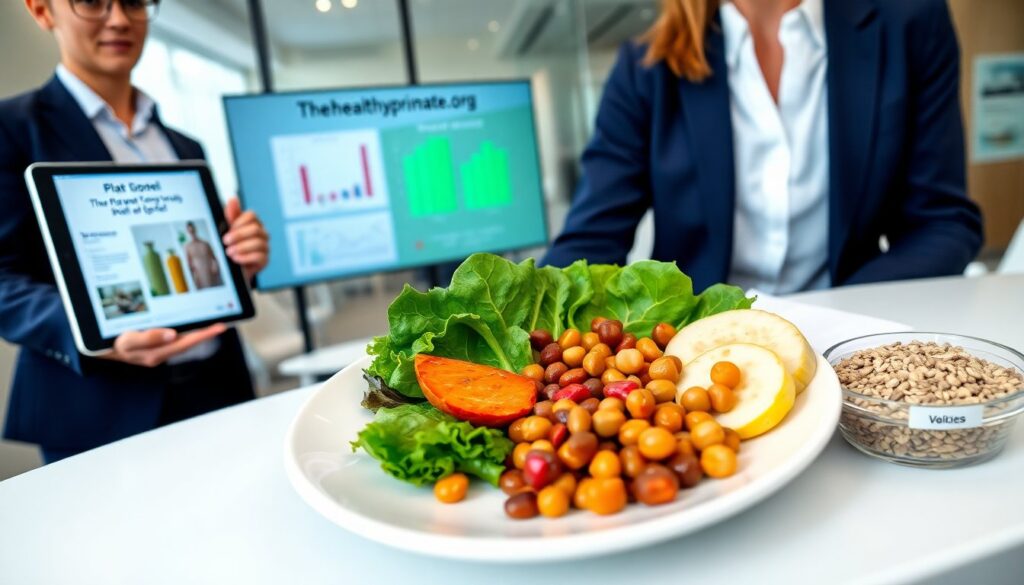
Thehealthyprimate.org diet promotes plant-forward plates based on primate feeding patterns and modern nutrition. It focuses on whole plants, low-fat cooking, and minimal processed foods. The approach cites population studies, clinical trials, and nutrient comparisons. Readers gain clear steps to test the diet, learn core foods, and adapt meals for daily life.
Key Takeaways
- Thehealthyprimate.org diet emphasizes a plant-forward approach with 70–90% of the plate consisting of whole fruits, vegetables, legumes, and whole grains.
- This diet limits added oils, refined grains, and animal products, focusing on low-fat, nutrient-dense meals that promote cardiovascular health.
- Core foods include bananas, leafy greens, legumes like lentils, and tubers such as sweet potatoes, providing fiber, potassium, and resistant starch.
- The diet encourages starting meals with fruit or salad to reduce post-meal glucose spikes and using herbs and citrus instead of heavy sauces for flavor.
- Following Thehealthyprimate.org diet involves gradual changes like replacing some meat meals with plant-based plates, allowing adaptation to local and seasonal produce.
- Clinical and population studies support the diet’s benefits, including improvements in blood pressure, cholesterol, weight, and reduced chronic disease risk.
What The Healthy Primate Diet Is And The Evidence Behind It
Thehealthyprimate.org diet frames human eating on primate ecology and nutrient patterns. It recommends mostly fruits, leafy greens, root vegetables, tubers, and legumes. It limits added oil, refined grains, and animal products. Researchers use population data and metabolic studies to support the model. They compare hunter-gatherer and primate intake patterns with modern health outcomes.
Clinical trials on plant-based, low-fat diets show improvements in blood pressure, cholesterol, and weight. Observational studies link higher fruit and vegetable intake to lower chronic disease rates. Thehealthyprimate.org diet cites these findings and adds primate foraging data to shape food choices. The diet emphasizes fiber, potassium, and low saturated fat. This emphasis aligns with dietary patterns that reduce cardiovascular risk.
Critics note that animal models do not equal human trials. Thehealthyprimate.org diet acknowledges differences and uses human clinical results to refine recommendations. The diet stresses whole-food swaps instead of strict rules. It asks readers to increase plant intake, reduce added oils, and track simple metrics like weight and blood pressure. The diet gives measurable targets that people can test and adjust.
How To Follow The HealthyPrimate.org Plate: Core Foods, Portion Principles, And Meal Structure
Thehealthyprimate.org diet defines a plate with 70–90% plant foods by weight. It lists core foods that fill most meals. It sets portion principles to keep calories moderate and fiber high. It presents a simple meal structure that people can repeat.
Core foods
- Fruits: bananas, dates, mango, apples. These provide natural sugars, fiber, and potassium.
- Vegetables: leafy greens, sweet potato, cassava, carrots. These provide vitamins, minerals, and bulk.
- Legumes: lentils, chickpeas, peas, beans. These provide protein, iron, and resistant starch.
- Whole grains and tubers: oats, brown rice, millet, yams. These provide sustained energy.
- Minimal animal foods: small portions of fish or dairy only if the person tolerates them.
Portion principles
- Measure by weight or visual volume to reach plant dominance. Thehealthyprimate.org diet uses a simple rule: most of the plate is unprocessed plants.
- Limit added oil to a small splash for cooking or flavor. Most calories should come from whole foods.
- Favor high-fiber portions to increase satiety and stabilize glucose.
Meal structure
- Start meals with fruit or a salad to lower post-meal glucose response.
- Place legumes and whole grains next to vegetables as the main course.
- Use herbs, vinegar, citrus, and salt for flavor instead of heavy sauces or oils.
The plate model allows flexibility. Thehealthyprimate.org diet lets people choose local produce and seasonal options. It recommends slow changes. People can swap a meat meal for a legume-and-tuber plate two times per week and then increase frequency as they feel better.