
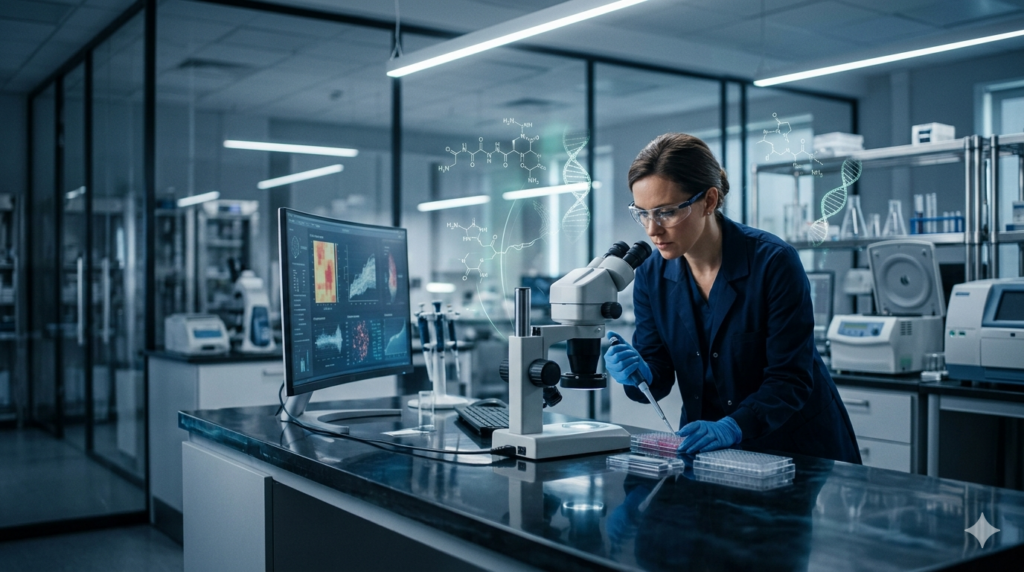
Recovery biology is one of the most actively researched areas in modern science. Understanding how the body repairs damaged tissue, responds to injury, and restores normal cellular function has implications across multiple fields. Within this space, TB-500 has emerged as a compound that researchers keep coming back to, and for good reason.
This article looks at what TB-500 is, why it has become a subject of serious scientific interest, and what researchers should know before incorporating it into their work.
What Is TB-500 and Where Does It Come From?
TB-500 is a synthetic peptide derived from Thymosin Beta-4, a naturally occurring protein found in virtually every tissue in the human body. Thymosin Beta-4 is known to play a role in cell survival, migration, and differentiation, all processes that are central to how tissue repairs itself after injury.
The synthetic version, TB-500, was developed to allow researchers to study these biological mechanisms in a more controlled and reproducible way. Because it mirrors a segment of the naturally occurring protein, it offers a useful model for exploring how Thymosin Beta-4 related pathways function under different conditions.
The Core Areas of Research Interest
Tissue Repair and Cellular Migration
The most studied aspect of TB-500 in laboratory settings is its potential role in tissue repair. Research has pointed toward its ability to promote actin regulation, a process that influences how cells move and organize themselves. Actin is a protein involved in cell structure and movement, and its regulation is directly connected to how quickly and effectively tissue can repair itself.
In controlled studies, TB-500 has shown the ability to influence cell migration toward sites of damage, which is one of the earliest and most critical steps in any repair process. This makes it particularly interesting for researchers studying wound healing, connective tissue recovery, and musculoskeletal biology.
Angiogenesis and Blood Vessel Formation
Another key area of interest is angiogenesis, which refers to the formation of new blood vessels. Healthy tissue recovery depends on adequate blood supply reaching the affected area. Some laboratory findings suggest TB-500 may support this process, making it a relevant subject for studies focused on vascular biology and tissue oxygenation during recovery phases.
Researchers exploring these mechanisms can access TB 500 for Research from suppliers who provide documented, lab-grade compounds suitable for controlled scientific work.
Inflammation Modulation
A third area attracting attention is TB-500’s potential interaction with inflammatory pathways. Inflammation is a necessary part of the repair process, but excessive or prolonged inflammation can actually slow recovery and cause additional tissue damage. Early research suggests TB-500 may help modulate this balance, though these findings remain preliminary and limited to laboratory contexts.
This potential makes it a useful compound for researchers studying the regulatory mechanisms behind post-injury inflammation in cell and tissue models.
What Researchers Should Know Before Starting
Purity Is Non-Negotiable
The reliability of any peptide study depends heavily on the purity of the compound being used. Even small levels of contamination can produce misleading results and make data difficult to reproduce. Always source TB-500 with a current, third-party Certificate of Analysis that confirms purity percentage, molecular identity, and batch-specific testing.
Reconstitution and Storage Protocols
TB-500 is typically supplied in lyophilized powder form. Before use in any study, it must be reconstituted with bacteriostatic water using precise measurements. Once reconstituted, it should be refrigerated and used within a reasonable timeframe to maintain stability. Avoid exposing it to direct light or heat, and never repeatedly freeze and thaw reconstituted solution.
Keep Detailed Research Logs
Good laboratory practice means documenting everything. Record the batch number, reconstitution date, storage conditions, and all experimental observations throughout your study. This level of documentation is what separates credible research from anecdotal findings and allows your work to be properly reviewed or replicated.
For researchers who want to ensure they are working with a verified, high-purity compound, TB 500 for Research offers a documented option that meets the standards required for serious scientific investigation.
Final Thoughts
TB-500 sits at a compelling crossroads of cellular biology, tissue repair science, and inflammation research. The growing body of laboratory work around this compound reflects genuine scientific curiosity backed by early findings that merit further exploration.
For researchers entering this space, the path forward is straightforward: source carefully, handle properly, document thoroughly, and let the data guide your conclusions. The science is still developing, and careful, well-structured studies are exactly what the field needs.
Disclaimer: TB-500 is a research peptide intended solely for laboratory and in-vitro research purposes. It is not approved for human or animal use, personal consumption, or any form of therapeutic application. This article is educational in nature and does not constitute medical, legal, or professional advice. Always comply with applicable laws and institutional guidelines when working with research-grade peptides or any scientific compounds.