
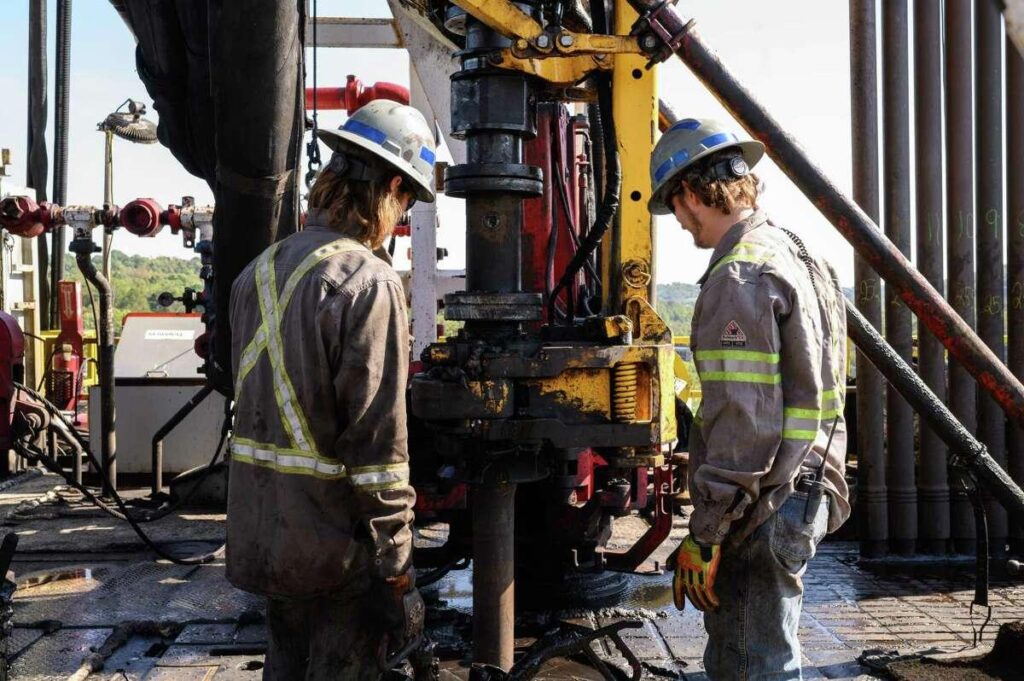
The Permian Basin stands as the heart of American energy production, but it remains one of the most hazardous workplaces in the country today. Thousands of laborers arrive in West Texas every year seeking high wages and career stability in a demanding and vital industry. However, the physical reality of the oil patch is far more intense than many recruits expect.
Drilling operations involve massive machinery, high-pressure systems, and heavy materials that require constant supervision and specialized training for every person on site. When a mistake happens in this environment, it is rarely a minor event; it is often a catastrophic failure that changes a life. The industry’s rapid pace adds another layer of volatility to daily activities.
Providing a realistic assessment of these physical risks is essential for every laborer and their family to understand the stakes. Many people ask how dangerous is oil field work before they sign their first contract and head into the field. Recognizing the inherent volatility of the patch is the first step toward maintaining personal safety.
The Fatal Four Hazards in Modern Oilfield Operations
Safety investigators often categorize the most lethal risks in the energy sector as the “Fatal Four,” which account for the majority of worksite deaths. Falls from heights are a persistent threat as workers navigate high rig floors and slippery steel platforms during their daily shifts. One slip can lead to a catastrophic drop onto hard equipment below.
Struck-by incidents involve being hit by moving objects, such as swinging pipes or failing cables that snap under extreme tension on the rig. Caught-in-between accidents occur when a laborer is trapped between rotating machinery or shifting heavy loads during a lift. These events often result in severe crush injuries that require immediate and intensive medical care.
Explosions and fires represent the most unpredictable of the fatal four, triggered by the release of pressurized gas or flammable vapors near ignition sources. The energy involved in a wellhead failure is enough to destroy an entire rig site and harm everyone within the vicinity. Managing these high-stakes hazards requires absolute precision and a zero-tolerance approach to safety.
Impact of Extreme Weather and Remote Response Times
The geography of West Texas and the Permian Basin presents unique environmental challenges that complicate the safety of every worker in the field. Extreme heat during the summer months can lead to heatstroke and exhaustion, which cloud a laborer’s judgment and slow their reaction times. Conversely, sudden winter storms create ice hazards on steel surfaces.
Remote locations often mean that the nearest Level I trauma center is several hours away from the actual drilling site by ground. When a life-threatening injury occurs, every second is critical for the victim’s survival and long-term recovery prospects. The logistical difficulty of a medevac flight can delay the life-saving interventions that a worker needs.
This geographic isolation places an immense burden on the on-site safety officers and emergency medical technicians who provide the first response. Companies must invest heavily in high-quality medical equipment and communication systems to bridge this distance gap effectively. A failure in the emergency response chain often transforms a treatable injury into a tragic fatality.
Equipment Fatigue and the Risk of Catastrophic Failure
The mechanical systems used in modern drilling are subject to extreme pressures and corrosive environments that wear down even the strongest materials. Aging rigs and pressure vessels are particularly prone to “fatigue,” where microscopic cracks eventually lead to a sudden and violent structural failure. Constant monitoring is the only way to detect these issues.
When a company delays maintenance to keep a unit in production, they are essentially gambling with the lives of their crew. Pressure relief valves and blowout preventers must be tested and certified with absolute regularity to ensure they function during a crisis. A failure in these primary safety systems is a sign of systemic neglect.
Investigating the cause of a rig collapse often reveals a history of skipped inspections or ignored warnings from the mechanical staff. Holding companies accountable for equipment fatigue is essential for driving improvements in the industry’s overall safety culture. Laborers deserve to work on machines that are maintained to the highest possible engineering standards.
Conclusion
Final thoughts on oilfield safety highlight the importance of holding companies accountable for cutting safety corners in the name of speed and profit. The high wages offered in the patch should never be seen as “hazard pay” that excuses a lack of oversight. Every worker has the right to a secure environment.
Improving safety standards requires a collaborative effort between laborers, management, and federal regulators like OSHA to ensure compliance with current laws. By speaking up about hazards and demanding better equipment, workers can help protect themselves and their colleagues from harm. Accountability is the only way to drive meaningful change in the Permian Basin.
Ultimately, the goal is to ensure that the human cost of energy production is minimized through education and strict adherence to safety. By learning from past tragedies and making informed choices, we can build a safer industry for the next generation. Safety in the field is a responsibility that every stakeholder must embrace today.